


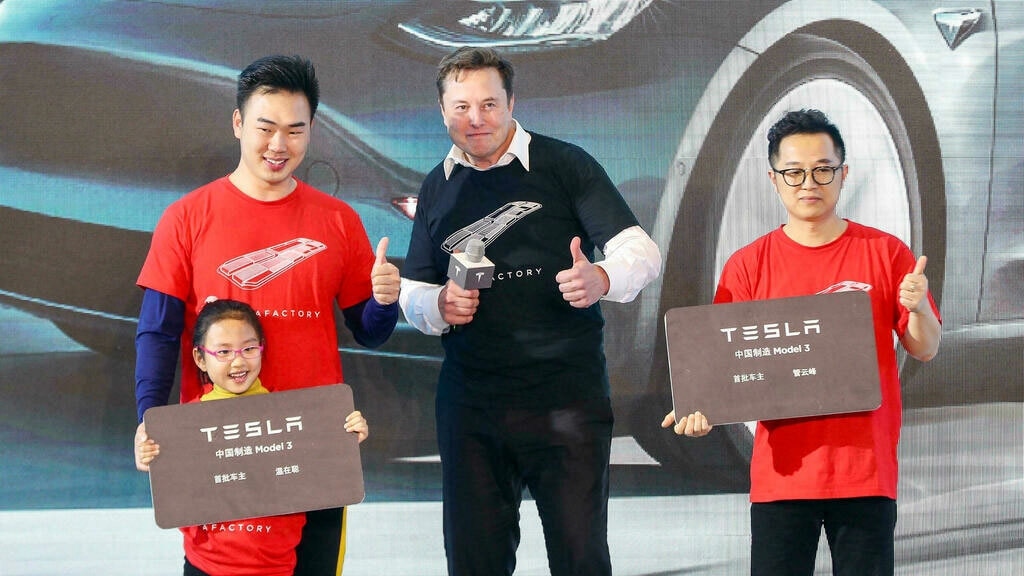
BEIJING: Chinese web users slammed billionaire Elon Musk on Tuesday after Beijing said its space station took evasive action to avoid hitting two of his SpaceX satellites, dealing a blow to the tycoon's reputation in a country that has embraced his Tesla electric cars.
China's Tiangong space station was forced to take "preventive collision avoidance control" during two "close encounters" with SpaceX's Starlink satellites in July and October, according to a document submitted to the UN's space agency by Beijing this month.
On both occasions, the satellites moved into orbits that prompted space station operators to change course, the document said. "The manoeuvre strategy was unknown and orbital errors were hard to be assessed", Beijing said of the satellite involved in the October incident, adding that it took action to "ensure the safety and lives of in-orbit astronauts".
Tiangong -- meaning "heavenly palace" -- is the latest achievement in China's drive to become a major space power, after landing a rover on Mars and sending probes to the Moon.
Its core module entered orbit earlier this year, with the station expected to be fully operational by 2022.
Chinese social media users blasted Musk and his companies over the incident, with one hashtag racking up 87 million views by Tuesday morning.
"How ironic that Chinese people buy Tesla, contributing large sums of money so Musk can launch Starlink, and then he [nearly] crashes into China's space station," one user commented.
"Prepare to boycott Tesla," said another, in a nod to a common response in China to foreign brands perceived to be acting contrary to Beijing's national interests.
Some speculated that Washington would have imposed sanctions if the roles were reversed.
"Why don't we just do what they do?" one wrote.
California-based SpaceX did not immediately respond to a request for comment.
Although Musk is widely admired in China, the reputation of Tesla -- which sells tens of thousands of vehicles in the country each month -- has faltered this year following a spate of crashes, scandals and data storage concerns.
But Tesla is still hugely popular and sells around one out of every four of its cars in the country, as well as building a rare wholly-owned factory in Shanghai.
















Comments
Comments are closed for this article.