


Iran foils sabotage attack on atomic energy agency building: state TV
- The incident comes as Tehran and world powers attempt to revive a hobbled 2015 agreement on Iran's nuclear programme in Vienna talks.
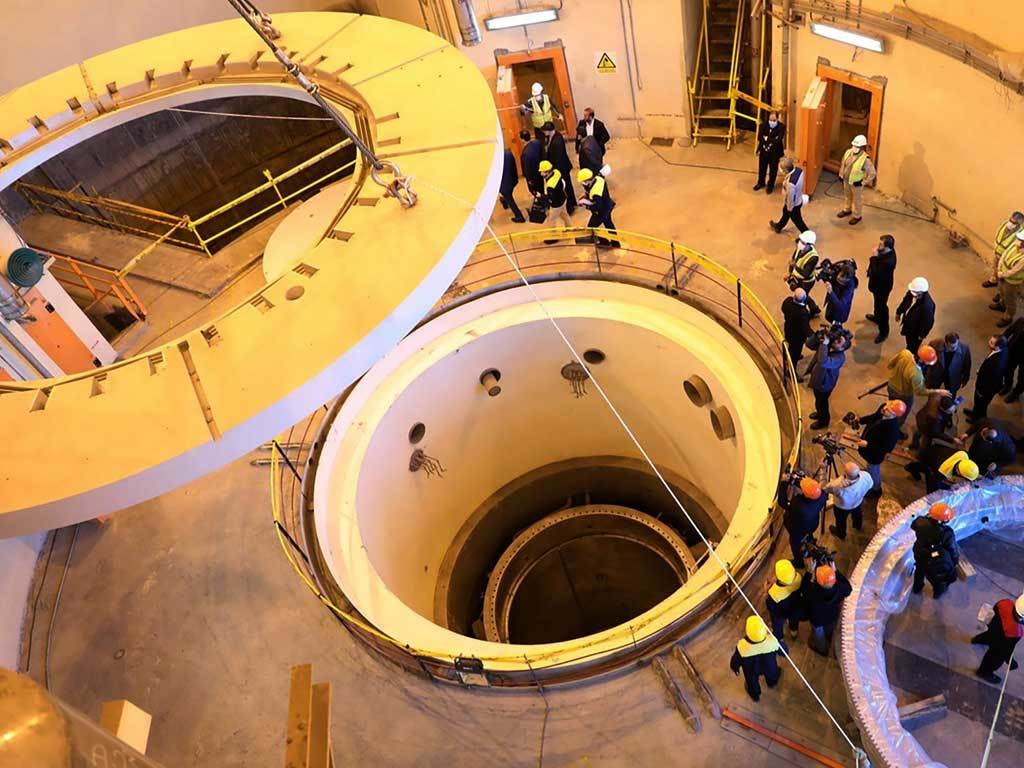
TEHRAN: Iran foiled a sabotage attack Wednesday on a building belonging to the country's atomic energy agency, state television said, adding there were no casualties or damage.
"On Wednesday morning, a sabotage operation against one of the (Atomic Energy Organization of Iran) buildings was foiled" and the attack "did not cause any damage in financial or human terms," the broadcaster said.
"The saboteurs failed to carry out their plan," it added, without giving further details on the building or the nature of the attack that had been averted.
The incident comes as Tehran and world powers attempt to revive a hobbled 2015 agreement on Iran's nuclear programme in Vienna talks.
That agreement is staunchly opposed by arch-foe Israel, which Iran accused of being behind a "small explosion" that hit its Natanz uranium enrichment plant in April.
Israel neither confirmed nor denied involvement in the blast, but public radio said it was a sabotage operation by the Mossad spy agency, citing unnamed intelligence sources.
The New York Times, quoting unnamed US and Israeli intelligence officials, said there had been "an Israeli role" in the attack.
At the time, the Iranian foreign ministry accused Israel of an act of "nuclear terrorism" aimed at scuttling the Vienna nuclear talks and vowed revenge.
Israel has always opposed the nuclear agreement, which it says could allow the Islamic republic to develop a bomb. Iran has always denied seeking nuclear weapons.
Yair Lapid, foreign minister in Israel's new coalition government, last week pledged the Jewish state "will do whatever it takes to prevent Iran obtaining a nuclear bomb" and said he was opposed to a revival of the 2015 deal.
Wednesday's sabotage attack also comes two days after Iran said it temporarily shut down its only nuclear power plant at Bushehr on the country's Gulf coast.
Officials gave conflicting accounts on an apparent regular maintenance operation at the Bushehr plant on Monday.
The Bushehr plant and its 1,000-megawatt reactor were built by Russia and officially handed over in September 2013, despite concerns over its location in an earthquake-prone area.
The 2015 nuclear deal promised Iran sanctions relief in return for limits on its nuclear programme.
The deal was torpedoed in 2018 when then US president Donald Trump unilaterally withdrew from it and reimposed punishing sanctions on Iran.
Trump's successor Joe Biden favours rejoining the accord and the remaining parties are engaged in negotiations in Vienna to try to salvage it.
The developments also come days after ultraconservative cleric Ebrahim Raisi was elected Iran's next president in an election the United States denounced as neither free nor fair.
Raisi, seen as close to supreme leader Ayatollah Ali Khamenei, who holds ultimate political power in Iran, said on Monday he would not allow the nuclear negotiations to drag on.
He is set to replace moderate President Hassan Rouhani, who has served the maximum of two consecutive four-year terms, in August.
Germany, which is a party to the nuclear talks, said on Wednesday that it believes there is a "good chance" a deal can be struck soon.
"Regarding the negotiations in Vienna, they aren't easy -- that's been clear in recent weeks," Foreign Minister Heiko Maas Maas told a joint news conference in Berlin with US Secretary of State Antony Blinken.
"Nevertheless we are moving forward step by step in every round of negotiations and we assume that in the context of the (Iranian) presidential election, there's a good chance to conclude them in the foreseeable future."


















Comments
Comments are closed for this article.