



If the Prime Minister is alarmed, it sure is time to freak out! For most part of the last decade, the country has been facing a gas crisis especially in winters when the demand spikes. As domestic consumption outstripped domestic production, the country had to rely on RLNG imports starting 2015 to meet the shortfall. However, that has not helped address the rising schism between demand and supply, and now we stand at a point that the authorities are signaling yet another crisis in the making.
All the ranks in the petroleum division are echoing massive gas deficit in the upcoming winters. The situation has gotten worse in the years so much that the government had to divert imported expensive RLNG – initially meant to for the industrial sector – to the domestic consumers. So, it is not just the domestic consumers who will face shortage, but the industrial users who have been facing constraints despite the induction of imported RLNG will bear the brunt.
Recently, the government has been trying to convince the provinces for blending RLNG and the local gas for average price mechanism as a way to work through the crisis; but has been unsuccessful so far. Article 158 of the Constitution promised priority rights to gas producing provinces, which the government believes is becoming pointless in the brewing gas crisis in the country including Sindh, KPK, and Balochistan.
It could have been better had the private sector been allowed to take advantage of the decline in RLNG spot prices, which could have provided some relief on not only the foreign exchange front, but in also mixing the comparatively less expensive gas than that procured through government’s long term contracts - for the benefit of the gas consumer. Unfortunately, private importers have not been allowed till recently to make use of idle capacity of the LNG terminals – they are only likely to get a go-ahead in the next couple of months.
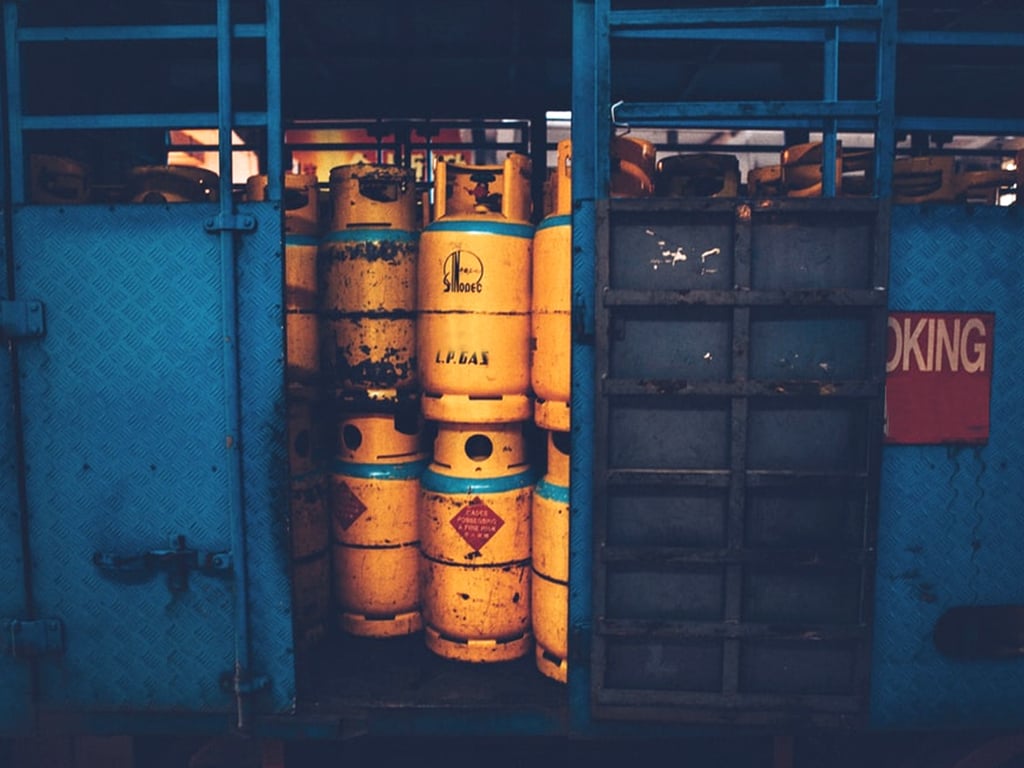
While many will be forced to used LPG in winters, the local LPG production has witnessed a blow of 300 tons per day from the system with the expiration of the contract between SSGC and JJVL. This accounted for 15 percent of the total market and is just another factor adding fuel to the building gas crisis in winters when the daily demand for LPG rises by 1000 tons per day from 2500 to 3500 tons per day.
Pakistan’s gas production stagnated at around four billion cubic feet per day for long and then it started going down. With no major discoveries in the last 20 years, no significant gas reserves in sight and no consensus on a workable solution so far; gas consumers should brace for impact.




















Comments
Comments are closed for this article.