


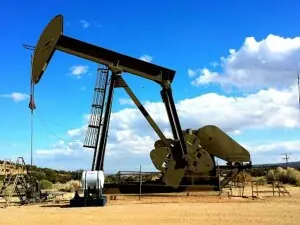
Western countries could tap their strategic oil reserves to try to rein in rising prices, as several are considering, but analysts warn it may have only a limited and temporary effect. French officials disclosed last week that Washington had proposed dipping into stockpiles, the clearest indication yet that major consuming nations may act to counter the recent surge in prices.
The comments pushed down prices but they began to climb back up on Friday as it became clear that no moves were imminent. In theory, a nation's reserves are held in case of a major international crisis like a war or a natural disaster in an oil producing area.
But with Brent crude soaring over $125 a barrel in London at the beginning of last month, levels unseen since 2008, there are increasing concerns fuel costs could damage a still fragile global recovery. Analysts doubt however that that a co-ordinated release of oil stocks by major industrialised nations, which they did during the Libya conflict last year, would have a lasting effect on prices. "A tactical use of the reserves would certainly have an impact on the market but it would be temporary because the underlying problem is an increase in demand while supply is limited by constraints on production," said Luca Baccarini at Energy Funds Advisors.
Asia's fuel-hungry economies are once more gathering steam while Western sanctions against Iran over its controversial nuclear programme are due to go into effect. Baccarini estimated the current safety margin on crude production is on the order of 1.5 million barrels per day.
"International sanctions on exports of Iranian oil will lead to a reduction of 0.5 to 1.0 million barrels per day, which will trim the amount of spare production capacity" available, he said. Saudi Arabia, which has most of the available spare capacity, has said repeatedly it is willing to boost output if necessary.
Saudi Oil Minister Ali Naimi said in the Financial Times on Thursday that the kingdom would act to bring down oil prices. Saudi Arabia "would like to see a fair and reasonable price that will not hurt the global economic recovery, especially in emerging and developing countries," the minister wrote in a column. While the market is "fundamentally balanced," Saudi Arabia "will use spare production capacity to supply the oil market with any additional required volumes," the minister said.
However Olivier Jakob at Petromatrix said so far Riyadh has not pumped out more oil. "The world needs proof of barrels, not words, and Saudi Arabia for now is delivering the latter rather than the former," he said in a market comment.
"The use of strategic stocks is supposed to be the last bullet and if Western powers are seriously envisaging this, then it only shows the lack of commitment they have received from Saudi Arabia to replace the Iranian oil that is falling under the embargo." He also noted that "while Saudi Arabia can replace some Iranian crude oil it is much more difficult to replace all the Iranian exports and will also put Saudi Arabia at a greater risk of war with Iran."
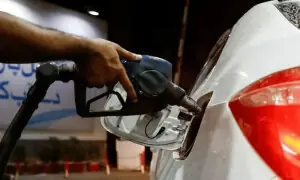
The International Energy Agency (IEA), which co-ordinates an emergency release of strategic reserves by its 28 member countries, said on Thursday that it was closely monitoring market developments. Executive Director Maria van der Hoeven noted prices at the pump have hit record highs in some countries and that the IEA "is concerned by the impact of these high prices while the global economic recovery remains fragile.






Comments
Comments are closed for this article.