


Australia central bank warns over eurozone

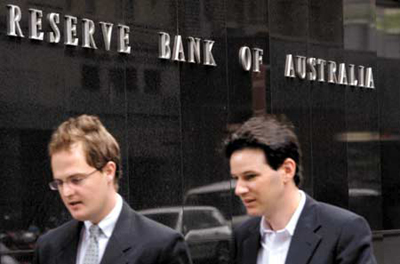 SYDNEY: Australia's deputy central bank chief Wednesday warned a major change in the troubled euro area could not be ruled out, with its debt woes escalating to create an "unfavourable" cycle with the banks.
However, Ric Battellino said that despite the ongoing crisis, Australia was well placed to avoid any massive effects because local banks were well capitalised and had low exposure to Europe.
He told banking conference in Sydney that wide divergences in interest rates paid by European banks had begun resembling pre-euro levels as concerns grew about the sustainability of debt in some countries.
"The formation of the euro area brought convergence of interest rates towards the low levels previously enjoyed only by Germany, but pre-euro relativities are now re-asserting themselves," the Reserve Bank of Australia deputy said.
"This suggests that markets are pricing in the possibility of a break-up of the euro area or a significant risk of default by some governments, or both."
A "change in the composition of the euro area" could not be ruled out, he added.
Greece's inability trouble to balance its books and the lingering fear that it could default on its huge debts have led many analyst to suggest the country could end up falling out of the euro club.
Battellino said Europe's sovereign debt problems had escalated in recent months, creating an "unfavourable feedback loop" between government debt, the banking sector and broader global economy.
A succession of measures had been announced to counter the problem, each offering only limited relief, and Battellino said most commentators saw greater fiscal coordination and discipline as key in the long-term.
In the short-term, he said it was "highly likely that part of the solution will involve substantial financial assistance from outside the region or the purchase of sovereign debt by the (European Central Bank), or some combination of both."
"It remains to be seen whether the latest measures will be more successful," he said.
On Friday, 26 of the 27 European Union member states agreed to back a Franco-German drive for tighter budget policing in a bid to save the embattled single currency.
Britain's decision not to join prevented leaders from making crucial treaty changes, but the other 26 states signalled their willingness to join a "new fiscal compact" imposing tougher budget rules.
Battellino said Europe's banks and others with exposures to the region had been hard hit by the sovereign debt issues, leaving them with valuation losses which have raised questions about their own financial soundness.
But he said that Australian banks' exposure to the euro area was small, with claims on the troubled region accounting for just 2.7 percent of total assets and strong domestic inflows of deposits meaning they were relatively shielded.
"I remain confident that Australia, with its strong government finances, resilient banking system, relatively low exposures to the troubled countries and strong links to the dynamic Asian region, is well placed to deal with events that may unfold," he added, according to Dow Jones Newswires.




















Comments
Comments are closed for this article.