



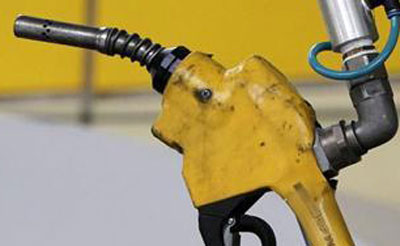
 BEIJING: An abrupt surge in Chinese gasoline imports in the first two months of the year is most likely the result of traders storing the fuel as a trading play rather than a legitimate uptick in China's need for automotive fuel, traders said.
China's customs data recorded imports of 114,292 tonnes of gasoline in February that followed January imports of 84,485 tonnes, or about 1.7 million barrels combined for both months.
The February imports were the largest intake of the motor fuel into China since 2008, when the country was ramping up supply for the Olympic Games that summer.
China typically does not import gasoline. The country, the world's second-largest oil user, took in the fuel in only seven months from 2010 to the end of 2015.
China traditionally has been self-sufficient in gasoline, used almost exclusively in automobiles, due to its low demand relative to diesel fuel, crucial for transporting goods and for the construction and farming industries.
Instead, the reported January-February imports were most likely cargoes moved into tax-bonded storage tanks for trading purposes but counted by customs as imports, according to four traders with Chinese state oil firms.
"Imports could barely have worked.
(They) look like shipments trying to capture the margins in a contango market," said one Beijing-based gasoline trader with a state-owned firm.
A contango market is one where the price for prompt supply of a fuel is less than for later-arriving shipments. The contango now is about $2 per barrel between April to June, according to gasoline swaps data from brokers.
Traders can book profits by storing fuel and reselling it later at a higher price.
Chinese duties also limit the ability to import with a consumption tax plus a 17 percent value-added tax likely killing the economics, Chinese gasoline traders said.
The customs data showed the majority of the imports in January and February were from South Korea, leading market observers to conclude China had started to import the motor fuel to meet cleaner fuel standards.
However, senior traders at state refiners Sinopec Corp and PetroChina ruled out imports, adding that refiners were sufficiently equipped to produce Euro V gasoline slated to cover the whole nation from 2017.
The Euro V standard, known as China V domestically, has been enacted in 11 major Chinese cities since the start of 2016.
According to an explanatory note at its official website, China's General Administration of Customs counts goods in transfer at bonded storage sites as imports or exports.
The customs office that provides monthly oil trade data declined to specify under which form of trade these gasoline shipments were recorded.
One of the firms involved in storing gasoline in bonded tanks for re-export is a Sinopec trading unit based in Hong Kong that operates a 12.6 million barrel tank farm at the port of Yangpu on Hainan island, said two sources with knowledge of the storage facility.
The Sinopec unit, which operates independently from the state firm's main trading vehicle Unipec, has moved gasoline cargoes early this year into the Yangpu site, which started operations in 2013, the two sources said.
Sinopec's press office said the company does not comment on operational matters.
























Comments
Comments are closed for this article.