



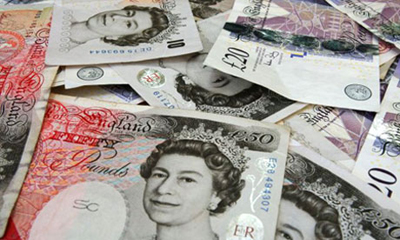
 LONDON: Sterling hovered near two-month highs against the dollar on Monday, buoyed by an election that produced a Conservative majority, with the focus turning to economic data and when the Bank of England might hint when it will lift interest rates.
BoE's monetary policy committee kept rates steady as expected on Monday at the record low of 0.5 percent.
It issued no statement but Governor Mark Carney is due to give a quarterly update on forecasts for growth and inflation on Wednesday.
Expectations are growing that the BoE will remind markets that next move is likely to be a rate hike, despite subdued prices, given an economic rebound. Wages and a jobs report are also due this week, all of which should keep sterling well bid, especially against the euro, traders said.
Sterling was up 0.1 percent against the dollar at $1.5479, having jumped 1.4 percent on Friday after Britain's May 7 election delivered a surprisingly clear verdict for the business-friendly Conservative Party. It hit a two-month high of $1.5523 on Friday.
The pound was also firmer against the euro.
The single currency was down 0.6 percent at 72.09 pence. The euro was also pegged back by worries over Greece, which faces the risk of defaulting on debt repayments.
For Britain, investors had for months fretted about no party scoring a majority, a result which would have led to weeks of negotiations before a coalition government could be formed and would have left the pound vulnerable. With that risk gone, sterling is likely to stay buoyant. "Now that those ongoing election risks are finally out of the way, it is time for investors to begin concentrating on the economic aspects," FXTM chief market analyst, Jameel Ahmad, said.
"The fundamentals remain strong, but sterling/dollar is clearly finding it tough to surpass $1.55."
Part of the reason for investors to stay cautious is because many are now anticipating political and constitutional challenges that have the potential to inflict damage on the British economy and assets.
Prime Minister David Cameron has pledged to hold a referendum on membership of the European Union within two years, while the Scottish National Party's election landslide north of the border may hasten another vote on independence there.
"I definitely think the EU referendum coverage over the weekend in the press, along with the comments from Alex Salmond on the issue of another Scottish referendum, will weigh," BNY Mellon's head of currency strategy, Simon Derrick, said.
"That said, unless there are any major surprises, i.e. signs of an early referendum, I think this will prove a relatively short-lived phenomenon and that sterling strength against the euro will reassert itself."

























Comments
Comments are closed for this article.