



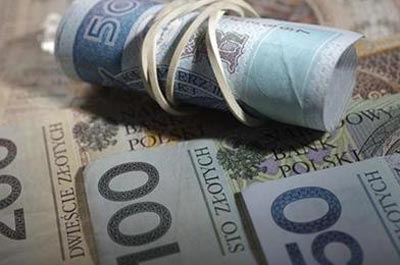
 BUDAPEST/ZAGREB: Poland's zloty firmed slightly on Tuesday as its increased volatility following a surge in the Swiss franc reduces the odds of a central bank interest rate cut.
Poland sees a need for measures to cut the costs of the franc's rise to borrowers. Croatia announced late on Monday that it would fix the exchange rate of its kuna against the franc for one year.
Hungarians also hold a large amount of Swiss franc loans but most of them were converted into forints at an exchange rate fixed late last year.
The Hungarian forint firmed a third of a percentage point against the euro by 0939 GMT. The zloty firmed a shade to 4.33 but remained near lows beyond 4.36 hit last week after the Swiss central bank scrapped its cap against the euro.
PKO BP said in a note that the zloty's swings would deter rate setters at the Polish central bank from cutting interest rates to ward off deflation risks.
"They may postpone their possible decision to adjust monetary policy, which may make it even harder to predict how the MPC (Monetary Policy Council) will behave in the next months," PKO BP said in a note.
Analysts expect a slight pick-up in December Polish employment and wages data due at 1300 GMT and that would also be an argument for not reducing interest rates.
Croatia's kuna eased slightly to 7.699 against the euro.
Its planned fixing against the Swiss franc will cut the risk of additional foreign currency demand and a rise in franc loan defaults, Hypo Alpe Adria Bank said in a note
"(But a) lack of details (about the plan) leads to higher market volatility," it added.
Many borrowers in central Europe took out franc mortgages to capitalise on low Swiss interest rates before the 2008 global crisis, only to lose out when the crisis hit and local currencies eased against the franc.
Croatia earlier enforced lower interest rates on Swiss franc loans but announced further measures after the region's currencies, which usually track the euro, plunged by about 20 percent last week due to the Swiss central bank's move.
One dealer also blamed Tuesday's minor weakening of the kuna to increased corporate demand for the euro, which is normal in the first quarter of the year.
"The central bank will certainly intervene in case of any major pressures on the kuna rate against the euro, so I do not expect significant rate changes," the dealer added.




















Comments
Comments are closed for this article.