



 SINGAPORE: Investors ramped up long positions in the Chinese yuan to their highest level in more than three months as bullish bets on most emerging Asian currencies increased after the US Federal Reserve unexpectedly maintained its monetary stimulus.
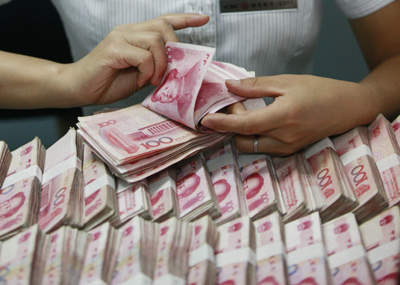
Bets on further appreciation of the renminbi hit their highest since early June over the last two weeks, a Reuters poll showed on Thursday, amid speculation that Beijing is preparing the ground work for a widening of the currency's trading band.
Long positions in the South Korean won increased to an eight-month peak. The currency earlier this week rose to its strongest since January on sustained capital inflows and exporters' demand.
The poll also showed a significant shift in expectations for Asia's two worst performing currencies this year -- the Indonesian rupiah and the Indian rupee.
Bearish positions in the rupiah nearly halved as the Indonesian government sought more bilateral currency swaps to bolster the currency, which has slumped nearly 17 percent against the US dollar so far this year.
The central bank also allowed its indicative prices to match dealt levels, increasing dollar liquidity, traders said, although sustained dollar demand from local companies pushed it to a 4-1/2-year low this week.
Sentiment toward the Indian rupee, meanwhile, turned almost neutral as capital inflows supported the currency, although the central bank's unexpected rate hike on Friday limited its upside. The rupee has recently pulled away from record lows hit in August, but remains down 12 percent so far this year.
Sentiment for the Singapore dollar became the most optimistic since early November 2012. The city-state's currency found support as investors covered short positions.
Long positions in the Philippine peso hit the largest levels in more than four months, while sentiment on the Malaysian ringgit turned bullish for the first time since late May.
Last week, the Fed surprised global markets by postponing the start of reductions to its monetary stimulus, prompting capital inflows to emerging Asia.
The Reuters survey is focused on what analysts believe are the current market positions in nine Asian emerging market currencies: Chinese yuan, South Korean won, Singapore dollar, Indonesian rupiah, Taiwan dollar, Indian rupee, Philippine peso, Malaysian ringgit and the Thai baht.
The poll uses estimates of net long or short positions on a scale of minus 3 to plus 3.


























Comments
Comments are closed for this article.