



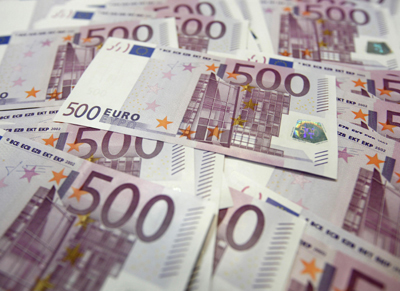
 LONDON: A slew of private placement deals for Turkish banks in recent weeks could mean that the lenders eschew the Eurobond market altogether in the near future, a debt capital markets originator said.
Turkey's largest bank by market capitalisation, Garanti Bank , has raised $900 million through private placements since April this year, while Vakif bank raised $400 million in July alone.
Others such as Yapi Kredi are looking to set up medium-term note programmes that will allow them to issue private placements, while Isbank has also begun to sell deals, with transactions in US dollars and Swiss francs.
"Every week we are printing private placements (to raise) hundreds of millions of dollars. It shows that whatever is needed in the bond market can be done through private placements they can replace Eurobonds," the banker said.
This will help the banks achieve their funding needs, and means they don't need to consider Eurobond issuance at a time when the appetite for Turkish risk is low.
Eurobond investors are bearish on Turkey because of concerns over the country's economy, its currency and the risk that military action in neighbouring Syria may spill over, he said.
Garanti Bank's 5.25 percent 2022 note, for example, has fallen six points over the last month to a cash price of 85.3 last Friday, according to Tradeweb data. In total, the note has fallen a whopping 21 points since the beginning of June.
This makes public issuance difficult for Turkey's banks. Instead, private placements are an option for the better-graded names. The placements have been a favourite hunting ground for Gulf banks too such as National Bank of Abu Dhabi and Emirates NBD as well as for some South African names.
The deals tend to have short tenors of three to six months and the deal sizes are typically small; but added up together they become a reasonable amount.
Institutional demand from Asia, Europe and even Switzerland is providing a growing buyer base for Turkey's lenders, the banker said.
"There is a host of different investors who are interested in these deals, (including) asset managers, insurance companies, money market funds in Asia, Europe and even Switzerland on the money market side," he said.
This provides a good short-term solution for Turkish banks, and will also help reduce their dependence on international bond markets in the long term, he added.















Comments
Comments are closed for this article.