

OPINION: The perils of premature easing: can SBP hold the line?

The State Bank of Pakistan’s (SBP’s) Monetary Policy Committee gathers today under familiar pressures. Markets anticipate another rate cut, evident in softening secondary yields, tepid bond auction outcomes, and pointed surveys.
Whispers suggest a 75 basis-point reduction, nudging the policy rate below 10 percent from 10.5 percent. Government entreaties intensify, while the IMF maintains a studied detachment.
Given subdued inflation prospects and currency stability, a 50 to 100 basis-point adjustment appears benign. It is unlikely to spur investment or strain the external accounts, offering chiefly a political headline of single-digit rates.
Yet risks are mounting, potentially strengthening the case for hawkish restraint. Surging gold prices and oil trading near 65 dollars per barrel signal escalating geopolitical tensions. Preserving the status quo increasingly appears the more judicious path.
The pivotal question extends beyond today’s decision: what constitutes the sustainable floor? Early indicators of growth revival are unmistakable. Over the past 18 months, rates have been halved and are now bearing fruit.
November’s Large Scale Manufacturing index expanded by 10.4 percent, the strongest reading since June 2022.
Growth during the first five months of FY26 reached 6.0 percent, while December power generation rose 9 percent year-on-year. This momentum should persist, as monetary easing transmits over a 6 to 12 month lag.
SBP must internalize this delay and safeguard positive real rates. Once current account deterioration begins, it accelerates inexorably toward crisis.
Excessive easing may inflate demand but fails to revive investment, which remains at multi-decade lows amid unresolved energy pricing and taxation distortions that demand structural redress.
Eroding real rates to zero, or into negative territory, threatens external balances and currency stability. Pakistan’s 10-year yield spread over US Treasuries already sits well below its 20-year average. Narrowing differentials heighten balance of payments vulnerabilities, especially as the rupee has remained broadly static for two years while export competitors continue to depreciate against the dollar.
Current optimism, buoyed by favourable geopolitics, is fuelling market exuberance. Yet sustainable dividends hinge on macroeconomic continuity. SBP cannot precisely identify the inflection point where growth begins to undermine stability, a luxury Pakistan cannot afford.
Industrialists consistently cite energy costs and taxes, not interest rates, as their primary constraints. Further rate cuts merely reduce the cost of shifting savings into gold or dollars.
READ MORE: Businessmen underscore need for further cut in interest rate
SBP’s communication strategy therefore matters. It must reassure markets that rupee liquidity will remain attractive. If the central bank opts for a 50 to 100 basis-point cut, it should clearly signal a six-month observational pause, especially with upcoming budgets in view. The twin pillars of fiscal primary surplus and positive real interest rates have underpinned recent stability.
Meanwhile, growth concerns in key economic centres are driving arguments for tax cuts and fiscal stimulus next year, raising the risk of expansionary drift. SBP must counterbalance this by maintaining firmly positive real rates. Simultaneous monetary and fiscal stimulus would be a recipe for instability.
At this juncture, SBP should define and commit to a policy rate floor of 9 to 10 percent, consistent with 6 to 7 percent inflation over the next 12 months, and hold that line for at least six months as data evolves. Any modest cut should be followed by an immediate pause.
Were BR Research invited to the committee table, it would advocate no change, given the recent spike in oil and gold prices. History offers a clear warning. Premature easing in fragile economies sows the seeds of external crises and erodes hard-won stability.
Pakistan stands at such a precipice. Yield to the cut, and the ghosts of past defaults may begin to stir once again.
Copyright Business Recorder, 2026
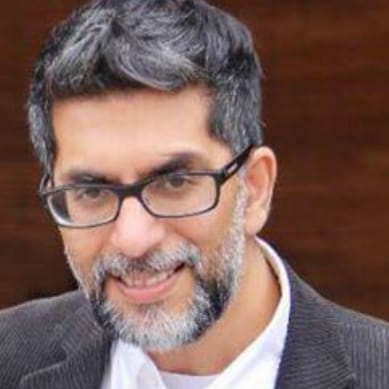
Ali Khizar is the Director of Research at Business Recorder. His Twitter handle is @AliKhizar