


Pandemic taking toll on weather and climate watch: UN
- The World Meteorological Organization cautioned that measurements taken from aircraft had declined dramatically during the crisis, by an average of 75-80 percent.
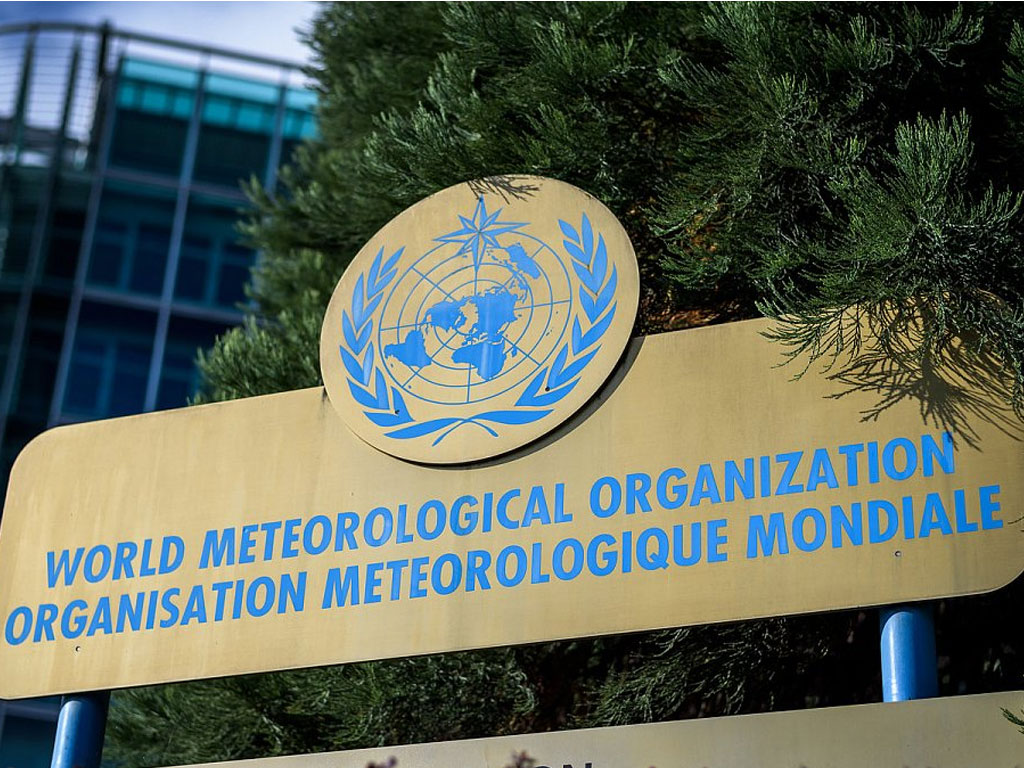
GENEVA: Meteorological measurements have plummeted amid the COVID-19 pandemic, the UN said Thursday, warning of the impact on weather forecasts and climate and atmospheric monitoring used to predict natural disasters.
The World Meteorological Organization cautioned that measurements taken from aircraft had declined dramatically during the crisis, by an average of 75-80 percent.
The WMO said its Aircraft Meteorological Data Relay programme, which uses sensors on board commercial flights and other aircraft, usually produce more than 800,000 high-quality observations per day, including of air temperature and wind speed, along with temporal information.
But the novel coronavirus pandemic, which has killed more than 260,000 people globally, has taken a heavy toll on the airline industry as lockdown measures and travel restrictions have grounded flights worldwide.
The United Nations agency said some regions were hit harder than others, with the southern hemisphere showing a loss of aircraft-based meteorological observations of closer to 90 percent.
At the same time, surface-based weather observations have also declined, especially in Africa and parts of Central and South America where many stations are run manually.
This is worrying, WMO said, pointing out that the data usually compiled by its Global Observing System provides vital observations used for the preparation of weather analyses, forecasts, advisories and warnings.
"The impacts of climate change and growing amount of weather-related disasters continue," WMO chief Petteri Taalas said in a statement.
He pointed to Cyclone Harold, which last month left a trail of destruction across four South Pacific island nations and claimed more than two dozen lives.
"As we approach the Atlantic hurricane season, the COVID-19 pandemic poses an additional challenge," Taalas said, stressing it was "essential that governments pay attention to their national early warning and weather observing capacities."
WMO said that much of the global observation system, using satellites and ground-based networks, were either partly or fully automated, and was therefore expected to continue functioning "without significant degradation for several weeks".
But it warned that if the pandemic drags on, "missing repair, maintenance and supply work and missing redeployments will become of increasing concern".



















Comments
Comments are closed for this article.