


Japan to issue 2.2trn yen bonds to offset trade war's hit on tax revenues

- The government will tap some additional 1.5 trillion yen from its fiscal investment and loan programme.
- The amount of extra budget spending was much smaller than the 10 trillion yen that was first floated by ruling party lawmakers last month.
- The extra budget will be compiled along with an annual budget for the year starting in April 2020.
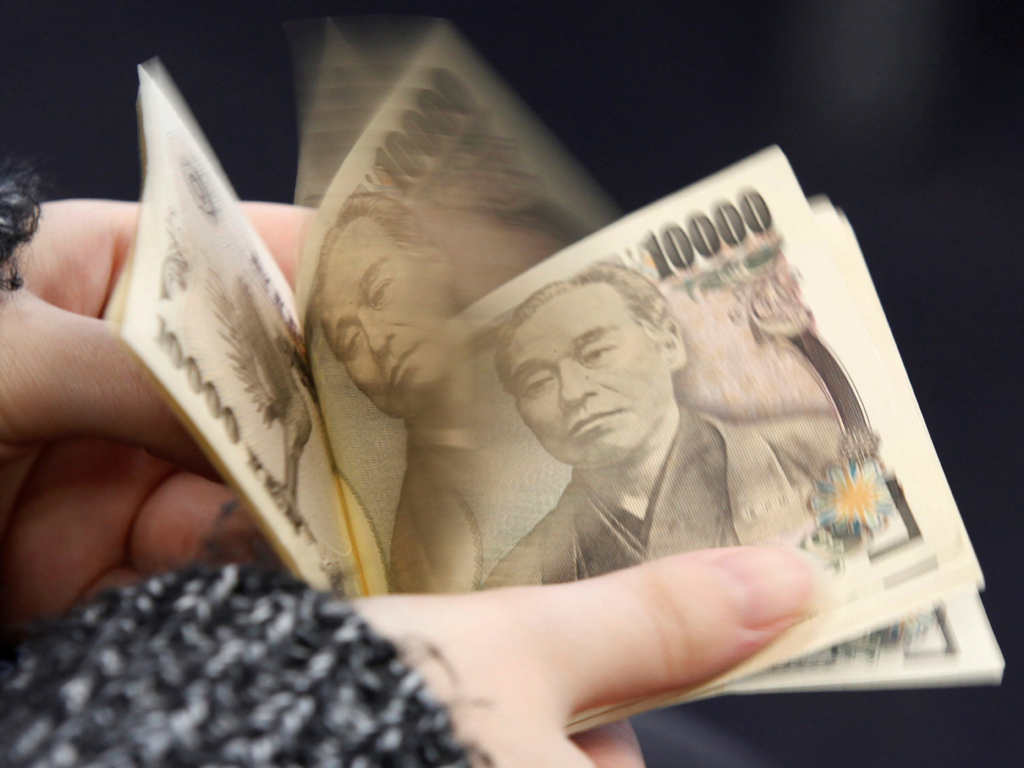 TOKYO: Japan's government will issue an additional 2.2 trillion yen ($20.25 billion) of deficit-financing bonds to make up for a tax revenue shortfall, Finance Minister Taro Aso said, after the cabinet approved on Friday an extra budget for the fiscal year ending March 2020.
The extra budget will be compiled along with an annual budget for the year starting in April 2020, and sent to parliament for approval early next year.
It is the first time that the government has resorted to issuing extra deficit financing bonds since 2016, and shows how Prime Minister Shinzo Abe is struggling to balance the budget, a target he has already pushed back by five years to March 2026.
The government's difficulties raising revenue and trimming debt issuance will further cloud the outlook for the "Abenomics" stimulus policy mix of bold monetary easing, flexible spending and structural reform.
Finance ministry officials said the government will slash the tax income estimate for the current fiscal year by 2.3 trillion yen from its initial target of 62.5 trillion yen as a slump in exports amid the Sino-U.S. trade war has hit revenues.
Aside from the 2.2 trillion yen of additional deficit-covering bonds, the government will also issue additional construction bonds worth about 2.2 trillion yen to finance infrastructure spending.
The extra budget features additional fiscal spending worth about 4.5 trillion yen, the bulk of which will be spent, along with next fiscal year's annual budget, to fund the stimulus spending of 13.2 trillion yen the cabinet adopted last week, the officials said.
The spending package was aimed at funding disaster recovery, countering downside economic risks and sustaining a fragile economy beyond the 2020, Tokyo Olympics.
In addition, the government will tap some additional 1.5 trillion yen from its fiscal investment and loan programme, taking advantage of low borrowing costs under the Bank of Japan's negative interest rate policy.
The amount of extra budget spending was much smaller than the 10 trillion yen that was first floated by ruling party lawmakers last month, highlighting limited fiscal space left for policymakers.




















Comments
Comments are closed for this article.