


Portugal's Socialists tipped for re-election
- Portugal voted Sunday with Prime Minister Antonio Costa's Socialists tipped to win.
- Final opinion polls published Friday put support for the Socialist Party (PS).
- Exit poll results are expected at 8:00 pm (1900 GMT) after polling stations close.
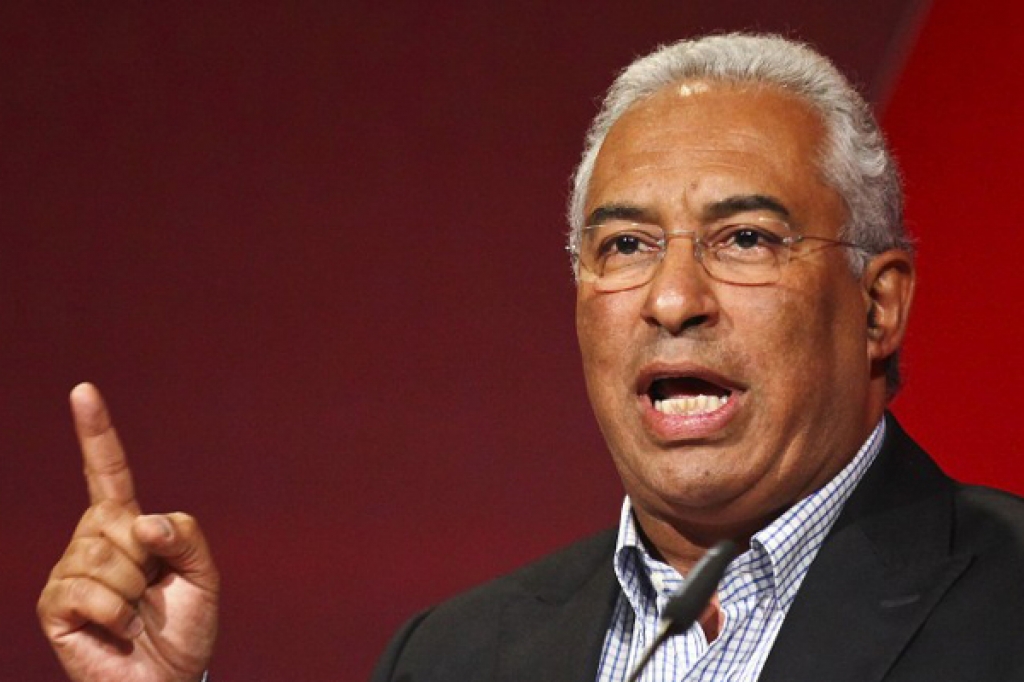 LISBON: Portugal voted Sunday with Prime Minister Antonio Costa's Socialists tipped to win a second straight term after presiding over a period of solid economic growth following years of austerity.
His likely re-election bucks the trend of declining centre-left fortunes and the rise of far-right, populist forces seen elsewhere in Europe.
Final opinion polls published Friday put support for the Socialist Party (PS) -- which has governed for the past four years with the backing in parliament of two smaller hard-left parties -- at 36-39 percent, compared to 25-30 percent for nearest rivals the centre-right Social Democrats (PSD).
If opinion polls stand up the PS would boost its numbers in Portugal's 230-seat parliament but still fall short of an absolute majority, meaning former Lisbon mayor Costa would once again need the support of at least one other party to govern.
Exit poll results are expected at 8:00 pm (1900 GMT) after polling stations close.
After coming to power in 2015, Costa, 58, undid some of the unpopular austerity measures introduced by the previous PSD-led government in return for a 78-billion-euro ($85 billion) international bailout that kept finances afloat after Portugal was clobbered by the eurozone debt crisis.
Taking advantage of the global economic recovery, he reversed cuts to public sector wages and pensions while still managing to bring the budget deficit down to nearly zero this year -- the lowest level since Portugal's return to democracy in 1974.
On his watch Portugal's economic growth was higher than the European union average in recent years -- 2.4 percent in 2018 -- while the jobless rate fell to the level before the debt crisis but critics complain of low salaries and soaring property prices amid a tourism boom.
'Breathe easier now'
"We came out of a very difficult period, with very high taxes. It's clear that we breathe easier now," said 65-year-old university professor Ana Maria Varela after voting at a central Lisbon polling station.
Retired municipal worker Antonio Tavares, 76, said he voted for the Socialists because the government raised pensions by 50-100 euros ($55-110) per month.
"It's not a lot, it should be more, but that allows one to live more comfortably," he said.
Voter turnout at noon stood at 18.83 percent, down from 20.65 percent in the last election, according to the interior ministry.
Costa urged people to turn out to vote as he cast his ballot in Lisbon, saying "every vote counts".
During a final campaign appearance on Friday he said a "strong PS" was needed to "guarantee four more years of stability".
His main adversary, PSD leader Rui Rio, has railed against high taxes and inadequate public investment that have hurt public services, but he appears to have accepted defeat.
"It would be nice to be able to say that I am almost sure to win, but it is not the case," told TSF radio on Friday.
New ally?
Rio has managed to reduce the margin separating the PSD and the PS in recent weeks, especially after a scandal concerning former defence minister Jose Azeredo Lopes resurfaced.
Lopes was charged last week with abuse of power and denial of justice over his role in the alleged cover-up of an arms theft from a military depot two years ago.
The tensions of the campaign appeared to be getting to the normally affable outgoing premier.
When an elderly voter falsely accused Costa during a campaign appearance in Lisbon on Friday of having been on holiday during deadly wildfires in central Portugal in June 2017, he lost his temper and called the man a liar, in video images that quickly went viral.
The election could give Costa another potential government ally in addition to the Left Bloc and Communists that propped up his previous government as polls suggest the upstart People-Animals-Nature party (PAN) could capture up to four percent of the vote.
"The most probable outcome is a Socialist party minority government with support from radical left parties or, less likely, the small environmentalist party PAN," said Eurasia Group analyst Federico Santi.




















Comments
Comments are closed for this article.