


ASEAN, China fail to conclude South China Sea code of conduct
- South China Sea code of conduct talks between ASEAN and China conclude without agreement, extending a two-decade deadlock
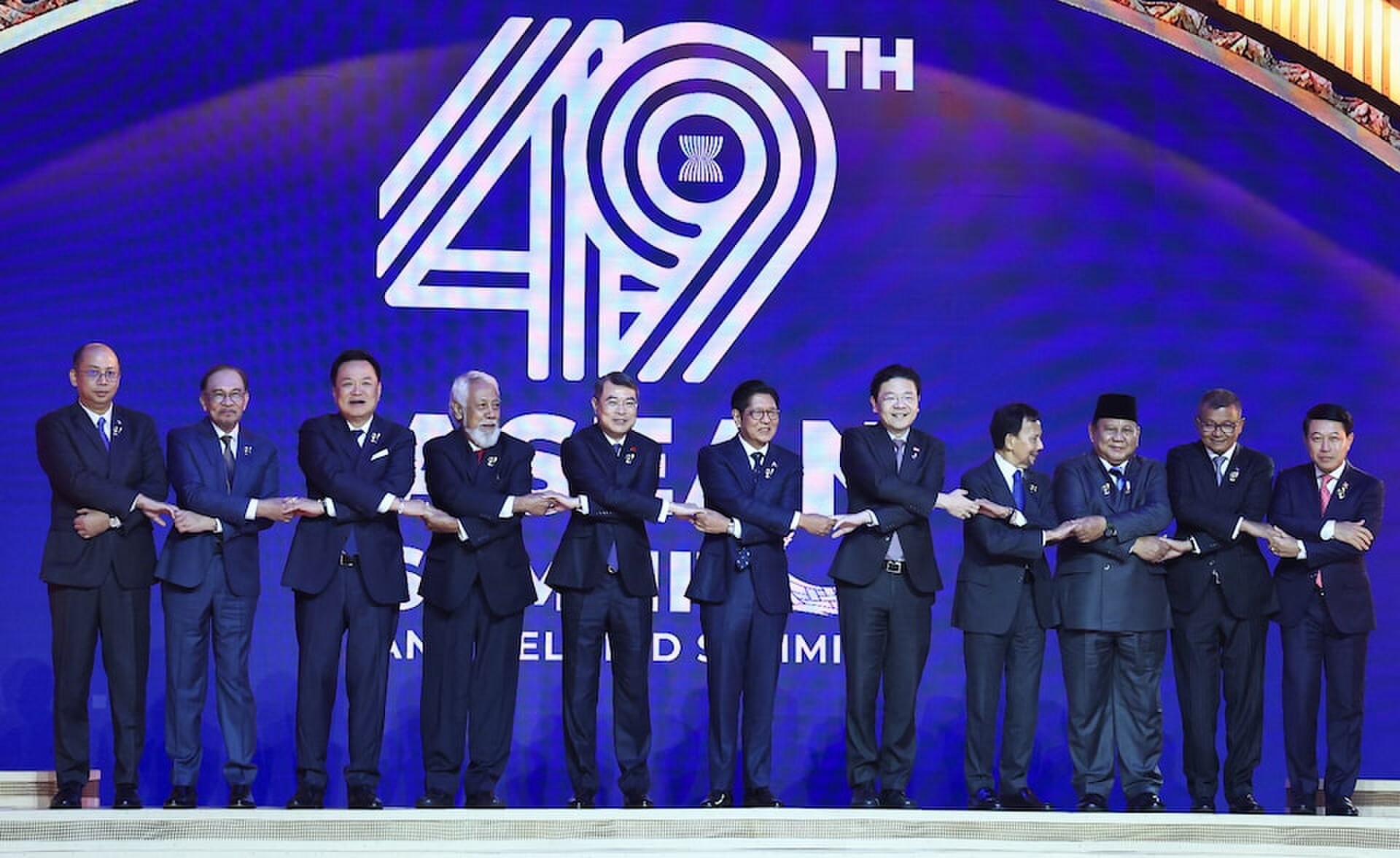
MANILA: ASEAN and China were unable to conclude negotiations on a long-delayed South China Sea code of conduct under the Philippines’ chairmanship, despite reaching provisional agreement on about 80% of the draft, Manila’s foreign minister said on Sunday.
Negotiations on an ASEAN-China Code of Conduct in the South China Sea have dragged on for over two decades, but the Philippines, as current chair, had committed to speed up those talks and conclude the code this year.
“There is no conclusion yet,” Philippine foreign minister Ma. Theresa Lazaro told a press conferenceat a summit of the 11-member Association of Southeast Asian Nations in Manila, adding that several key issues remain unresolved, including questions over whether the code would be legally binding.
“The ASEAN countries plus China have also different views on how things are,” she added.
China’s Southeast Asian neighbours want the code to be grounded in international law, which they have repeatedly accused Beijing of disregarding as it asserts its sovereignty over nearly all of the South China Sea.
Beijing maintains that its actions in the South China Sea have been lawful and professional.
Overlapping maritime claims
China’s extensive maritime claims overlap with the exclusive economic zones of Brunei, Indonesia, Malaysia, the Philippines and Vietnam, making a functional code essential to preventing any escalation of tensions and managing incidents at sea.
An international arbitration tribunal ruled in 2016 that China’s sweeping claims have no basis under international law, a decision that Beijing rejects.
Manila and Beijing have been locked in a series of maritime confrontations in recent years, with the Philippines accusing China of repeated aggressive actions inside its exclusive economic zone, including dangerous manoeuvres, water‑cannoning and disrupting resupply missions.
China, for its part, has accused the Philippines of intruding into what it claims as its territory.
ASEAN faces Myanmar dilemma as some members pursue closer ties
Analysts say the disagreements are not only between ASEAN and China.
Collin Koh, a senior fellow at Singapore’s S. Rajaratnam School of International Studies, said divisions among ASEAN members, including over the geographical scope of the code, had also slowed negotiations.
“Other than Beijing, intramural divergences within ASEAN also play a significant role,” he said.
Koh said the remaining differences would be difficult to resolve and would require “major concessions” from the various parties.
Singapore will inherit the task of trying to secure agreement on the code of conduct when it assumes the ASEAN chairmanship next year.






















Comments