


Asia Pacific’s ageing population faces rising chronic disease crisis as experts call for early action
- Discussions explored how countries could redesign existing systems to respond to the realities of longer lives
Asia Pacific's aging population faces a chronic disease crisis, demanding a healthcare shift towards prevention and early diagnosis. This ensures longer lives are healthier, addressing the widening gap between life expectancy and healthy years.
- Asia's increasing stroke burden and its future projections.
- The significant economic cost of chronic diseases and lost productivity.
- The growing disparity between lifespan and healthy life expectancy.
- Key strategies for a preventive, collaborative healthcare future.
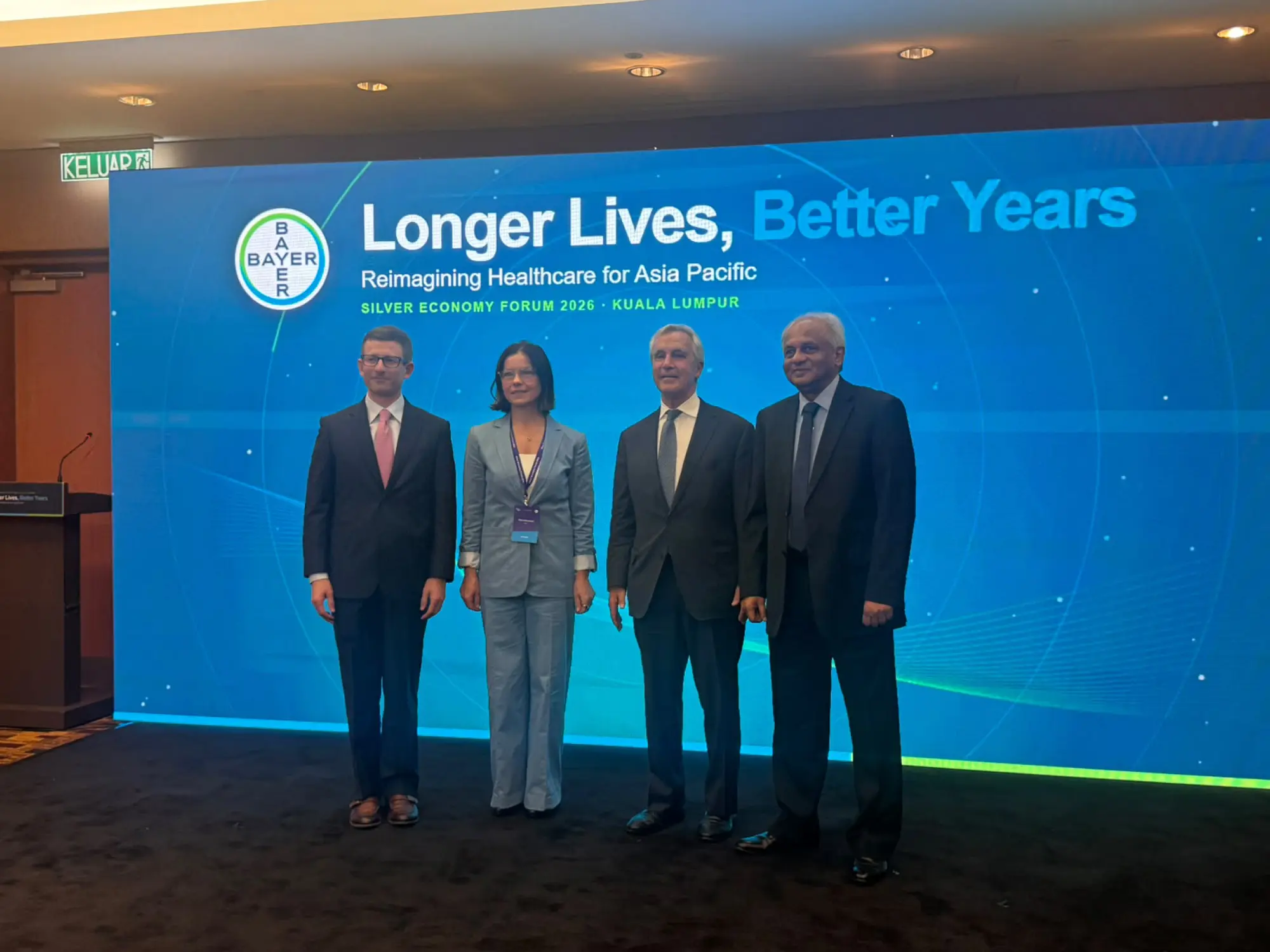
KUALA LUMPUR: With nearly 1.3 billion people in the region expected to be aged over 60 by 2050, health experts warn that longer life expectancy must be matched by stronger prevention, earlier diagnosis and better treatment.
Asia Pacific may be living longer than ever before. Still, a growing burden of chronic diseases is raising concerns over whether people will remain healthy enough to enjoy those additional years.
Cardiovascular disease, stroke, diabetes and cancer are placing increasing pressure on healthcare systems, families and national economies, prompting experts to call for a fundamental shift towards prevention, early diagnosis and more sustainable approaches to healthcare.
The urgency is particularly evident in the region’s stroke burden. Asia accounted for approximately 61% of global stroke deaths in 2020, representing around 4.1 million lives lost.
Without stronger preventive measures, that proportion could rise to 69 %, or approximately 6.6 million deaths annually, by 2050.
Asia accounted for approximately 61% of global stroke deaths in 2020, representing around 4.1 million lives lost.
Bayer called for a shift in healthcare priorities during Longer Lives, Better Years: Reimagining Healthcare for Asia Pacific, a media event organised by Bayer alongside the Silver Economy Forum 2026 at the Kuala Lumpur Convention Centre.
Speaking at Bayer’s media event, Simon Rosof, Head of Asia Pacific Region at Bayer Pharmaceuticals, said the region’s rapid demographic transformation required healthcare systems to move beyond treating diseases only after they had become serious.
“Asia Pacific is going through one of the fastest demographic shifts in the world. We need to make sure that longer lives are also healthier lives,” he said.
The growing gap between living longer and living healthier
While rising life expectancy is a significant achievement, experts say it does not necessarily translate into more years spent in good health.
Research published in The Lancet Public Health in July 2026 found that people worldwide now spend an average of 10.7 years in poor health, compared with 8.8 years in 1990.
The findings highlight a widening gap between life expectancy and healthy life expectancy, suggesting that millions of people are spending an increasing proportion of their later years managing illness and disability.
Across Asia Pacific, people reaching the age of 60 can expect to spend almost five years of their remaining lives dealing with disease and disability.
Heart disease, stroke, diabetes and cancer account for nearly nine in 10 deaths in the Western Pacific Region, with many of the underlying risk factors developing silently over several years.
Malaysia provides a telling example. The National Health and Morbidity Survey 2023 found that approximately one in three adults has high cholesterol, with more than half of those affected unaware of their condition.
Dr Maria Borentain, Global Vice President and Head of Cardiovascular and Renal Clinical Development at Bayer, said the real challenge of an ageing society was not simply extending lifespan but ensuring people remained healthy and independent for longer.
“Every year we diagnose heart disease, kidney disease or diabetes earlier, and every stroke we prevent, is a year someone stays at work, at home and out of hospital,” she said.
Research published in The Lancet Public Health in July 2026 found that people worldwide now spend an average of 10.7 years in poor health, compared with 8.8 years in 1990.
Among the conditions highlighted at the event, stroke stands out as one of the most pressing public health challenges facing Asia.
One in four adults worldwide is expected to experience a stroke during their lifetime, while high blood pressure remains the leading risk factor across Asia, followed by diabetes.
Meanwhile, the consequences extend well beyond older populations.
In Malaysia, approximately 40% of stroke patients are under the age of 60, meaning many are still working, supporting families and contributing to the economy when the condition strikes.
Stroke survivors face a significant risk of experiencing another stroke, with an estimated 10% to 16%suffering a recurrence within a year.
The economic case for healthy ageing
The discussions at Silver Economy Forum 2026 underscored that the challenges of ageing extend far beyond hospitals and healthcare budgets.
As populations grow older and birth rates decline, countries across Asia are confronting questions about workforce participation, retirement security, pension sustainability and the long-term affordability of care.
The economic cost of delayed action is already considerable.
Stroke alone is estimated to cost the global economy more than $890 billion annually, with the figure projected to reach $2.31 trillion by 2050.
Specifically in Malaysia, the annual economic burden of non-communicable diseases is estimated at RM64.2 billion, equivalent to approximately 4.2% of gross domestic product.
Notably, around 80% of these costs are attributed to lost productivity rather than direct healthcare expenditure.
Michael Hodin, Chief Executive Officer of the Global Coalition on Ageing, stressed that governments must recognise healthy ageing as an investment in economic development, rather than treating it as an issue confined to healthcare budgets.
Rethinking healthcare, financial security and the future of care
Across the forum’s two-day programme, discussions explored how countries could redesign existing systems to respond to the realities of longer lives.
A recurring theme was the need to move healthcare systems away from a predominantly reactive model towards prevention throughout the life course.
Speakers highlighted the importance of collaboration between health and finance ministries to ensure that preventive programmes receive sustained investment.
The forum also examined the growing importance of the care economy, highlighting the need to connect better housing, primary healthcare, hospitals and social support services.
Beyond healthcare and finance, speakers explored how age-inclusive cities and workplaces could help sustain economic participation. Speakers identified walkable neighbourhoods, accessible transport, inclusive employment policies and technologies supporting older workers as important investments in societies preparing for longer lives.
Priorities for a healthier ageing society
To address the growing burden of chronic disease, panellists at the Bayer’s media event identified four key areas that need more attention.
First, healthcare systems must strengthen early detection through routine health checks, particularly from midlife. Monitoring blood pressure, cholesterol, blood sugar and kidney function could help identify risks before they develop into serious complications.
Second, patients already living with chronic conditions must have access to effective treatment, follow-up and continued care to keep them independent
Third, count prevention as an investment, weighing earlier diagnosis and treatment against the full cost of the chronic disease, including lost productivity and not only against health budgets.
Lastly, building it together, which means stronger collaboration is essential, where government sets the framework, the industry brings the science, and clinicians and community groups bring trust from patients.




















Comments