


Revised least-cost generation planning: LEI identifies potential economic savings of USD17bn

ISLAMABAD: The LUMS Energy Institute (LEI) has identified potential economic savings of approximately USD 17 billion through revised least-cost generation planning, while improving energy efficiency in just 25 percent of residential buildings could reduce peak electricity demand by around 3,000 megawatts (MW) and generate annual energy-cost savings of Rs 442.6 billion.
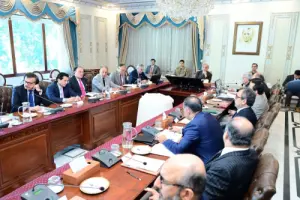
These findings were presented at the Institute’s second high-level media dialogue, titled “Pakistan’s Energy Security: A Dialogue with the Media,” held in Islamabad, where energy experts highlighted evidence-based pathways to improve electricity affordability, strengthen energy security and reduce dependence on imported fuels.
The dialogue brought together senior journalists, power-sector leadership and energy experts to examine the structural causes of Pakistan’s energy challenges and identify practical solutions through integrated system planning, energy efficiency, renewable energy integration, grid modernisation and indigenous manufacturing.
Building on LEI’s first media engagement in May 2026, the discussion focused on structural planning deficiencies, seasonal electricity demand, increasing distributed solar penetration, grid flexibility and the financial sustainability of the power sector.
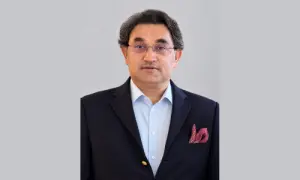
Dr Fiaz Ahmad Chaudhry, Senior Advisor at LEI, Chairman of the Board of Directors of National Grid Pakistan and Independent Director of the Independent System and Market Operator (ISMO), highlighted the Institute’s contribution to identifying critical gaps in the energy sector through evidence-based research and providing technical support to public-sector institutions for informed policymaking and integrated system planning.
He referred to LEI’s contributions to Electricity Outlook 2020 and 2022, demand forecasting tools, Grid Code 2023, Energy Conservation Building Code 2023, the Electric Vehicle Policy Framework, Sustainable Architecture and energy-sector indigenisation initiatives.
During the technical session, titled “Real Root Causes of the Energy Crisis: Data-Driven Research,” Dr Chaudhry presented research findings indicating approximately USD 17 billion in projected savings associated with revised least-cost generation planning under the Indicative Generation Capacity Expansion Plan (IGCEP) 2025–2035.
The research also underscored the considerable potential of energy efficiency in reducing electricity demand and costs. According to the findings, improving energy efficiency in only 25 percent of residential buildings could reduce peak demand by approximately 3,000MW and generate potential annual energy-cost savings of Rs 442.6 billion.
Presenting findings from LEI’s study, “The Net Zero Transition: A Pathway to Clean and Sustainable Electricity by 2040,” experts outlined a modelled pathway towards near-complete decarbonisation of Pakistan’s power sector by FY2040.
Under the proposed pathway, the share of fossil-fuel generation would decline from 49 percent in FY2024 to approximately one percent by FY2040.
The generation mix would comprise hydropower with a 47 percent share, wind 25 percent, nuclear 18 percent and solar eight percent.
The study projected approximately 78 million tonnes of avoided carbon emissions, highlighting the potential environmental and economic benefits of a transition towards cleaner electricity generation.
However, the research also identified emerging challenges associated with the rapid expansion of distributed solar generation.
It indicated that growing distributed solar penetration could reduce minimum electricity demand on the national grid to nearly 3,000MW, requiring greater grid flexibility, battery storage and demand-side management to maintain system stability and reliability.
The LEI’s research on Thermal Power Plant Repurposing also highlighted potential grid-stability challenges under conditions of high renewable energy penetration.
The study proposed that suitable existing thermal power generators could potentially be converted into synchronous condensers to provide essential grid-support services. However, such conversion would remain subject to technical and economic feasibility assessments.
Another major area highlighted during the dialogue was the potential for developing domestic manufacturing capabilities for transmission and distribution equipment.
According to LEI’s power-sector indigenisation assessment, Pakistan has approximately Rs 1.1 trillion worth of potential indigenisation opportunities against projected equipment demand of Rs1.9 trillion across the transmission and distribution sectors.
The assessment evaluated the manufacturing readiness of approximately 49 local manufacturers and identified substantial opportunities for local production of equipment currently dependent on imports.
The Institute also outlined a proposed structure for developing a comprehensive indigenisation roadmap, stressing the need for designated government entities to expedite the long-delayed Power Sector Indigenisation Plan (PSIP), envisaged under the National Electricity Plan 2023–2027.
Expediting the plan could strengthen domestic manufacturing capabilities, reduce import dependence and create opportunities for local industry to participate more extensively in the country’s power-sector development.
Battery manufacturing also emerged as an important potential investment area.
LEI’s research projected that Pakistan’s battery demand could increase from approximately 4–5 gigawatt-hours (GWh) in 2025–26 to 45–50GWh by 2031.
The projected increase in demand strengthens the case for developing indigenous battery manufacturing capabilities and associated supply chains, particularly as battery storage becomes increasingly important for integrating renewable energy into the national grid.
A panel discussion, titled “Ask the Experts: Institutional and Expert Response,” featured Dr Masood Ahmad, Chief Executive Officer of ISMO; Altaf Hussain Malik, Managing Director of National Grid Pakistan; Omer Haroon, Executive Director of ISMO; and LEI technical experts Umar Farooq and Faisal Javaid Mughal.
The panel addressed questions from journalists concerning power-sector reforms, investment priorities, renewable energy integration, grid modernisation and long-term energy security.
The dialogue emphasised the importance of the media in bridging information gaps, improving public understanding of complex energy-sector challenges and promoting informed, evidence-based debate on Pakistan’s energy transition.
The discussions underscored that addressing Pakistan’s energy crisis would require more than additional generation capacity, with integrated planning, efficient electricity consumption, renewable energy integration, grid flexibility and domestic manufacturing emerging as important components of a sustainable and affordable energy system.
Copyright Business Recorder, 2026

















Comments