


SDPI conference: Naveed Qamar warns of another IMF programme

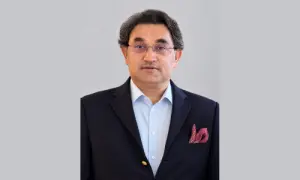
ISLAMABAD: Pakistan may move into another International Monetary Fund (IMF) programme after the current arrangement ends in September 2027, with the approaching general elections likely to put economic discipline and reform continuity at risk, former federal minister and chairman National Assembly standing committee on Finance Syed Naveed Qamar warned on Thursday.
Speaking at the concluding session on economic reforms as part of SDPI 29th sustainable development conference, Qamar said only around 18 months would separate the expected conclusion of the IMF programme from the next general elections, raising concerns that political pressures could lead to increased government spending and a reversal of economic discipline.
He cautioned that Pakistan could face renewed economic instability unless the government used the remaining period of the IMF programme to establish a sustainable growth framework and implement structural reforms.
Referring to expectations about Pakistan’s future engagement with the Fund, he said the country might move from the existing arrangement into another IMF programme rather than exit its support.
Qamar stressed that the government should use the leverage provided by the current programme to build the institutional and policy framework needed for sustainable growth, warning that delaying the transition could lead to a disorderly economic adjustment after the programme concludes.
He said Pakistan had achieved a degree of economic stability but needed to gradually ease its restrictive policy stance and shift towards growth, arguing that the brakes had been applied too sharply because of past economic mismanagement.
On the energy front, Qamar called for accelerated deregulation of the power sector, saying consumers were increasingly abandoning the conventional electricity system, particularly through solarisation, as they sought alternatives to an inefficient and costly supply structure.
He said consumers had effectively started “voting with their pockets”, reflecting their growing frustration with the existing system.
He argued that policymakers were attempting to preserve an outdated and inefficient system by transferring its financial burden to other consumers instead of addressing its underlying weaknesses.
Citing the shifting of industrial consumers from gas to electricity, he said the policy had failed to achieve its intended objective, as industries did not switch to the national grid as anticipated.
“People didn’t switch to the grid. All we did was take away all the paying customers of the gas companies and give them a whole bunch of unpaying customers,” he observed.
As a result, he said, the circular debt burden had shifted between the power and gas sectors, leaving both saddled with substantial liabilities without improving operational efficiency.
Qamar maintained that deregulation and competition, rather than focusing solely on privatisation, offered a more effective route to reforming the energy sector.
He said privatisation was a lengthy and painful process, whereas allowing more companies to enter the market and compete could accelerate improvements in efficiency and service delivery.
“For God’s sake, deregulate,” he said, urging the government to accelerate efforts to introduce competition in the power sector.
He also called for a fundamental overhaul of Pakistan’s education system, arguing that policymakers had focused excessively on enrolment figures, including the number of out-of-school children and girls, while neglecting the quality and relevance of education.
He said the existing system continued to produce graduates with limited practical skills and remained rooted in an outdated curriculum designed primarily to produce clerical workers.
Qamar called for greater emphasis on vocational training, skills development and productivity, arguing that Pakistani workers performed considerably better abroad because they had access to better training and working environments.
He also questioned the relevance of the existing school curriculum, stressing the need to incorporate practical subjects, including hygiene, nutrition and climate education, alongside conventional academic disciplines.
He said reforms should focus on equipping young people, particularly girls, with skills and knowledge that could help them contribute meaningfully to the economy and society.
Copyright Business Recorder, 2026




















Comments