


When leading from behind is more impactful
Traditional 'leading from the front' is becoming obsolete. This article explores 'leading from behind' as a more relevant approach for modern workplaces, emphasizing human connection, purpose, and trust.
- The shift from heroic leaders to relatable human connections.
- Empowering teams by fostering trust over control.
- Connecting employees to purpose beyond rigid processes.
- Developing shared vision through inquiry, not just requirement.
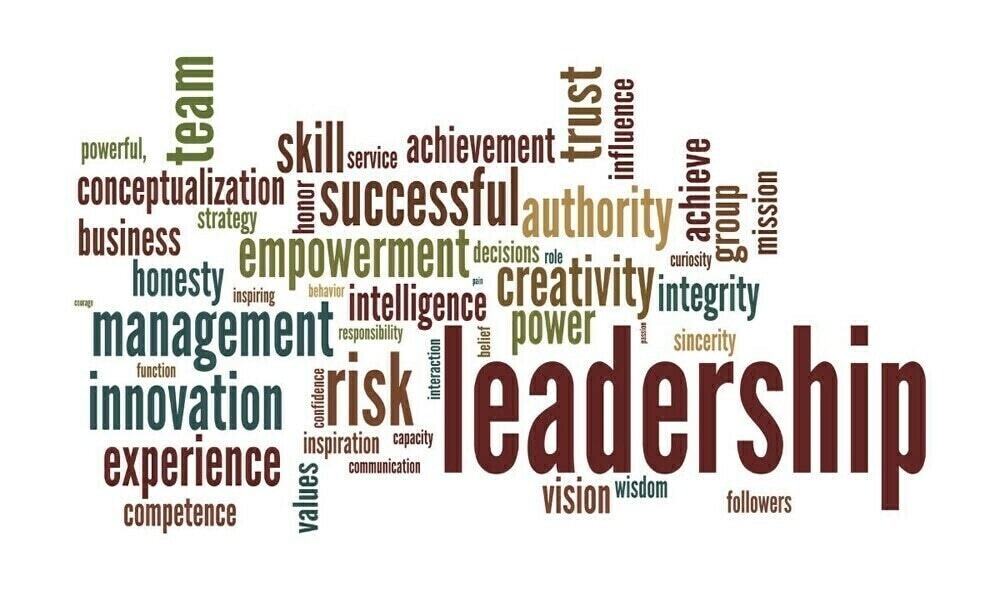
What image comes to your mind when you think about a leader? This is a question I pose to many of my coaching candidates. More often than not, it is an image of a person leading from the front.
This imagery is understandable when you think about the war scenes that we see in movies. The commander leading the troops. The man in front shows the way and the follower goes the way. This is the dominant theme of leadership. The term follower is also derived from this very imagery. If the leader leads from the front, only then you have followers following him on the same path. This is almost given that to lead means the person right in front and visible. Rightly so. Nothing stirs the imagination more than the vision of the man taking the lead and carving a path for his followers against all odds.
Thus, the odds that a person can be perceived as a leader if he is not in front are pretty slim. Somebody who is not in the limelight is the last one to talk, is not necessarily sitting at the head chair, is not really perceived as a leader. On the other hand, the world is going through a leadership famine. What worked previously is facing redundancy presently.
The new workforce is increasingly more disengaged and disenchanted. This disconnect is getting more pronounced with time. AI has and will become a key change catalyst. In the next few months many functions will be absorbed by AI agents. The traditional organisational charts will need to become flatter. Each role will have to be reframed and redesigned. In today’s digital world communication will have to develop a new focus.
With all these disruptions happening, the role of the leadership itself needs to consider what it needs to do to be more relevant in this world of blurring boundaries. As “intelligence” becomes a commodity, do we really need the top guy to be the lead-all person? That is a question that needs to be explored. Data, information, knowledge are a click away. The younger generation is averse to the hierarchy that is still being practiced in the companies. They refuse to “look up” to people simply because they are structurally above them. That is why Leading from behind may be more impactful in many situations:
Reset 1: From heroes to humans – The superman complex is real. If this was not true why would sequels of these movies do so well? We all admire this larger than life wonder guy who wears a cape and flies all over to save the world. The problem with these super fantasies is that they are too far removed from what humanity is. They fail to provide that sense of belonging that keeps people affiliated to them. The need for today is not a hero who is on a pedestal and worshiped by his followers, but somebody who is constantly connected with them and amongst them. With the newer generation in the workforce, far removed leaders who make ceremonial appearances are considered too hierarchical. They want “real” figures they can relate with.
Reset 2: From process to purpose – Another characteristic of the leader who prefers to shift the limelight from himself to others is that he is not a process monitor. In my coaching sessions, one complaint that multinational employees have is that there are too many processes to be followed. They feel that the number of documents and reports that they have to follow restricts their creativity. Many a times they are part of the region and are just bound to follow what the region is doing. That is why many young people enter the global companies, feel enslaved, leave and try to enter startups etc. When you are leading from behind, you have this great mind’s eye vision of seeing who is walking where. The leader can sense when somebody is detracted, when someone is stumbling and when one is not walking at all. That is the time to reach out, make people see the big picture, get people out of the process boredom and connect them to the real meaning of being part of something bigger.
Reset 3: From control to trust – When you are in the front, the perception is to do as the leader does. When you are leading from behind, the perception is that others are entrusted to go the right way. This means space is given. That means avenues may differ but the destination may be the same. That means that the leader admits he is not the know-all and lets people create new pathways. This means the leader is not be-all and draws upon the individual potential of the people. That means that instead of the usual hierarchies he seeks collaborations that leverage on collective talent.
Reset 4: From requiring to enquiring – Leading from the front implies that the leader is going to set the way and inspire the followers to align their vision and values with him. In leading from behind instead of requiring them to be followers, the leader first becomes the follower by enquiring and connecting. He discusses his vision and then with their help comes up with a picture that they share. This creates an understanding far beyond inspiration. This develops ownership far beyond the leader himself.
Reset 5: From rewarding to celebrating – Leading from the front works well when the reward and recognition systems are strong. Leading from behind is not just about rewarding but about celebrating the uncelebrated. Instead of just “work well done” it is “help extended” voluntarily that is celebrated. It is when junior team members are projected by senior team members that is appreciated. It is not about the “occasion based” wins but about daily acts of greetings, energy, support that reenergise the group.
A disclaimer: We are not saying leading from behind is better than leading from front. What we are saying is that leading is not a one-dimensional behaviour. In situation where crisis emerges, the team lacks expertise, the leader must take the task head on. Similarly, leading from the back is not about stepping backward, but letting others step forward, encouraging people to lead, empowering them to forge deep ownership and belonging. As Lao Tsu said, “If you want to lead them, you must place yourself behind them.”
The writer is a columnist, consultant, coach, and an analyst and can be reached at [email protected]




















Comments