


Keeping lights on gets pricier by the day
Pakistan's power generation costs are soaring due to an expensive fuel mix, with increased reliance on imported coal and HSD as RLNG availability drops, leading to higher consumer bills.
- Rising dependence on costly imported coal and high-speed diesel.
- Halved RLNG generation and its impact on electricity prices.
- Significant increase in fuel cost adjustment for consumers.
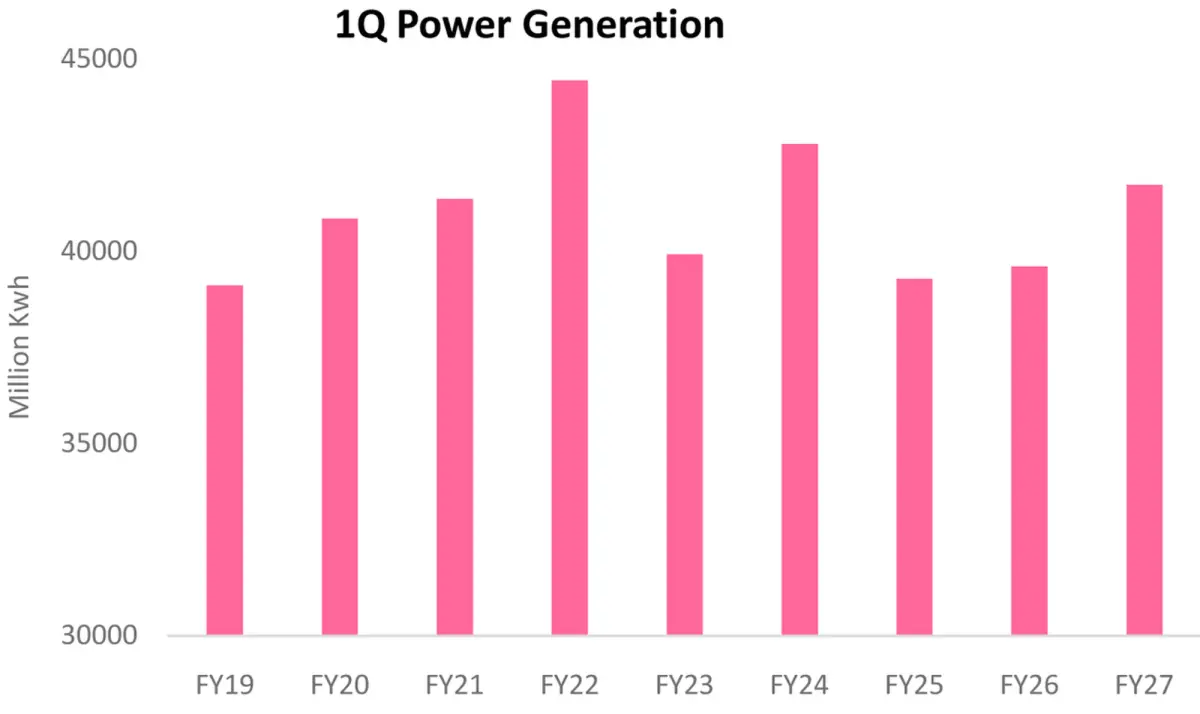
Pakistan’s power generation is growing, but the cost of meeting demand is rising much faster. September brought another reminder that the country’s fuel mix is becoming increasingly expensive, with limited RLNG availability pushing more generation onto imported coal and, at the margin, high-speed diesel (HSD).
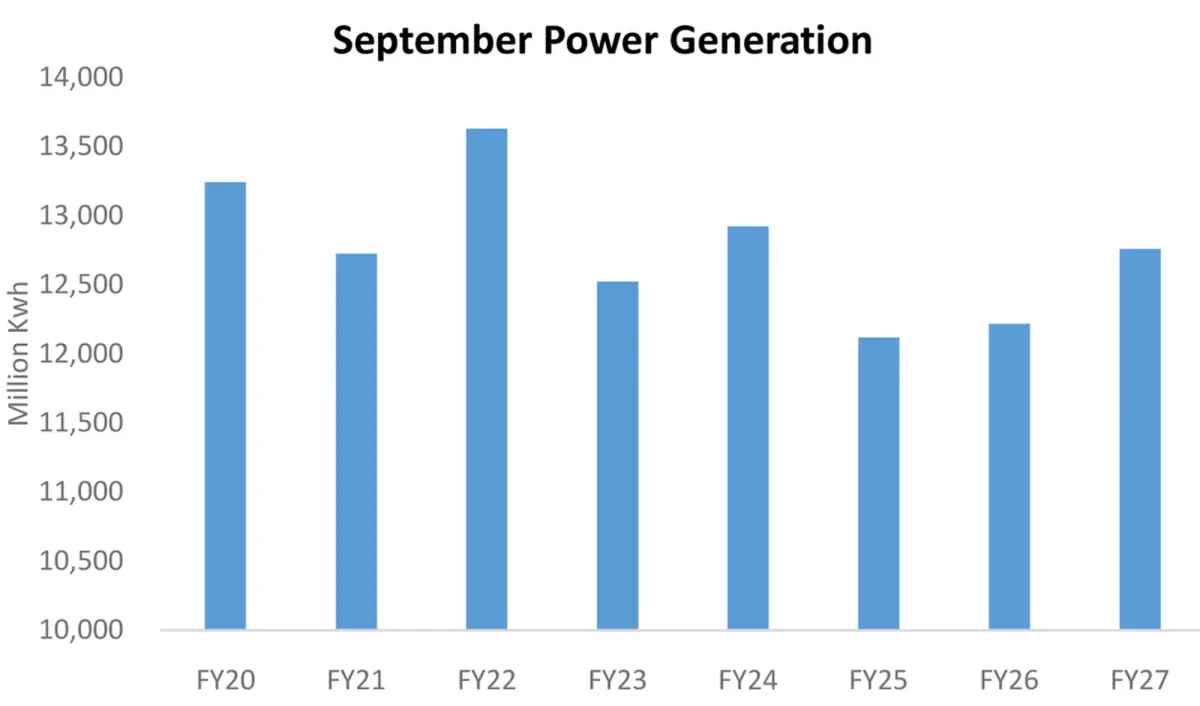
Power generation stood at 12.76 billion units in September, up 4.4 percent year on year. On a 12-month rolling basis, growth remains barely 3 percent. The recovery is still modest, with much of the incremental demand believed to be coming from industrial consumers responding to the government’s incremental consumption package. Meanwhile, households continue to reduce their reliance on grid electricity as rooftop solar expands, although adoption appears to be slowing from its earlier pace.
The fuel mix tells a more troubling story. Imported coal generated 2.15 billion units in September, more than twice the volume recorded a year earlier. At around Rs17.2 per unit, it remains far cheaper than oil-based generation, but the scale of its use points to a growing dependence on imported coal to compensate for shortfalls elsewhere.
RLNG generation, by contrast, more than halved year on year to just 800 million units. Electricity generated from RLNG cost around Rs40 per unit, almost double the rate a year earlier. Limited cargo availability and elevated international prices continue to constrain the use of a fuel that has historically provided flexibility to the power system.
Nuclear generation also remains below potential, with delays and technical issues at individual plants restricting output. The result is a system increasingly reliant on alternative thermal sources to meet demand, even as hydel generation provides seasonal relief.
September’s real surprise, however, was HSD-based generation. Output reached its highest level since February 2022. At Rs62 per unit, HSD was comfortably the most expensive fuel source used to generate electricity in Pakistan’s recorded data. Its reappearance at this scale is a reminder of what happens when the system has to meet demand without sufficient access to cheaper generation.
Overall generation was broadly in line with the reference level, but that headline conceals substantial deviations in the fuel mix. Imported coal was well above reference, while RLNG remained sharply below it. Meeting roughly the expected volume of demand has therefore come at a much higher cost.
The impact is visible in the fuel cost adjustment. A nearly 44 percent year-on-year increase in overall fuel cost, against only marginally higher generation, pushed the September FCA request to Rs2.56 per unit. That is the highest requested adjustment since June 2024. The final amount allowed by the regulator will likely be lower, but the adjustment could still come close to Rs2 per unit.
The coming winter may offer less relief than usual. Lower cooling demand will reduce pressure on the system, but it will not necessarily resolve the fuel problem. Domestic gas supplies will face competing demands, while expensive imported fuel could remain necessary to support generation. Nuclear availability and the timing of hydel inflows will also matter.
The underlying problem is not simply that electricity demand is rising. It is that the system is struggling to meet that demand with the cheapest available mix of fuels. Solar continues to displace grid consumption during daylight hours, while the grid must still provide electricity when solar output falls. Without dependable access to lower-cost generation, the evening and seasonal balancing burden increasingly falls on thermal plants.
For consumers, the consequence is straightforward: even a modest recovery in electricity generation can produce a disproportionately large increase in fuel costs. September shows how expensive that gap can become.




















Comments