


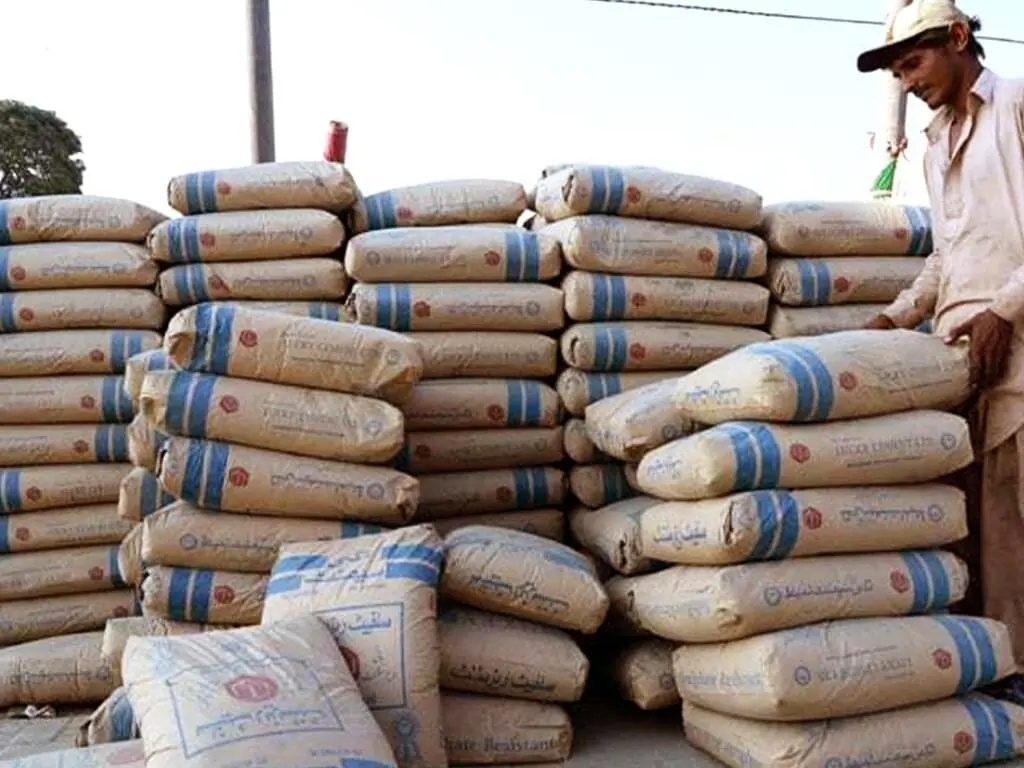
Pakistan’s cement sector ended the first quarter of FY27 on a positive note, with domestic demand picking up despite continued weakness in exports. Total cement dispatches increased by 6 percent year-on-year to 4.62 million tons in Sep-26. Dispatches were also up 14.5 percent month-on-month, suggesting some improvement in construction activity after a relatively slow Aug-26.
Domestic sales were the main driver of growth, increasing by 7.4 percent year-on-year to 3.79 million tons in Sep-25. On a monthly basis, the increase was even stronger at 15.5 percent. Part of this improvement can be attributed to construction activity picking up after monsoon-related disruptions. However, it is still too early to say whether this improvement marks a sustained recovery in construction demand.
For 1QFY27, total cement dispatches reached 13.14 million tons, up 3.9 percent year-on-year. Domestic dispatches grew by 7.8 percent to 10.85 million tons, while exports declined by 11.4 percent to 2.30 million tons. The numbers show that the domestic market is recovering, but the export side continues to hold back overall growth.
The regional picture is quite different. In the North, domestic dispatches increased by 4.7 percent in Sep-26, but total dispatches fell by 2.4 percent year-on-year due to the complete absence of exports. The closure of the Afghan border and disruptions in traditional export markets continue to hurt northern manufacturers. During 1QFY27, northern exports remained zero, compared to around 0.66 million tons in the same quarter last year. This largely wiped out the gains made in domestic sales.
The South, on the other hand, performed much better. Total dispatches increased by around 30 percent year-on-year in Sep-26, supported by a 23.5 percent rise in domestic sales and a 36.3 percent increase in exports. Southern exports reached 0.83 million tons during the month, their highest level since Jan-26. For the quarter, exports from the South grew by 19.1 percent. This shows how access to seaborne markets has helped southern manufacturers, although the gains were not enough to make up for the loss of northern exports.
Capacity utilisation has improved, but the industry is still operating well below its full potential. Overall utilisation reached around 66 percent in Sep-26, while the quarterly average stood at about 60 percent, up two percentage points from last year. The spare capacity remains significant, particularly in the North, where utilisation was around 57 percent in Sep-26.
Cement prices, meanwhile, remain high. Average prices increased by around 10 percent year-on-year to Rs1,549 per bag in Sep-26, while the quarterly average stood at Rs1,545 per bag, up 9 percent. Higher prices may help manufacturers maintain revenues, but they also make construction more expensive. For households already dealing with squeezed budgets and high borrowing costs, this remains a hurdle to building.
Looking ahead, the outlook for FY27 is somewhat better for domestic demand. Housing activity could gradually improve. However, borrowing costs remain high, private investment is still weak, and elevated construction costs could limit the pace of recovery. Government spending will also depend on how quickly development funds are actually released and projects move forward.
Exports are likely to remain uneven. A reopening of the Afghan border could help northern manufacturers recover some of their lost volumes, while the South may continue to benefit from overseas markets. However, higher coal prices, freight costs and regional tensions could affect production costs and export competitiveness.
Overall, the recovery is still modest and uneven. Stronger local sales have helped offset part of the export weakness, while spare capacity remains high. The real test will be whether the pickup in domestic demand continues in the coming months, supported by actual construction activity and investment, rather than just a seasonal improvement.
























Comments