


A bolt from the blue for retailers: CDA bans sale of products packaged in PET bottles
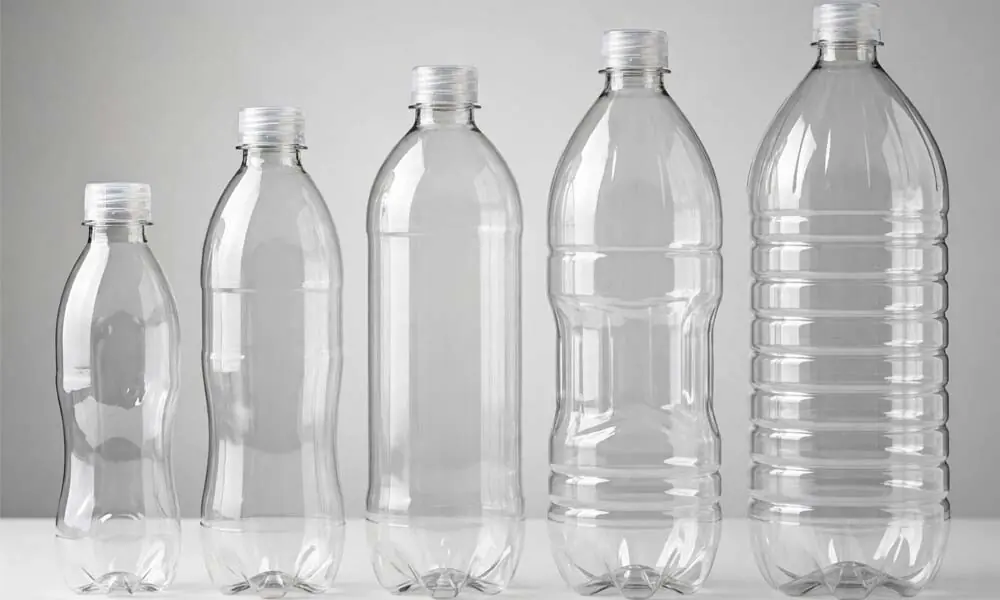
ISLAMABAD: Local retail outlets and Fast-Moving Consumer Goods (FMCG) companies are totally confused over the forced decision to immediately discontinue sale of products packaged in polyethylene terephthalate (PET) bottles at shops operating within the jurisdiction of the Islamabad Capital Territory (ICT).
A wave of concern has swept through the capital’s retail and FMCG sectors following recent verbal directions issued by the office of the chief commissioner and chairman of the Capital Development Authority (CDA).
The decision has been implemented without issuance of any warning or notification.
The Overseas Investors Chamber of Commerce and Industry (OICCI) has also urged the government to withdraw the proposed ban on polyethylene terephthalate (PET)-packaged products in Islamabad, arguing that the move could undermine recycling activities, increase environmental costs and adversely affect businesses.
The CoRe Alliance also sought intervention of Board of Investment (BOI) to withdraw the proposed ban on PET bottles,ensure effective enforcement of the ICT Single-Use Plastics Regulations, 2023, and support the government’s broader efforts to promote ease of doing business, attract and retain foreign investment, and maintain a predictable, investment-friendly regulatory environment.
In a letter addressed to Interior Minister Mohsin Naqvi, the OICCI expressed concern over reported instructions advising retailers and fast-moving consumer goods companies in Islamabad Capital Territory (ICT) to discontinue sale of products packaged in PET bottles.
The chamber urged the government to strengthen waste collection, segregation and recycling systems instead of imposing a blanket ban on recyclable PET packaging.
It also called for effective implementation of the ICT Single-Use Plastics (Prohibition) Regulations, 2023, through producer-funded collection and recycling systems, measurable recovery targets and investment in recycling infrastructure.
The chamber requested the interior minister’s intervention to withdraw the proposed ban and promote sustainable waste management policies consistent with international regulatory practices.
Meanwhile, the local administrative authorities commenced enforcement actions, which include the sealing of several retail outlets across the city.
Industry experts and business leaders warned that such coercive measures, executed without formal legislative alignment, pose severe risks to commercial operations, government revenue generation, and broader national economic stability.
Representatives from the beverage and packaging sectors have highlighted that a blanket prohibition on PET packaging is scientifically unsupported, environmentally counterproductive, and inconsistent with globally recognized circular economy principles.
Furthermore, industry observers point out that the abrupt restrictions appear to conflict with both the spirit and objectives of the ICT Single-Use Plastics (Prohibition) Regulations, 2023, as well as prevailing international regulatory standards.
PET is widely recognized as a lightweight, food-grade, and 100 percent recyclable material backed by an already established, robust collection and processing value chain in Pakistan.
Unlike non-recyclable single-use plastics, post-consumer PET bottles carry significant commercial value. They are actively collected, sorted, and repurposed into synthetic fibers, new packaging materials, and recycled bottles.
A sudden ban threatened to dismantle this active recycling ecosystem, risking the livelihoods of thousands of workers across the waste collection, sorting, and processing sectors.
Copyright Business Recorder, 2026






















Comments