


Indigenisation: Power sector urged to exceed 30pc local value addition
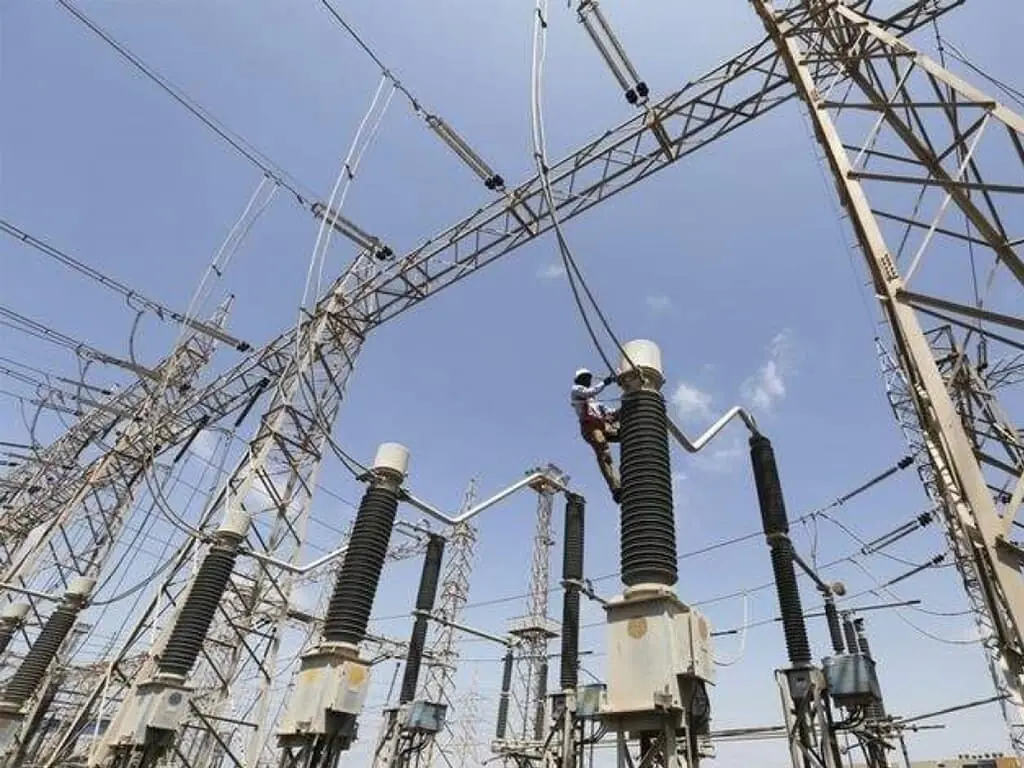
LAHORE: Pakistan’s power sector must go well beyond 30 percent local value addition if it is serious about indigenization, a senior Ministry of Energy official said at a national workshop hosted by the LUMS Energy Institute (LEI), where stakeholders pushed for a coordinated plan to cut the country’s reliance on imported electrical equipment.
The Second National Consultative Workshop on the Power Sector Indigenization Roadmap brought together officials from the Ministry of Energy, WAPDA, the National Grid Company (NGC), the Power Planning and Monitoring Company (PPMC), distribution companies, regulators, equipment manufacturers, industry associations and academia.
Building on a first workshop held in May 2025, the effort has moved from preliminary assessments to a product-level analysis of demand and supply, matching sector requirements against what local manufacturers can currently produce.
Faizan Ali Shah, Advisor to the Ministry of Energy (Power Division), welcomed LUMS’s initiative and said 30 percent local value addition alone would not achieve indigenization goals. He noted that the National Electricity Plan 2023–2027 had directed the Engineering Development Board (EDB) to submit a formal indigenization plan to the government by 2024, but the task was never completed. The Power Division, he said, will now prioritize developing the plan in consultation with all stakeholders.
Dr Fiaz Ahmad Chaudhry, Professor of Practice and Senior Advisor at LEI, said the institute has provided a shared platform for procuring agencies, manufacturers and policymakers to tackle industry challenges, speed up import substitution and build a globally competitive domestic industry.
LEI Program Lead Engr. Faisal Javaid Mughal presented an overview of local manufacturing opportunities, projected ten-year demand and Pakistan’s existing production capabilities.
Participants split into three parallel streams: variable renewable energy (VRE) generation equipment and battery energy storage system (BESS) components; transmission lines and allied equipment; and grid stations and allied equipment. Manufacturers shared expressions of interest and product development plans, while procuring agencies presented demand projections. Discussions centered on manufacturing readiness, localization bottlenecks, technology partnerships and supportive policy measures.
A high-level panel included Faizan Ali Shah; NGC Managing Director Altaf Hussain Malik; PPMC Managing Director Abid Latif Lodhi; Mujahid Pervez Chattha, Chairman GEPCO and board member of K-Electric; and Muhammad Arfan, Member Power at WAPDA. Former EDB Chairman Almas Haider urged key institutions to work together to turn LEI’s preliminary findings into a practical, evidence-based Indigenization Policy Framework and Roadmap.
LUMS Rector Shahid Hussain and Provost Dr Tariq Jadoon reaffirmed the university’s commitment to evidence-based policymaking, innovation and industrial transformation.
The workshop ended with consensus on steps to align procurement practices with national localization goals, encourage technology partnerships and advance a roadmap for import substitution. Its outcomes feed into an Indicative Product Development Plan for phased localization and will provide structured input for designated power-sector entities to develop the formal Pakistan Power Sector Indigenization Policy (PSIP), including its policy framework and roadmap.
Copyright Business Recorder, 2026
















Comments