


Anti-smog steps: Punjab has provided 10,000 subsidised super seeders to farmers: Marriyum
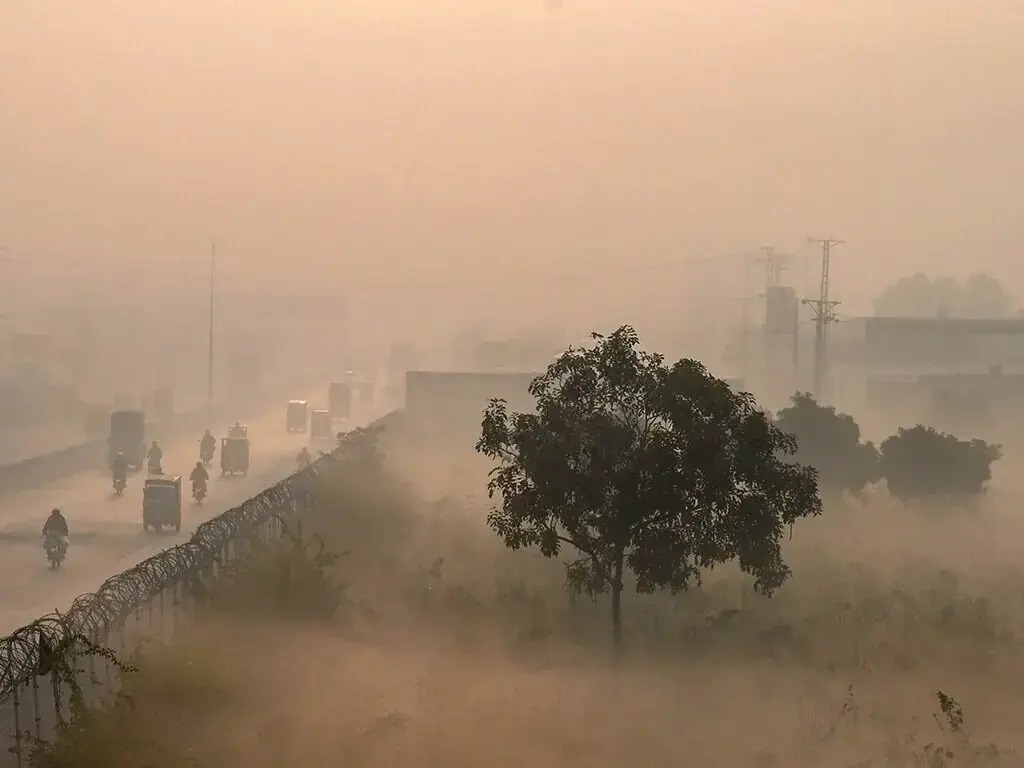
LAHORE: Punjab has provided 10,000 super seeders to farmers at a 60 percent subsidy and converted around 8,000 brick kilns to zigzag technology as part of an integrated strategy to curb air pollution, Senior Provincial Minister Marriyum Aurangzeb said.
Addressing at a press conference on anti-smog measures, she said the provincial government, under Chief Minister Maryam Nawaz Sharif, was using modern technology, data-driven monitoring and strict enforcement to tackle pollution and improve air quality.
She said Lahore had previously recorded a high Air Quality Index (AQI), prompting the government to adopt coordinated measures targeting industrial emissions, vehicular smoke, crop residue burning and construction dust.
She said the government had introduced an integrated monitoring system through the Climate safe city dashboard, climate watch and advanced air quality monitoring systems. International, regional and local data were being analyzed to assess wind speed, direction, temperature and pollution sources.
While polluted air crossing the border could contribute to deteriorating air quality, controlling local pollution sources remained the government’s priority, she added. Low wind speeds during morning hours allowed pollutants to accumulate, while changes in weather conditions could influence AQI readings.
The minister said around 8,000 brick kilns across Punjab had been converted to zigzag technology, with QR codes assigned to all kilns. Another 709 kilns had been fully mechanised, while cameras were being installed on factory chimneys to monitor emissions. The government was also planning to establish low-emission zones in highly polluted areas.
To discourage crop residue burning, the government had provided 10,000 super seeders to farmers at a 60 percent subsidy. Modern agricultural machinery and Kubota harvesters were also being used to promote the productive utilisation of crop residue, she said.
She said certain air pollution indicators had declined by 13 percent last year, while pollutant levels across Punjab had fallen by 33 percent. A force comprising 1,000 personnel had been established to enforce environmental laws, with drone surveillance, advanced cameras and digital monitoring systems being used to detect violations.
She clarified that 500,000 vehicles had been issued emissions certifications last year, urging motorists to get their vehicles tested and certified by November 15. The Environmental Protection Agency (EPA) was operating mobile emissions-testing facilities at nine locations in Lahore, while private workshops were being integrated into the certified testing system. Action was also being taken against smoke-emitting government vehicles, and the government was working on a buyback policy for older vehicles, she said.
The minister said the chief minister’s initiative to provide electric bikes to 100,000 students was aimed at promoting environmentally friendly transport. The government was also planning to introduce 3,000 electric buses into public service by next June to reduce transport-related emissions.
Measures to control dust at construction sites included installing sprinklers, while enforcement action was being taken against those burning garbage, tyres and plastic. Pyrolysis plants had been removed from residential areas, she added. Fifteen smog guns were currently operational, with another 15 being procured for deployment in other districts.
The minister further said 12 government departments were working together to combat smog, urging citizens to report environmental violations and smoke-emitting vehicles through helpline 1373.
Citing government data, she claimed that the number of patients suffering from respiratory and lung-related illnesses had declined by 25 percent during the current year. She added that educational institutions had not been closed during last year’s smog season, while protecting public health remained a key priority.
The government was also working to establish waste treatment plants in Lahore, Faisalabad and Multan. The EPA’s reference laboratory and the Forest Department’s Geographic Information System (GIS) laboratory were helping modernise environmental monitoring and document plantation activities, she said.
Under the provincial target of planting 50 million trees, geographical mapping was being used to monitor plantation activities and improve record-keeping. Work was also underway on small dams and recharge dams to conserve water resources. Aurangzeb stressed that sustained improvement in air quality required the participation of citizens, farmers, industrialists, brick kiln owners, restaurant operators and transporters alongside government enforcement.
She urged the public to ensure timely vehicle emissions testing, avoid burning crop residue and waste, and comply with environmental regulations. The anti-smog campaign, she said, would continue on a permanent basis to improve air quality, protect public health and create a cleaner environment.
Copyright Business Recorder, 2026























Comments