


Pharma markets face shortage of over 100 life-saving drugs
- Manufacturers have repeatedly approached the government to revise up medicine prices
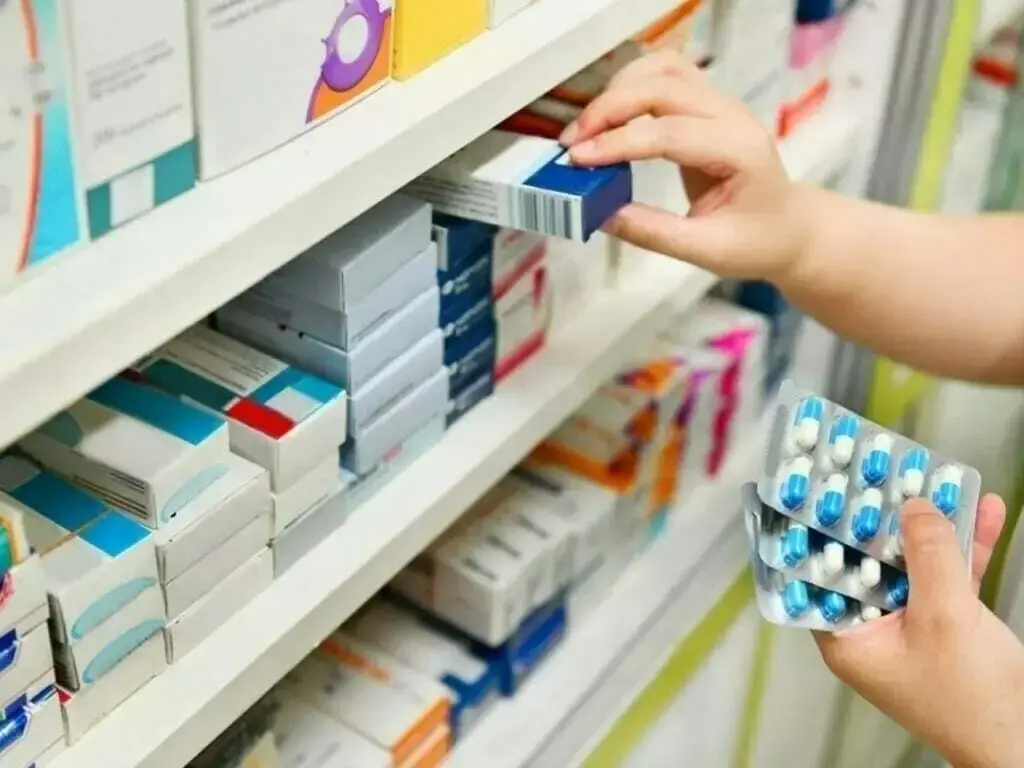
KARACHI: More than 100 life-saving medicines are currently unavailable in Pakistan, making it difficult for patients to access essential treatment for conditions including cancer, hypertension, and diabetes, according to drug manufacturers and suppliers.
They say medicines have been going out of production one by one over the past two years, as rising costs have exceeded their prices in retail markets, making it financially unviable to continue manufacturing.
According to the manufacturers, they have repeatedly approached the government to revise up medicine prices to make it feasible for them to resume production and supplies but the authorities have yet to review their requests.
READ MORE: Medical reps key to bridging pharma-physician gap despite restrictions
“Under the Drug Pricing Policy 2018, hardship cases should be decided by 60-90 days from the date of submission of application for increase in prices,” Pakistan Pharmaceutical Manufac-turing Association (PPMA) former chairman Tauqeer Ul Haq said while talking to Business Recorder.
“However, applications filed from time-to-time to seek price increases have remained pending for over two years now, contributing to the discontinuation of some medicines,” he said.
The reported number of the disappeared medicines is close to 105.
“In reality, however, the number of hardship cases stands significantly higher at present. The number is restricted at 105 because manufacturers have stopped applying for new hardship cases - request for increase in prices of financially unviable medicines - to the Drug Regulatory Authority (DRAP) and the Drug Pricing Committee after the previous hardship applications have remained pending,” Haq added.
The government should understand that drug manufacturers are not demanding an increase in prices. Rather, they are demanding upward revision in the price of those medicines that have become financially unviable to be produced at the last given prices, according to PPMA former chairman. “Who will produce and supply medicines in losses? I guess no one.”
Haq lamented that patient lives were at risk and they might be buying counterfeit and smuggled medicines at higher prices in absence of the original life-saving drugs at lower prices.
The government has continued to retain power to fix the price of life-saving drugs, which come to around 40 percent (or 500 molecules) of all the medicines sold in Pakistan.
Meanwhile, PPMA senior vice chairman Kamran Nasir said the DRAP and Drug Pricing Committee had recommended new prices for medicines applied under hardship cases, sending the summary to the federal cabinet for its final approval. “However, the cabinet is not considering the summary sent multiple times during the past over two years.”
“Pakistan is the only country in the world where the technically capable regulator and regulatory body DRAP assess the hardship cases and send its recommendations for the final approval to the cabinet.
“The exercise of sending DRAP working to the cabinet has no rationale. This process has, however, remained in place in the country. Rather DRAP should have powers. It should be the final authority to review and give its ruling on hardship cases,” Nasir maintained. “The cabinet does not have time to take up each and every issue to be discussed in its meeting, nor does it have technical expertise to look into the matter of revision in medicine prices.”
Pakistan drug manufacturers recently held a meeting with Federal Minister of National Health Services, Regulation and Coordination Mustafa Kamal, Federal Minister for Planning, Development and Special Initiatives and Deputy Chairman, Planning Commission Ahsan Iqbal, and Adviser to the Prime Minister for Industries and Production Division Haroon Akhtar, according to PPMA senior vice chairman.
“They agreed to raise the matter in front of the prime minister and recommend him to empower DRAP to regulate drug prices immediately,” he said.
Nasir further said DRAP does not simply accept drug manufacturers’ demand for revision in prices of life-saving drugs under the hardship cases.
“Rather, it checks similar medicine prices in neighbouring countries, including India, Bangladesh and Sri Lanka, and recommends new prices for Pakistani markets. The new prices do not exceed the price of the same molecules in the regional markets.
“We are in business. We need to manufacture and supply medicines in a profit of around 10-15 percent to lead a team and staff at manufacturing plants, need expenses to supply the medicines, and still remain in profit to reinvest in the country to expand production and set up production lines for new products,” he said.
Copyright Business Recorder, 2026


















Comments