


China's yuan eases amid softer guidance rate, growing tensions with Europe
- Prior to the market open, the PBOC set the mid-point rate at 6.7468, snapping a 10-session strengthening streak
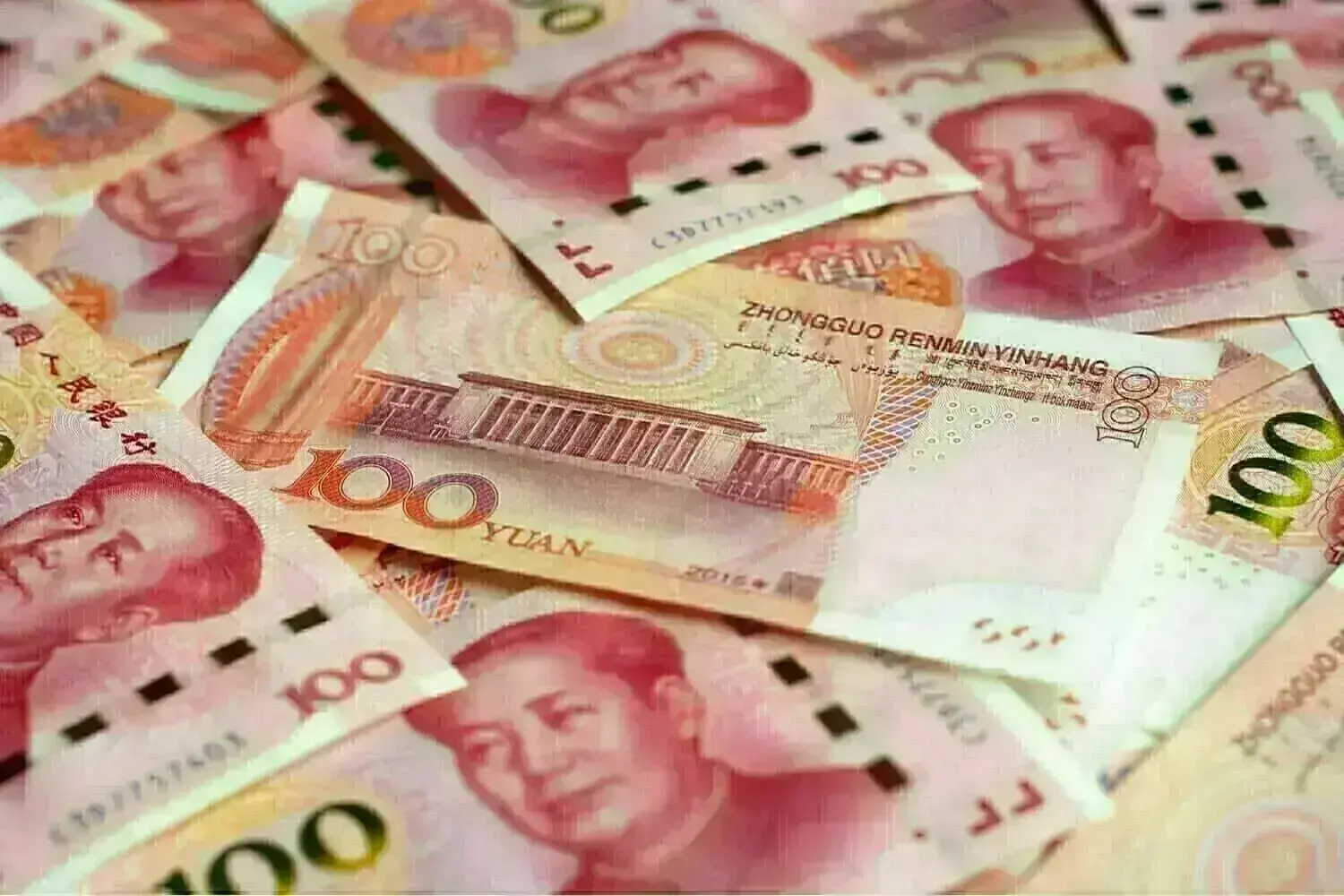
SHANGHAI: China’s yuan softened against the dollar on Wednesday after the central bank set a weaker guidance rate for the first time in 11 sessions as growing trade tensions with Europe threaten to slow Chinese exports.
The yuan had climbed steadily ahead of this week’s meeting between US President Donald Trump and Chinese leader Xi Jinping, but the People’s Bank of China is worried about the currency appreciating too quickly.
“China’s latest extraordinary export wave is showing signs of cresting,” said Andrew Baston, director of China research for Gavekal Dragonomics.
“This could produce some concern about exports; indeed, the People’s Bank of China already shows signs of becoming more cautious about the pace of currency appreciation that it will permit.”
The onshore yuan changed hands at 6.7050 around midday, 0.07% weaker than the previous day’s close.
Prior to the market open, the PBOC set the mid-point rate at 6.7468, snapping a 10-session strengthening streak.
The guidance rate was 497 pips weaker than a Reuters estimate, sustaining a pattern over the past months and reflecting authorities’ desire for slower yuan appreciation.
The dollar index rose for a third day, flirting with an eight-week high.
The planned meeting between Chinese and US leaders in Washington “is a sign the US-China relationship is becoming more predictable,” Oxford Economics said in a report.
While thorny issues like Taiwan may surface, the main focus of their September 24 meeting is whether Trump and Xi will signal an extension to a trade truce struck last year that averted a major shock to the global economy.
But trade tensions between China and Europe are rising.
The European Central Bank said on Tuesday that the industrial transformation of China is squeezing European firms out of global markets, with German companies taking some of the biggest hits.
Some European auto executives and politicians have called for local content rules and expanded tariffs to include plug-in hybrid vehicles from China.
“Europe is facing increasing growth challenges from China’s global competitiveness,” Fitch said in a report.
The rating agency lowered China’s 2026 growth forecast by 0.1 percentage point to 4.5%, citing the country’s increasing economic imbalances.
“Fitch expects only a moderate appreciation in 2027 and 2028 – despite China’s strong external position – as the central bank continues to lean against the appreciation to avoid large swings in the dollar exchange rate.”
Gavekal’s Baston said that “as China heads into 2027, it is very likely to experience a combination of nominal currency appreciation … and slowing headline export growth.”


















Comments