


Illegal immigration: No ticket to Europe
Pakistan has achieved a 64% reduction in illegal immigration to Europe through concerted government efforts and international cooperation, mitigating human tragedy and reputational damage.
- Government efforts and international cooperation in reducing illegal migration.
- Dismantling human trafficking networks and their financial operations.
- Expanding legal migration opportunities and public awareness campaigns.
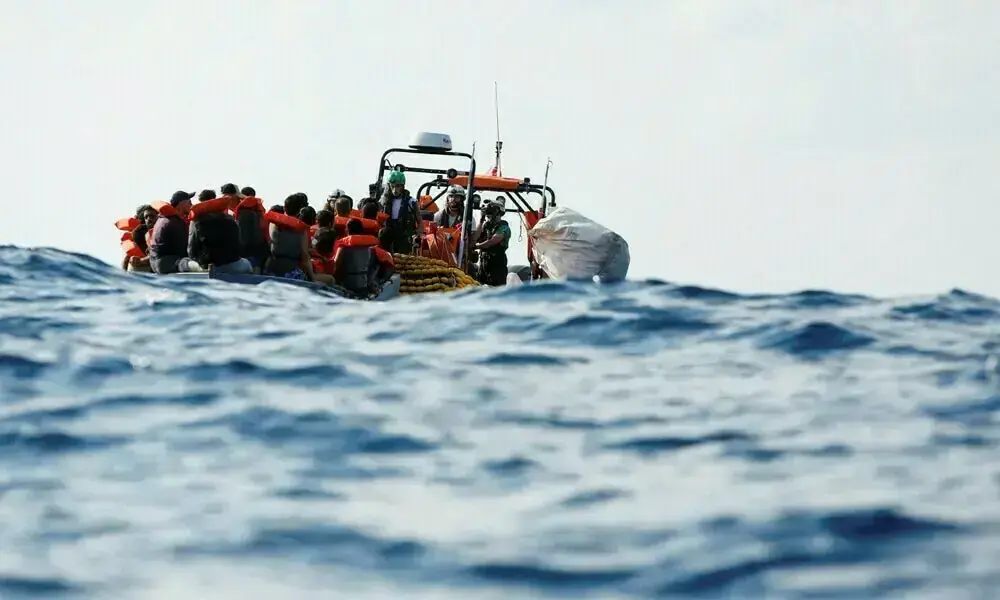
EDITORIAL: A 64 percent decline in illegal immigration from Pakistan to Europe is an achievement worth acknowledging, particularly given the scale of the problem and the limited resources available to the authorities. Interior Minister Mohsin Naqvi says the reduction has followed a concerted government effort, while senior representatives of both the International Centre for Migration Policy Development and the European Union’s border agency Frontex have appreciated Pakistan’s measures.
For a country that has repeatedly witnessed the human tragedy, criminal exploitation and international embarrassment associated with irregular migration, measurable progress is welcome.
The problem has always extended far beyond people attempting to cross borders illegally. Human-smuggling and trafficking networks prey upon desperation, extracting enormous sums from families while sending people through dangerous land and sea routes with little concern for whether they reach their destination alive.
Pakistan has seen the consequences repeatedly when boats carrying migrants have capsized and families have discovered, often weeks later, that relatives pursuing a route to Europe have disappeared. Every illegal journey prevented can therefore mean another potential victim kept away from a criminal network.
There is also an important reputational cost. Large flows of irregular migrants inevitably damage Pakistan’s standing with destination countries and complicate matters for Pakistanis travelling, studying or working abroad legitimately. Immigration authorities respond to abuse by tightening scrutiny, imposing additional requirements and becoming more suspicious of applicants generally.
The actions of trafficking networks and illegal migrants can consequently impose costs on millions of citizens who obey the rules. A sustained reduction would help Pakistan demonstrate that it takes responsibility for preventing abuse of international migration systems.
The government is therefore right to strengthen cooperation with ICMPD and Frontex and to improve the technological and professional capabilities of the agencies responsible for immigration and border management.
Plans to install modern cameras at all 500 immigration counters at Pakistani airports could improve identification and enforcement if backed by properly trained personnel, integrated databases and effective intelligence.
Technology, however, will only be as useful as the institutions operating it. Human smugglers adapt quickly, and enforcement agencies must be capable of adapting faster.
The next stage should concentrate heavily on the networks that make illegal migration possible. Recruiters, facilitators, document forgers, transporters and organisers who profit from the trade must face investigation, prosecution and meaningful punishment. Their financial networks also deserve attention, because dismantling the business model is more effective than repeatedly intercepting its customers.
Any officials found facilitating such operations must face equally firm action.
Naqvi is also correct to emphasise the need for additional legal migration opportunities. Enforcement can suppress illegal routes, but economic incentives driving migration remain powerful. Properly negotiated labour arrangements, credible skills certification, and transparent legal pathways can channel some of that demand towards legitimate employment abroad while protecting workers from exploitation.
Public awareness is equally important, particularly in areas where trafficking networks recruit heavily and sell dangerous journeys as reliable routes to prosperity.
The 64 percent decline should consequently be treated as evidence that determined enforcement and international cooperation can produce results. The challenge now is to sustain it, verify progress continuously and drive the trafficking networks out of business rather than merely forcing them to change routes.
For once, fewer Pakistanis finding a way into Europe is very good news. The ones who do go deserve a proper visa, a safe journey and a country name that arrives before them without an immigration warning attached.
Copyright Business Recorder, 2026



















Comments