


Call for community-centred clean energy transition in Sindh
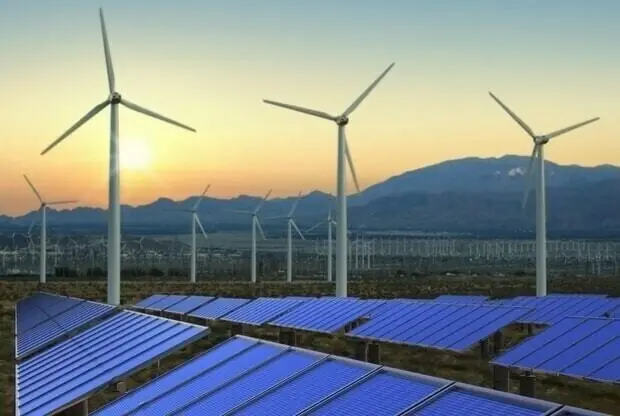
KARACHI: Experts, civil society representatives, policymakers and energy sector stakeholders have called for a community-centred and inclusive approach to the transition towards clean and renewable energy in Sindh, stressing that local communities’ livelihoods, access to land, and wellbeing should not be compromised as new projects are developed.
The call was made at a strategic stakeholder dialogue titled “Just Energy Transition in Sindh: Ensuring Community-Centred and Inclusive Clean Energy Development”, held here at a hotel.
The dialogue was jointly organised by The Citizenry, an online media platform focused on research-based journalism and The Knowledge Forum, a think tank focused on research and advocacy across human rights and development.
The consultation was attended by Members of the Provincial Assembly, including Rehan Bandukda, Sajjad Somoro, Dr Fauzia Hamid, and Roma Mushtaq. From the government side, Ms Lubna Mahmood Rizvi from Sindh Technical Education and Vocational Training Authority, Farhan Shahnawaz and Niza Janjhi of Sindh Energy Department, representatives of Sindh Transmission and Distribution Company (STDC) also participated.
Moreover, civil society organisations including Green Chamber, Climate Action Centre, New Energy Nexus, Centre for Social Innovation in Developing Countries, Transparency International and members media participated.
The consultation covered four key themes. Insights from the at upcoming RE projects at 13 sites across Thatta, Sujawal, Badin and Tharparkar by the Government of Sindh; Potential for Green Jobs in the province; Community Benefit-Sharing and CSR Renewable Energy Transition; Land Laws and Resettlement and Rehabilitation covering energy projects.
Oonib Azam of The Citizenry presented their organization’s study, “Socio-Economic Evidence from Umerkot and Policy Recommendations for Renewable Energy Development,” which draws on a socio-economic survey of 204 respondents across 12 villages in Umerkot, complemented by field observations and expert interviews. The field visits revealed significant gaps in basic services and infrastructure, along with land insecurity, limited community participation and unequal access to development benefits. Residents expressed concerns about potential displacement, informal land tenure and the limited role of communities in decisions affecting renewable energy projects.
The team noted that the existing and the planned projects lack alignment with the local policies such as The Power Generation Policy 2015, the NEPRA Social Investment Guidelines 2021 that promote community engagement, local jobs, skills development, gender inclusion, water, healthcare and livelihoods, and in case of projects supported by multilateral development banks, the World Bank Environmental and Social Framework, which provides safeguards on displacement, compensation, livelihood restoration and consultation, these principles are not consistently embedded in domestic regulation.
The Citizenry team called for renewable energy development that ensures reliable electricity, local employment, skills, and infrastructure; provides communities with timely information, meaningful consultation, and a voice in decision-making; and ensures livelihood restoration, fair compensation, and long-term community investment where projects cause displacement or harm.
Zehra Shallwani of New Energy Nexus spoke about the potential for renewable energy and green jobs in Sindh. Her organization initiated a training model for women and youth in solar installation and maintenance in Thatta. “As solarisation grows in off grid and energy deprived areas of Sindh, technical capacity building of domestic consumers of solar panels is critical to ensuring longevity of the appliances as well as safety of the communities. We observed that in Thatta, malpractices in solar system design, installation and maintenance had been resulting in huge financial losses to the communities. Moreover, young people from Thatta have to migrate to bigger cities in search of employment. Developing local employment opportunities in the renewable energy sector could help reduce such migration and provide young people with livelihoods in their own communities.
She shared that the Power Generation Policy 2015 explicitly states that skilled and semi-skilled local human resource should receive preference for employment in energy projects.
“This is only possible through context based trainings and bridging skill gaps through vocational training institutions so that the communities living on sites planned for RE projects are integrated in employment effectively.”
The presentations were followed by a robust discussion on the impacts of energy projects in the province. Farhan Shahnawaz of Energy Department observed that power dynamics play a role in implementing benefit sharing action among the communities.
Niaz Jhanjhi from the Energy Department noted that the Sindh Government has made special provisions for land allotment for renewables projects in the province. MPA Dr Fauzia Hameed pointed out that repeated episodes of institutional failures and governance deficits are grievously harming the wellbeing of the province’s population. MPA Sajjad Ali Soomro expressed concern over huge payments being made to Independent Power Producers (IPPs) as capacity charge. He said Pakistan has recently renewed contracts with IPPs for another 20 years. “What is the rationale of making such payments when consumers were already facing high electricity costs?” Summing up the discussion, MPA Rehan Bandukda who is also chairperson of Standing Committee on Energy, Sindh Assembly pointed out that government institutions need to do more in terms of transparency and accountability of energy projects installed in the province.
“The Energy Committee will support civil society in its efforts to monitor these projects and demand answers from the government about the cost and benefits of the project.”
Copyright Business Recorder, 2026



















Comments