


Monsoon 2027: Ahsan orders authorities to begin preparations immediately
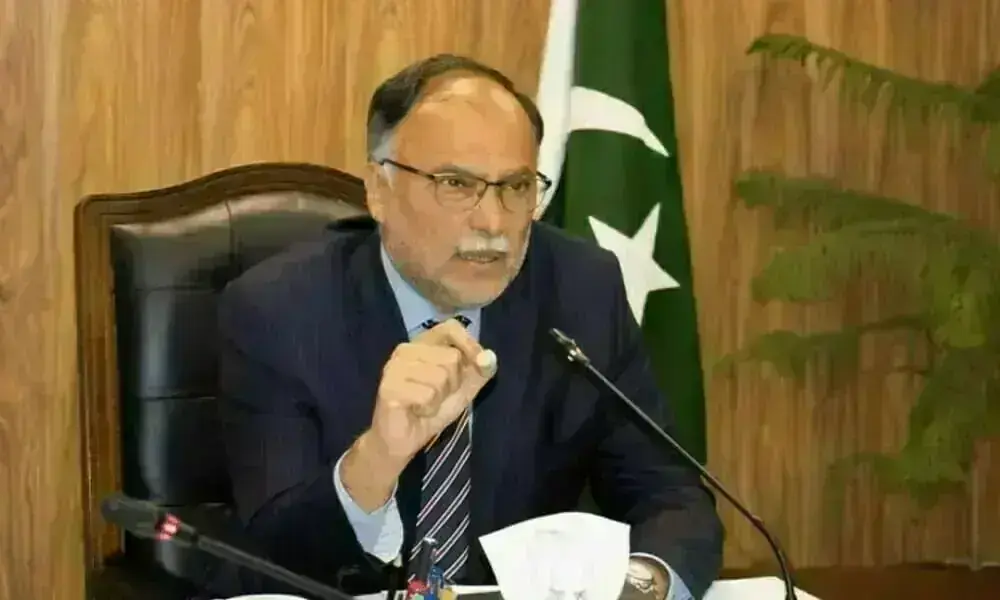
ISLAMABAD: In a major shift from reactive disaster response to advance climate planning, Planning Minister Ahsan Iqbal has ordered authorities to begin preparations for Monsoon 2027 immediately, directing a comprehensive district-wise audit of flood-hit areas and fast-tracking priority protection schemes through a “Green Channel” to ensure critical work is completed well before the next rainy season.
Chairing a high-level meeting of the Prime Minister’s Emergency Response Committee on Monsoon Preparedness 2026, Iqbal warned that flood-prevention projects require eight to 10 months of technical assessment, planning, approval, financing and execution, making early action essential to prevent a repeat of the damage caused by extreme weather events. The meeting reviewed the countrywide monsoon situation, disaster-response operations, outstanding rehabilitation needs and preparations for future climate emergencies.
The meeting was attended by representatives of the National Disaster Management Authority (NDMA), Provincial Disaster Management Authorities (PDMAs), WAPDA, federal and provincial departments, district administrations and other relevant institutions.
The minister directed the NDMA, PDMAs and concerned departments to immediately begin preparations for Monsoon 2027. He said effective flood-prevention measures require eight to ten months of technical assessment, planning, approval, financing and execution and, therefore, cannot be left until the onset of the next monsoon.
“Last-minute emergency interventions cost more and deliver less. We must replace reactive measures with proactive planning, climate-resilient infrastructure and clearly assigned institutional responsibility,” he stressed.
He directed a comprehensive district-wise audit of areas affected by floods in 2022, 2025 and the current season. The exercise will be jointly undertaken by PDMAs, irrigation departments, communication and works departments, district administrations and other federal agencies.
He observed that many bridges, culverts, drains and flood-disposal structures were designed decades ago and were no longer capable of handling challenges intensified by climate change. In several areas, undersized bridges and culverts obstruct water discharge, while drains designed for much smaller flows now overflow and inundate entire settlements.
The audit will identify obstructions and encroachments in floodplains and protective infrastructure.
The Minister directed that technically viable and time-sensitive flood-protection schemes identified through the audit should be processed through a Green Channel for expedited approval and funding.
The minister directed the provincial governments to assess the status of post-flood recovery and prepare a roadmap covering two areas: preventive interventions required before the next monsoon and rehabilitation of outstanding damage so affected communities could return to normal life.
The initial audit is to be completed within one month, followed by a time-bound action plan for the provinces and federal agencies. Implementation will be monitored through quarterly reviews.
The committee also discussed plastic waste as a major contributor to urban flooding. Polythene bags and solid waste dumped into drains form thick blockages that obstruct culverts, bridges and drainage outlets during heavy rainfall.
The Minister called for a nationwide awareness and behaviour-change campaign alongside effective enforcement of restrictions on polythene bags. He stressed that enforcement should be supported by a carefully designed transition across the plastic supply chain, from imports and manufacturing to retail use and waste management, along with affordable biodegradable alternatives to protect both the environment and livelihoods.
“By throwing plastic into drains, people are mercilessly clogging the arteries of our cities,” he remarked.
The committee was informed that Monsoon 2026 had entered its withdrawal phase and no significant monsoon system was presently expected to affect Pakistan. Light rainfall could occur in northern areas due to western disturbances, while Sindh, Balochistan and southern Punjab were likely to remain dry. Rainfall deficits exceeding 60 percent in parts of Sindh and Balochistan had created serious water stress, while above-normal temperatures were expected to persist.
During October and November, northern Pakistan could receive normal to above-normal rainfall under the influence of western disturbances, potentially improving air quality. Sindh and much of Balochistan were expected to remain comparatively dry, while temperatures could remain above normal countrywide. River flows were reported as normal, with no riverine flooding.
The Committee reviewed incidents in Gilgit-Baltistan, Khyber Pakhtunkhwa, Punjab and Balochistan, including landslides, road blockages, house collapses and localised flooding. The cumulative monsoon toll reported to the Committee stood at 181 deaths and 515 injuries, with approximately 1,740 houses or structures damaged. An initial analysis showed that house collapses accounted for 95 deaths, around 52 percent of the total.
The NDMA informed the meeting that it was undertaking a technical assessment of vulnerable housing and had shared reconstruction models with the provinces. A low-cost and environmentally sustainable reconstruction programme was expected to be implemented over the next two to three months. Approximately 640 tonnes of relief assistance, including tents, food and camp supplies, had been dispatched to affected areas.
The meeting was further briefed on Pakistan’s dispatch of 100 tonnes of humanitarian assistance to Nepal, including family tents, blankets, hygiene supplies and medicines.
Professor Ahsan Iqbal directed the NDMA to prepare a comprehensive Monsoon 2026 closure report by the third week of September, documenting all Committee meetings, decisions, response operations, lessons learned, institutional gaps and progress on directives.
Copyright Business Recorder, 2026



















Comments