


Sydney sweats in spring hot spell, faces 'extreme' bushfire risk
- The heat comes as a powerful El Nino weather pattern in the Pacific, expected to be among the strongest in decades
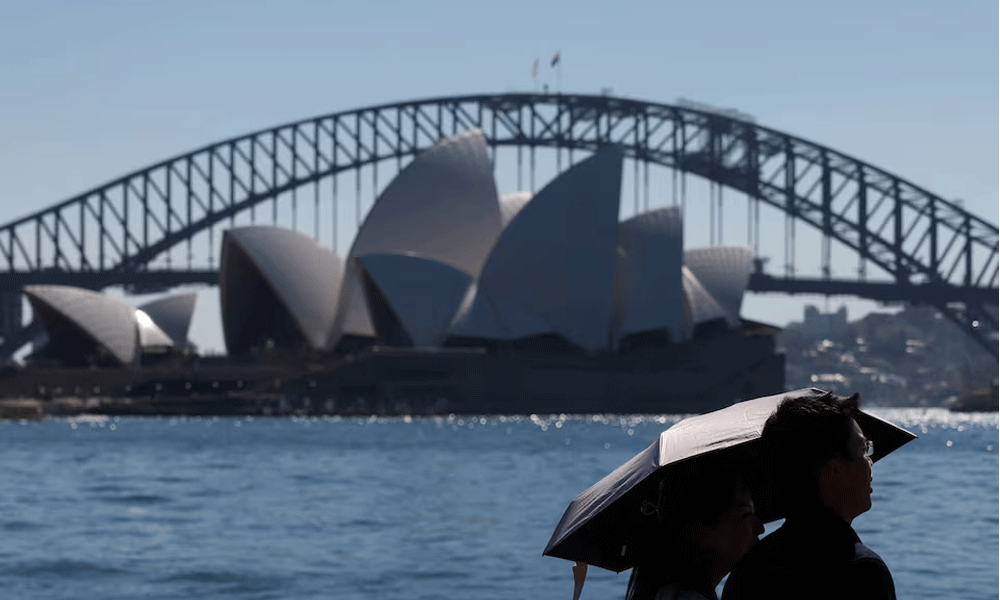
SYDNEY: Australia’s most populous city Sydney baked in a burst of sweltering spring heat on Saturday, raising the risk of bushfires and prompting authorities to issue a ban on lighting fires.
The heat comes as a powerful El Nino weather pattern in the Pacific, expected to be among the strongest in decades, drives hotter and drier conditions across southern Australia during the September-November spring season.
On Saturday, the nation’s weather forecaster said temperatures in the New South Wales capital, home to 5.6 million people, were set to hit 33 degrees Celsius (91.4 degrees Fahrenheit), nearly 13C above average.
At Sydney Airport, the temperature was already 28.6C (83.48F) at 11:30 a.m. (0130 GMT)local time, more than seven degrees above the September mean maximum temperature, according to forecaster data.
“Fresh to strong and gusty northwesterly winds developing during the morning, combined with dry, unseasonably warm conditions, will result in elevated fire dangers across the Greater Sydney Region today,” the forecaster said.
State fire authorities issued a total fire ban for Sydney where they rated fire risk as “extreme”, the second highest danger rating.
Why a super El Niño leaves tropical commodities acutely exposed
Climate change is causing extreme heat and fire weather to become more common in Australia, a bushfire-prone country of around 27 million.
In January, thousands of firefighters battled bushfires in the southeast that razed homes, cut power to thousands of homes and burned swathes of bushland.























Comments