



BENGALURU: Most emerging Asian currencies and stocks fell on Monday as investors raised bets on a US rate hike as early as next month, while higher oil prices from escalating US-Iran tensions pressured the region’s oil importers.
The MSCI emerging market currency index was largely unchanged in Singapore afternoon trade, after hawkish remarks from Federal Reserve Chair Kevin Warsh pushed the dollar near a two-week high.
The currency index was still on track to gain 1.8 percent for the month, its second straight monthly rise.
Warsh said on Friday the Fed still had work to do to control inflation, prompting traders to raise the odds of a September rate hike to about 57 percent.
For emerging market currencies, the shift unwinds expectations of a weaker dollar on softer US data, putting August’s gains at risk.
The Indonesian rupiah fell 0.3 percent to 17,755 per dollar, but was set to gain 1.4 percent in August, its best month since May 2025.
The Philippine peso fell 0.3 percent and traded near a record low, while the Thai baht was little changed after touching a two-week low.
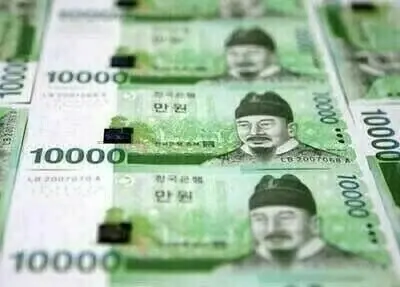
The South Korean won gained 0.5 percent, taking its rise this year to about 5.1 percent. It was set for a second straight monthly gain, helped by strong semiconductor exports.
Meanwhile, oil prices jumped to nearly USD90 a barrel after US attack on Iran’s Larak Island, fueling fears of broader disruptions to Middle East energy supplies.
Regional equities came under pressure. MSCI’s gauge of emerging Asian equities fell as much as 1.6 percent on the day, though it remained on track to gain more than 3 percent in August, its strongest since May.
South Korea’s KOSPI staged a strong rebound to gain 0.5 percent, having fallen as much as 3.6 percent earlier in the day. Taiwan stocks fell 0.4 percent but is still up 7 percent for the month.




















Comments