


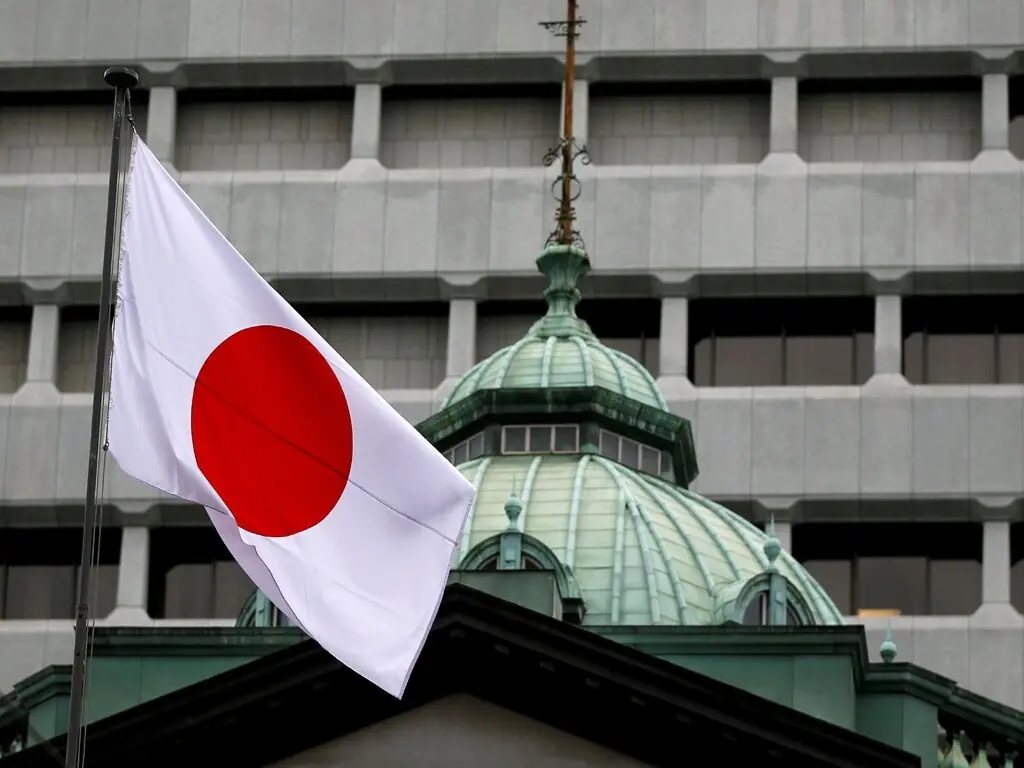
TOKYO: Japan spent 15.4 trillion yen (USD 96 billion) to boost the yen between late July and late August, the finance ministry said Friday, the largest monthly intervention on record.
The Bank of Japan intervenes in the market under the instruction of the ministry to ease economic damage from sharp fluctuations in exchange rates.
The yen has been weakening because of the gap between Japanese and US interest rates, high oil prices and concerns about Prime Minister Sanae Takaichi’s spending plans further swelling Tokyo’s enormous debts.
The finance ministry data released on Friday showed that the market interventions happened between July 30 and August 26, but did not specify exact dates.
On July 31, Tokyo and Washington carried out their first joint intervention in 28 years to boost the yen that had hit a four-decade low.
US President Donald Trump confirmed the concerted action aboard Air Force One early this month, calling it a “signal of friendship” with Japan, and “good for the world economy”.
The operation to buy yen came after the unit hit 163.99 per dollar last month, its weakest since 1986. On July 31, it soared to 157.40, the strongest since early May.
On Friday, the yen was at 159.6 against the greenback.
The July intervention was the first time since 2011 when the United States and Japan — and other G7 members — sold yen to stop it rising after a huge earthquake.
The last time Washington and Tokyo bought yen was 1998.
Experts say the Trump administration also acted to reduce the US trade deficit — a weak yen helps Japanese exporters — and to help Japan invest USD 550 billion in the United States as promised under a 2025 trade deal.
While good for its big exporters like Sony and Toyota, a weak yen inflates import costs for resource-poor Japan, especially oil just as the Middle East war strangles supplies from the Gulf.
The yen has been sliding despite previous interventions and comments by Finance Minister Satsuki Katayama that Japan was ready to act, remarks aimed at deterring investors from betting on the currency sliding further.



















Comments