


India bond traders see RBI stepping up liquidity withdrawal as it paves way for rate hikes
- RBI will use long-term tools to absorb India's massive banking liquidity surplus, paving the way for tighter monetary policy
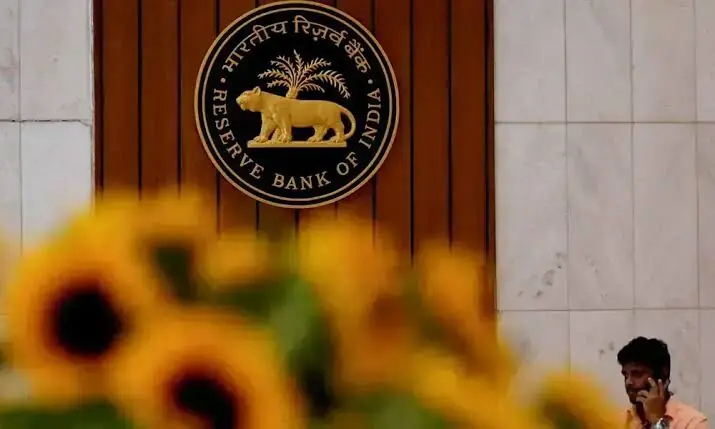
MUMBAI: Indian government bond traders are expecting the central bank to absorb a jump in surplus liquidity in the banking system using longer-lasting tools as it prepares to tighten monetary policy amid rising inflation risks.
Liquidity in the banking system has surged as Indian banks raised foreign currency non-resident (FCNR) deposits, then swapped them with the Reserve Bank of India under a time-limited scheme intended to support the rupee. The scheme has drawn $65 billion between June 5, when it was introduced, and August 21.
India’s banking-system liquidity surplus has averaged more than 3.4 trillion rupees ($36 billion) so far in August and is expected to expand further once the final tranche of non-resident inflows is swapped with the RBI before the window closes at the end of this month.
Bond redemptions are also set to bring more than 630 billion rupees into the system in the next fortnight, potentially lifting surplus liquidity above 5 trillion rupees in September.
To manage the rising surplus, the RBI is likely to deploy a range of tools to withdraw liquidity for longer periods, six treasury officials said.
“It is very likely the RBI will need to use a wider set of tools to avoid overnight rates drifting towards the lower bound,” said Abhishek Upadhyay, co-head of research at ICICI Securities Primary Dealership.
Upadhyay said the RBI could deploy three-month variable rate reverse repo auctions with an early-reversal option, along with foreign-exchange sell/buy forward swaps of similar maturities.
India’s RBI gives banks more flexibility in swapping overseas dollar deposits
It could also raise banks’ incremental cash reserve ratio (CRR), which would require banks to set aside a larger amount of new deposits as reserves. At present, the CRR requirement doesn’t apply to FCNR deposits raised under the special window.
Tighter policy ahead
The Reserve Bank of India kept interest rates and its stance unchanged earlier this month, but minutes of the meeting released last week showed that rate panel members discussed the possibility of rate hikes later in the year.
Banking system liquidity conditions affect the cost of short-term borrowing. Tighter conditions typically accompany higher policy interest rates, to prompt banks to pass on monetary tightening.
So far, the RBI has conducted short-term VRRR auctions to manage the surplus liquidity brought on by the FCNR deposits.
Alok Singh, head of treasury at CSB Bank, sees a greater-than-50% chance of longer-duration VRRRs, though he said an interim CRR increase is likely only if inflation reaches 6%.



















Comments