


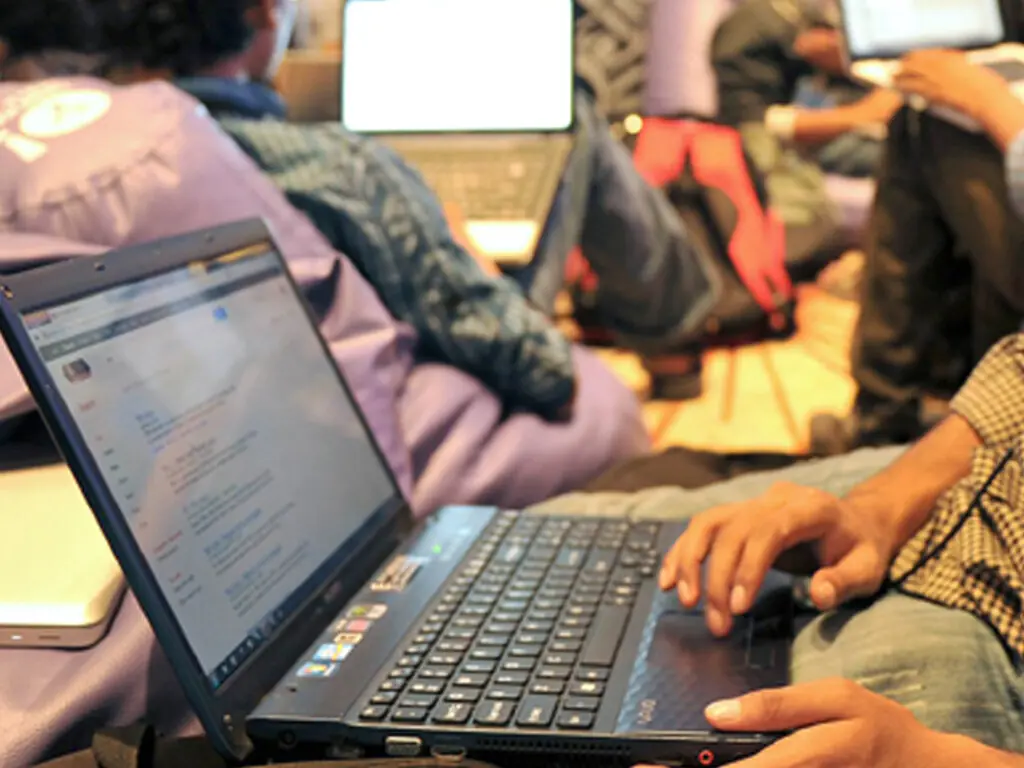
The use of laptops in schools has become an increasingly common feature of modern education. As technology continues to influence almost every aspect of daily life, educational institutions are also seeking ways to prepare students for a digital future.
Laptops can provide access to an enormous range of educational resources, but their introduction into classrooms also raises questions about cost, discipline, screen time and the changing role of teachers.
One of the greatest advantages of laptops is that they give students immediate access to information. Instead of relying exclusively on printed textbooks, students can consult digital libraries, educational websites, online lectures and interactive learning applications.
A lesson on geography, for example, can be supplemented with digital maps, while students studying science can watch demonstrations that would be difficult to conduct in an ordinary classroom.
Laptops can also make learning more flexible. Students can prepare presentations, write assignments, conduct research and collaborate with classmates using digital tools. Teachers can distribute learning materials electronically and provide feedback without relying entirely on paper.
For students who are unable to attend school temporarily, digital resources can help them remain connected with their studies. Another important benefit is the development of digital skills. Familiarity with computers is increasingly necessary in higher education and the workplace.
Mujtaba Arif (Glasgow)
Copyright Business Recorder, 2026



















Comments