


The unfulfilled promise of equality
Pakistan's National Minorities Day highlights the unfulfilled promise of equal citizenship for minorities, who still face insecurity, forced conversions, and discrimination despite Jinnah's founding vision.
- Forced conversions and lack of protection for minority women.
- Constitutional amendments and removal of hate speech.
- Government's commitment to equal citizenship and minority rights.
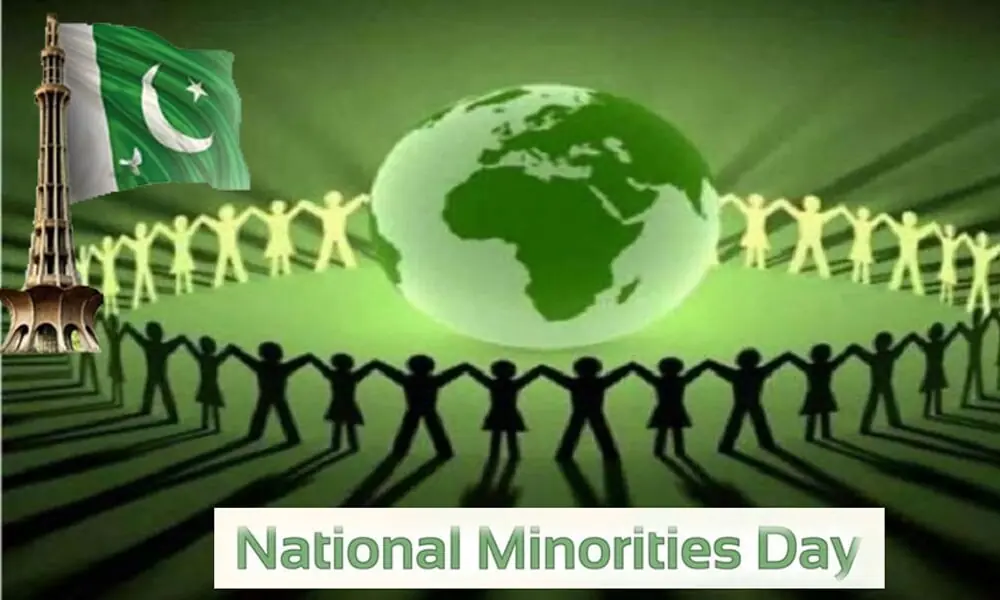
EDITORIAL: National Minorities Day is observed in Pakistan each August 11 to commemorate Quaid-e-Azam Muhammad Ali Jinnah’s historic address to the Constituent Assembly in 1947. In that speech, the Quaid articulated a vision of citizenship in which religion would not determine a citizen’s rights, status or place in the national order. He urged the new state to begin with the principle that all citizens, regardless of caste or creed, were equal citizens with equal rights, privileges and obligations. Nearly eight decades later, the observance of the day presents an uncomfortable question: how far have we actually travelled towards that promise?
The answer remains difficult to reconcile with the spirit of August 11. For many religious minorities, the most urgent concern is not symbolic recognition but security of life, faith and dignity. Reports and allegations surrounding forced conversions, particularly involving vulnerable minority communities’ girls and women, continue to generate fear and distrust. When families feel powerless to protect their daughters, when questions of consent are clouded by social and institutional pressures, and when victims struggle to obtain justice, the promise of equal citizenship becomes painfully distant from the lived reality. This year’s minority rights march at the Quaid’s mausoleum, with its 11 demands, therefore, deserves more than ceremonial attention. Its calls for protection against forced conversions, removal of hate speech and discriminatory material from textbooks, socio-economic and educational rights, implementation of the five per cent employment quota, and security, and legal protection for places of worship point to serious structural problems rather than isolated grievances.
Significantly, the organisers also called for constitutional amendments to remove the religious qualification for the offices of president and prime minister, currently restricted to Muslims. This demand need not be viewed as a challenge to Pakistan’s constitutional identity as an Islamic republic. Whether or not such an amendment is desirable is ultimately a matter for democratic constitutional debate, but the demand itself underscores the sense of political exclusion felt by sections of the minority population.
The nation cannot meaningfully honour the Founder by quoting his vision once a year while ignoring the anxieties of citizens whose communities remain vulnerable and live in a perpetual state of fear. The test of a democratic state is not the eloquence of its declarations but the safety, dignity and equality enjoyed by those most at risk. Rather than treated as a ceremonial occasion August 11 should be time for an annual audit of the state’s commitment to equal citizenship. The government must ensure that allegations of forced conversion are investigated transparently, victims receive protection and access to justice, and places of worship and minority communities are effectively safeguarded. No less important, educational curricula must reject narratives that foster prejudice rather than citizenship.
The August 11 vision laid out by the father of the nation must not become a decorative passage in Pakistan’s history. The continuing gap between that promise and the reality faced by minorities, therefore, is not something merely to be commemorated; it is something to be confronted. Until every Pakistani can practice their faith without fear and claim equal protection without pleading for it, the promise of August 11 will remain unfulfilled.
Copyright Business Recorder, 2026






















Comments