


Youth unemployment has emerged as one of the most pressing social and economic challenges facing countries around the world. Young people constitute a significant proportion of the population in many developing countries, including Pakistan, yet a large number of them struggle to find meaningful employment after completing their education.
The problem is particularly worrying because prolonged unemployment at a young age can have consequences that extend far beyond the individual, affecting families, communities and the wider economy. One of the major reasons for youth unemployment is the growing gap between education and the requirements of the labour market.
Many graduates leave universities with degrees but lack practical skills that employers consider essential. Employers increasingly seek workers who possess technical expertise, communication skills, problem-solving abilities, digital literacy and adaptability. A degree alone, therefore, does not necessarily guarantee employment in a rapidly changing economy. Skills development can play a crucial role in addressing this mismatch.
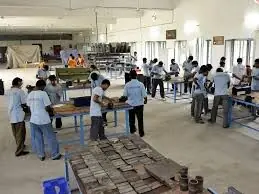
Technical and vocational education can equip young people with practical abilities that are directly relevant to the workplace. Training in areas such as information technology, software development, artificial intelligence, digital marketing, electrical work, construction, healthcare and modern agriculture can open new employment opportunities. Ultimately, tackling youth unemployment requires more than creating jobs. It requires creating employable young people who possess the knowledge, skills and confidence demanded by a changing economy.
Israr Bokhari, Badin
Copyright Business Recorder, 2026




















Comments