


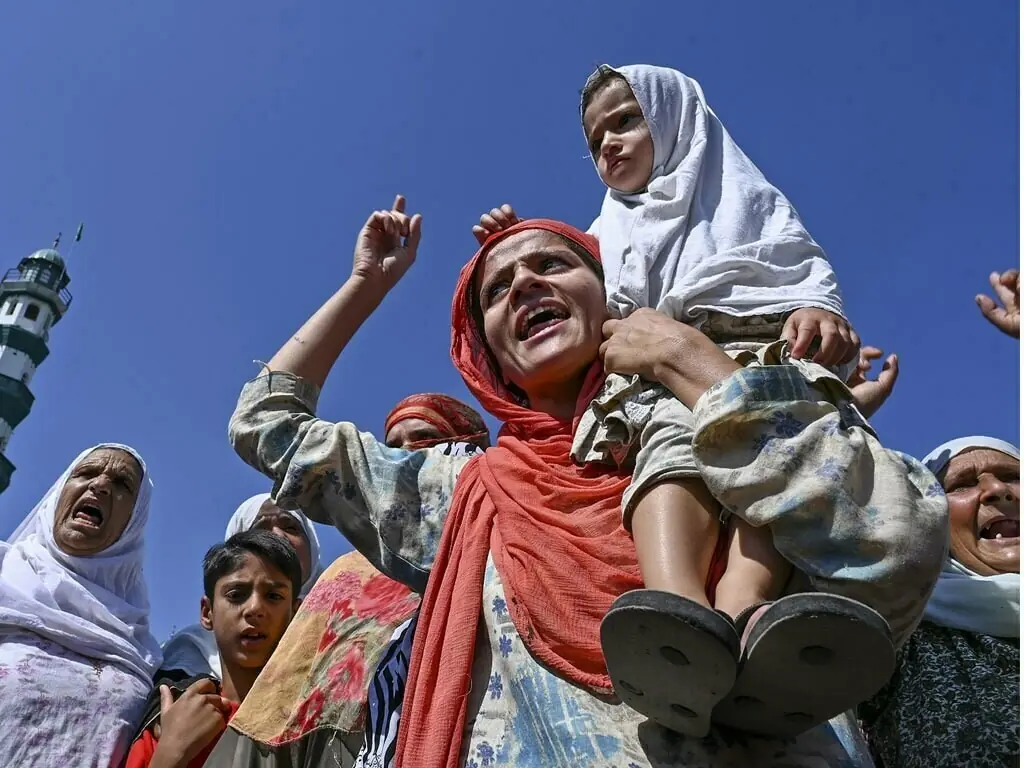
EDITORIAL: The observance of Youm-e-Istehsal Kashmir is an annual reminder that the Jammu and Kashmir dispute remains one of South Asia’s longest-running and most consequential unresolved conflicts.
Seven years have passed since India’s unilateral decision of Aug 5, 2019 to revoke the special constitutional status of state of Jammu and Kashmir and alter the administrative structure of the disputed territory — a move Pakistan has consistently maintained was incompatible with the territory’s internationally-recognised disputed status and the relevant UN Security Council resolutions.
Yet the passage of time has neither diminished the centrality of the Kashmir dispute nor eased the suffering of its people. Instead, it continues to cast a long shadow over relations between South Asia’s two nuclear-armed neighbours.
The statements issued by Pakistan’s political and military leadership on the occasion reaffirm the country’s long-standing position that the people of Jammu and Kashmir have an inalienable right to self-determination in accordance with the relevant UN Security Council resolutions. Such declarations underscore an important reality: despite repeated international calls for restraint and dialogue, there has been little progress towards a political settlement. The prolonged absence of meaningful engagement has only entrenched mistrust and left successive generations of Kashmiris to endure uncertainty and conflict.
Equally disturbing are the persistent concerns over the human rights situation in Indian Illegally Occupied Jammu and Kashmir. International human rights organisations have documented prolonged restrictions on civil liberties, arbitrary detentions, custodial torture and death, curbs on political activity, limitations on media freedom and excessive use of draconian laws. Calls by independent observers for greater transparency, accountability and unrestricted access to the territory have largely gone unanswered. Sustainable peace cannot emerge where fundamental rights remain under strain and political space continues to shrink.
The international community also bears a responsibility that extends beyond periodic expressions of concern. Strategic and economic interests should not eclipse the imperative of upholding international law and protecting human rights. The United Nations, despite the constraints imposed by geopolitical rivalries, remains the principal forum for addressing disputes of this nature. A renewed diplomatic effort aimed at encouraging dialogue, reducing tensions and creating conditions conducive to a peaceful settlement is long overdue.
The wider costs of the unresolved dispute are equally evident. South Asia remains one of the least economically integrated regions in the world despite confronting common challenges such as climate change, food insecurity, energy shortages and economic vulnerability. The persistence of hostility diverts attention and resources from these pressing priorities. Meaningful regional cooperation will remain elusive unless India demonstrates the political will to reopen channels of communication, reverse measures that have deepened alienation in the occupied territory and engage in a serious process of dialogue.
As Youm-e-Istehsal Kashmir is observed, the occasion should serve not merely as a reaffirmation of solidarity with the Kashmiri people but also as a reminder that unresolved disputes do not disappear with the passage of time. Seven years after the events of Aug 5, 2019 and nearly 79 years after Independence the Kashmir issue remains central to peace and stability in South Asia. A durable settlement can only emerge through dialogue, respect for international law and a political process that reflects the aspirations of the people of Jammu and Kashmir. Until then, the region will continue to bear the costs of a conflict that has remained unresolved for far too long.
Copyright Business Recorder, 2026



















Comments