


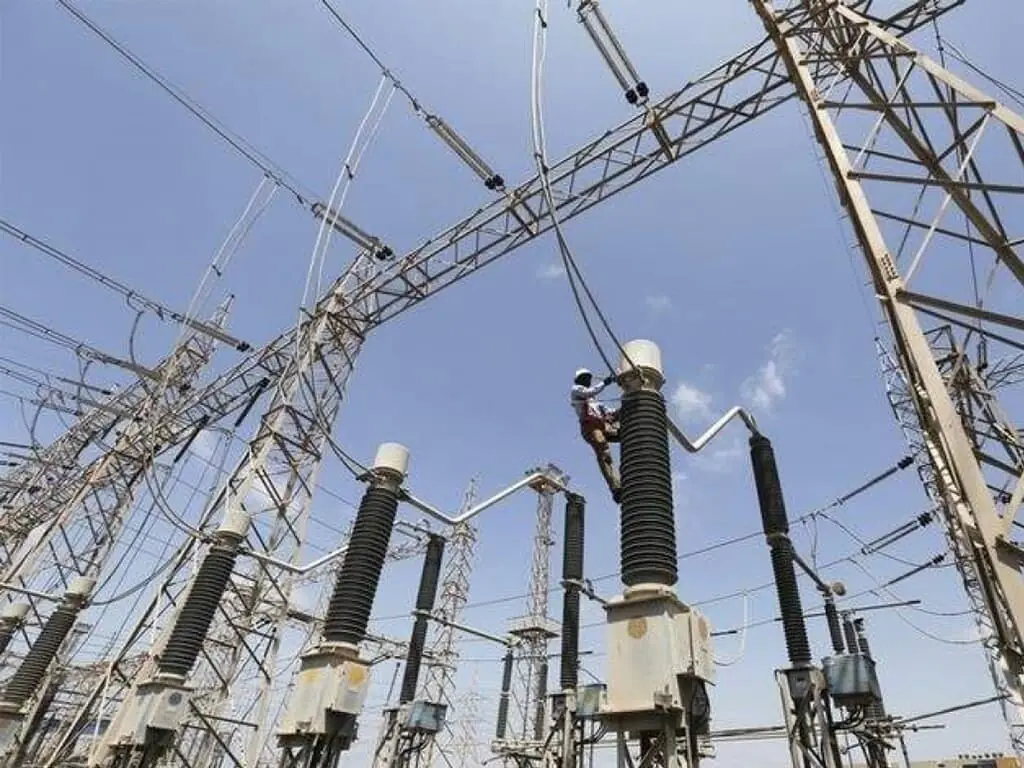
EDITORIAL: The latest debate surrounding Pakistan’s power sector offers a useful reminder that reform is seldom a linear process. Within days, the Power Division defended its reform agenda by highlighting a sharp reduction in distribution company losses over the past two years, even as it acknowledged a Rs61 billion increase in circular debt during FY26.
At the same time, Nepra, the power regulator, questioned whether the reported improvement in losses reflected genuine efficiency gains or merely the shifting of losses to high-theft areas through extended load shedding. The contrast is striking, but it need not be contradictory.
There is little doubt that meaningful progress has been made. The power sector inherited structural weaknesses that had accumulated over decades, with mounting circular debt, poor recoveries, excessive losses and an unsustainable subsidy burden. Against that backdrop, improvements in DISCO finances, tighter fiscal discipline and a significant reduction in the circular debt stock over the previous fiscal year deserve recognition. Give credit where credit is due.
Be that as it may, reforms cannot be judged solely by accounting outcomes. They must ultimately translate into a more efficient electricity system, lower financial losses, improved service quality, and, over time, more affordable electricity. It is on these metrics that difficult questions continue to arise.
Nepra’s observation that reported reductions in losses may partly reflect heavier load shedding in high-loss areas rather than genuine operational improvements deserves careful consideration. If accurate, such an approach may improve financial indicators in the short run, but it cannot substitute for investments in modern networks, improved metering, stronger enforcement against theft and better governance of distribution companies. Persistent outages merely suppress demand without addressing the underlying causes of inefficiency.
Equally concerning are the regulator’s observations regarding transmission constraints. Pakistan has invested billions of dollars in expanding generation capacity, much of it based on relatively efficient technologies. Yet the inability to fully evacuate cheaper electricity from the south continues to force reliance on more expensive generation elsewhere in the system. Consumers inevitably bear the cost through periodic fuel cost adjustments, reinforcing the perception that efficiency gains at one stage of the value chain are being offset by bottlenecks at another.
The increase in circular debt also illustrates the complexity of the challenge. The Power Division attributes the deterioration primarily to a reduction in budgeted subsidies rather than weakening operational performance. If that is indeed the principal explanation, it demonstrates how dependent the sector remains on timely fiscal support even as operational indicators improve. Financial sustainability cannot rest indefinitely on budgetary allocations, particularly in an environment of constrained public finances.
This points to a broader reality. Pakistan’s power sector reforms have entered a more demanding phase. The relatively straightforward measures—tariff rationalisation, renegotiation of power purchase agreements, improved recoveries and fiscal support—have largely been undertaken. The remaining reforms are institutionally more difficult. They involve modernising transmission infrastructure, restructuring distribution companies, strengthening governance, improving operational autonomy and creating incentives that reward efficiency rather than merely limiting losses.
The profound challenge now is one of credibility. Policymakers, regulators and sector institutions must increasingly rely on a common set of transparent performance indicators that command public confidence. Conflicting narratives about whether losses are genuinely falling or merely being relocated do little to reassure consumers already grappling with some of the highest electricity tariffs in the region. Independent verification, greater transparency and timely publication of operational data would go a long way towards narrowing this trust deficit.
It also bears repeating that reform should not be viewed as an end in itself. Its ultimate purpose is to provide consumers with reliable electricity at the lowest sustainable cost while ensuring the sector remains financially viable. If tariffs continue to rise despite improvements in sector finances, consumers will inevitably question whether the promised benefits of reform are reaching them. That perception, whether entirely fair or not, cannot be ignored.
Pakistan’s power sector has undoubtedly travelled some distance over the past two years. Yet the journey is far from complete. The next chapter of reform will be judged less by reductions in headline numbers than by whether the underlying inefficiencies that continue to burden consumers are finally addressed. Only then will the sector’s progress become both measurable and broadly credible.
Copyright Business Recorder, 2026


















Comments