


A policy for refineries at last
A long-awaited brownfield refinery policy has been approved to upgrade existing facilities for Euro V fuels and reduce furnace oil. While strategically important, its success faces significant challenges, including securing financing and commercial viability.
- Incentives for existing refinery upgrades.
- Challenges in securing project financing.
- Global shifts impacting refining profitability.
- Strategic imperative for domestic fuel production.
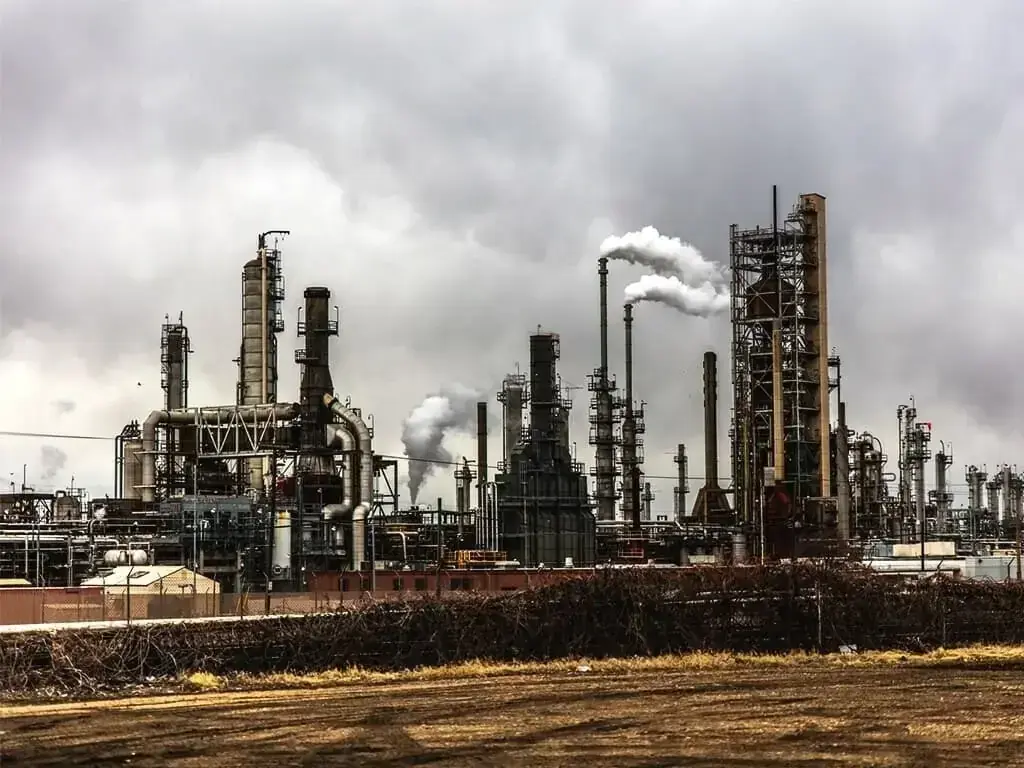
EDITORIAL: Finally, a brownfield refinery policy has been approved. It took six years and three governments to formulate one. The policy offers incentives to the five existing refineries to upgrade, modernize and/or expand.
The objective is to enable them to produce environment-friendly Euro V-specification petroleum products, and increase the share of value-added products by minimizing furnace oil (FO) production.
Critics argue that the policy has come a little too late. Upgrading existing refineries and building new ones have been under discussion among policymakers since the early 2000s. At the time, investing in the sector made perfect economic sense.
However, the global landscape has shifted significantly over the past two decades. Numerous new refineries have come online in the Middle East and other parts of the world.
Meanwhile, global demand patterns are on the cusp of a major shift due to the growing adoption of renewables in the energy mix—particularly the transition towards electric vehicles. Thus, global supply is high, while demand is not growing in tandem. Consequently, there is a glut of refining capacity in the region.
As a result, petroleum products’ margins have become razor-thin during normal times, and the dollar savings from producing more products may not be substantial after accounting for the foreign exchange spent on importing plant and machinery.
Moreover, upgrading may not be commercially viable for some local refineries, even with the incentives.
Nevertheless, it is still a welcome move. The government realized the risks associated with import dependence during the recent US-Iran war, which compelled the authorities to seriously consider increasing domestic production and building strategic petroleum reserves. Thus, upgrading refineries has become a strategic imperative.
The delay over the past few years was mainly due to the proposed sales tax exemption on imports of plant and machinery.
The IMF (International Monetary Fund) did not agree to it, while the government failed to negotiate a solution. Years were wasted in the process. The exemption has now been granted, allowing the policy to be rolled out.
Depending on each refinery’s current configuration, the upgrades will have different impacts. Nonetheless, all refineries are expected to produce more motor gasoline (petrol) and high-speed diesel (HSD), while reducing FO production. This would improve the yield from refining crude oil, which is largely imported.
Moreover, better-quality Euro V-specification fuels will be produced. This is in line with Pakistan’s commitments under international treaties and is particularly important for a country highly vulnerable to climate change, where overall air quality is deteriorating rapidly.
Needless to say, there are challenges. Apart from the sales tax exemption, the incentives include a deemed-duty contribution—2.5 percent on HSD and 10 percent on motor spirit (MS)—to be deposited by refineries into escrow accounts. These funds can be used as equity by the refineries, covering up to 27.5 percent of the total project cost. The remainder must be arranged by the refineries through equity or debt.
Most refineries may seek debt financing of around USD3.5 billion–USD4 billion, as the total project cost is estimated at USD5 billion–USD6 billion. Domestic banks do not have the appetite or dollar liquidity to finance projects of this scale. Therefore, the debt will likely have to be raised internationally.
However, foreign lenders may have concerns about the country’s multiple risks. Thus, securing financing will not be easy.
Moreover, not every refinery has shown full interest. As of now, the country’s largest refinery, which is majority-owned by the government, has not signed off on the policy due to certain concerns raised by its foreign shareholders.
Thus, following policy’s approval, the next challenge is securing funding, which may be hindered by a lack of commercial viability. A better approach could be to focus on petrochemicals, which are the need of the hour—specifically, crude-oil-to-chemicals (COTC) refineries designed primarily to produce petrochemicals rather than fuels.
The world is moving in this direction. However, Pakistan is far behind. It was never part of the research and development race.
The optimal outcome would have been to upgrade the refineries in a timely manner, but crucial time was wasted. Nonetheless, the current petroleum ministry team deserves appreciation for finally getting the policy approved. It remains to be seen how successful it will be.
Copyright Business Recorder, 2026



















Comments