


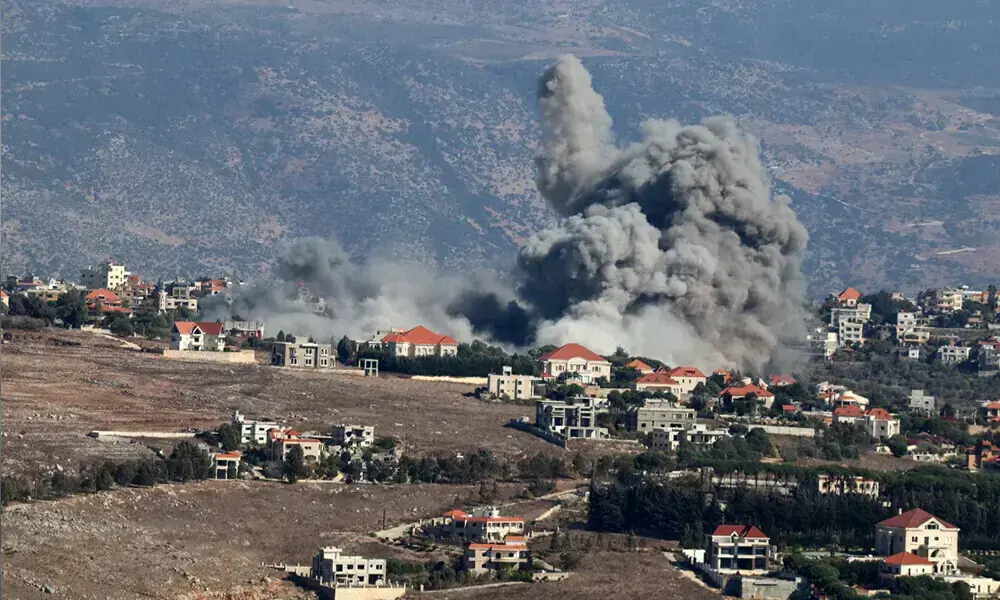
The legendary Lebanese singer Fairuz’s “Li Beirut” has long carried the sorrow, dignity and wounded beauty of a city that has endured war, loss and abandonment. It is not simply a song about Beirut. It is a memory of a country that has repeatedly been forced to turn pain into endurance. Today, Lebanon’s tragedy extends beyond the grief of its capital.
It is unfolding in the south, where Israeli military pressure, civilian displacement, the destruction of border communities and the paralysis of the Lebanese state are converging into a new and dangerous reality. Under the language of cease-fire diplomacy, Lebanon is facing the gradual normalization of occupation and suspended sovereignty. The current crisis can no longer be reduced to the familiar Israel-Hezbollah-Lebanese state triangle. The urgent question today is not simply whether Hezbollah will be disarmed or whether the Lebanese state is too weak to impose its authority. These remain important, but they are no longer sufficient. The deeper question is whether Lebanon’s sovereignty is being emptied of meaning while diplomacy makes this erosion appear technical and manageable. Lebanon is being asked to behave as a fully sovereign state precisely when its sovereignty is being eroded on the ground, negotiated abroad and contested at home. Beirut speaks through ambassadors and officials, yet many Lebanese citizens in the south experience the state as absent, hesitant or unable to protect them.
Murat Tinas, Beirut, Lebanon
Copyright Business Recorder, 2026









Comments