


Kids Who Work : Unilever Pakistan calls on businesses to invest in early career exposure
- Initiative aims to bridge the gap between classrooms and the reality of corporate life
Unilever Pakistan's "Kids Who Work" initiative offers mentorship-led workplace exposure for youth, aiming to bridge the education-corporate gap and encouraging other companies to adopt similar programs for future workforce development.
- Addressing the "career fit crisis" through early exposure.
- Gen Z's desire for purpose and valued contributions.
- The need for collective action in youth development.
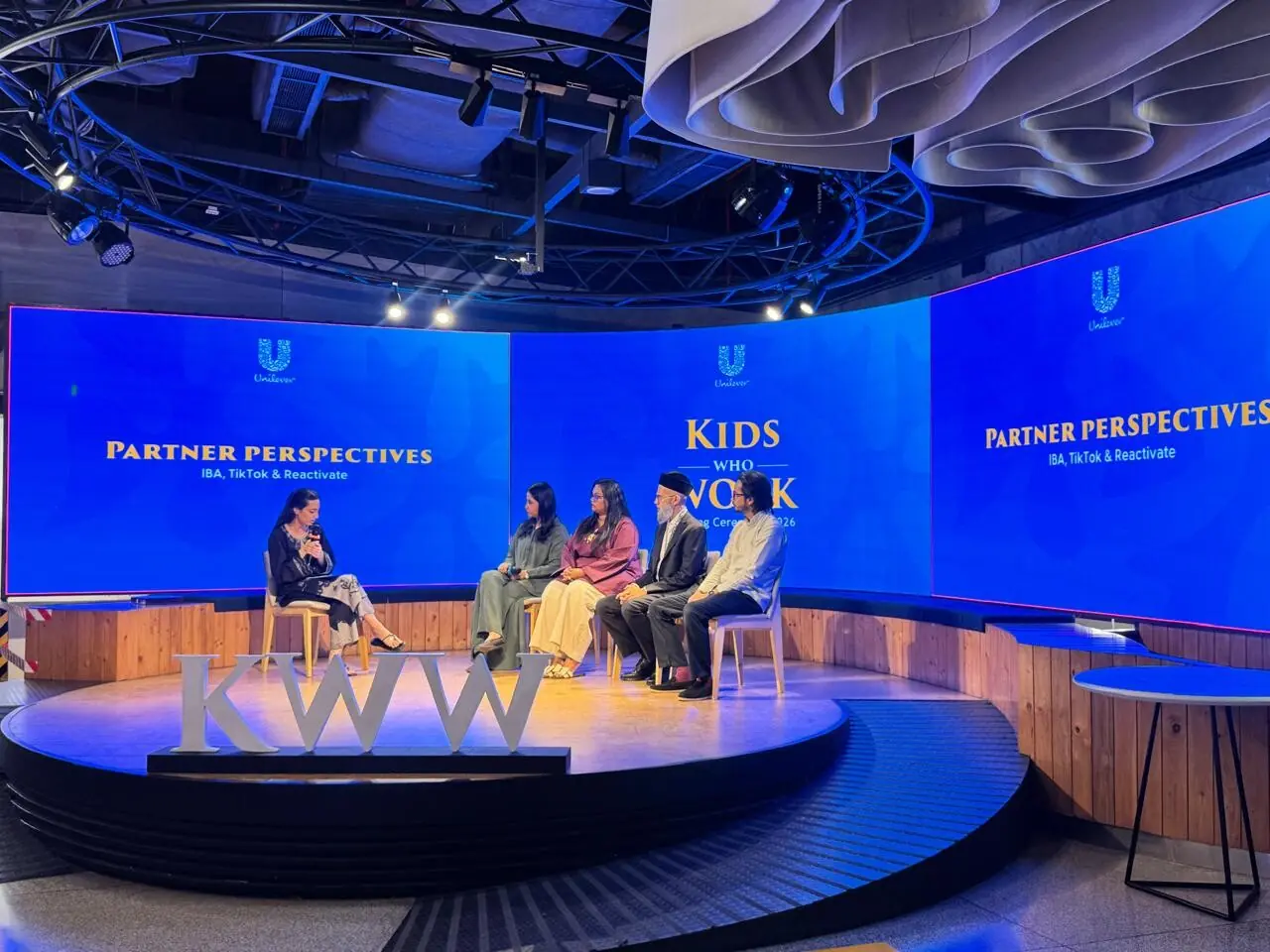

Unilever Pakistan wants its Kids Who Work (KWW) initiative to become a blueprint for corporate youth development, as the FMCG giant encourages other companies to provide similar mentorship-led workplace exposure.
This KWW programme is a youth development initiative, aimed at bridging the gap between classrooms and the reality of corporate life, providing students aged 16 to 19 with direct experience of professional environments.
“The future of work cannot be shaped by one organisation alone,” was one of the underlying messages at the programme’s closing ceremony, where industry leaders, academics, and corporate representatives discussed the changing expectations of young people and the responsibility businesses have in preparing them.
The career fit crisis
Panellists said that career choices are often driven by social expectations rather than individual ability or passion.
“Unless you have the career that’s right for you, you won’t perform because you lack the ability, or worse, you’ll have the ability but zero motivation to put in the effort,” said Azam Ali, Professor at IBA.
The panel said early exposure to different fields can help students experiment, understand their capabilities, and make better career choices.
Beyond the Gen Z stereotype
The panellists argued that today’s youth, contrary to common perception, are not avoiding work; rather, they are searching for purpose and opportunities where their contributions are valued.
“A lot of kids came up to me and said, ‘I’ve finished my task. Can I get something else to do? Can I be part of another team?” said Rohma Afzal, Assistant Manager Marketing and Outreach at IBA. “They didn’t only want to complete tasks; they wanted to be part of the bigger picture.”
Abeera Tariq, Lecturer at IBA, expressed similar views, saying that Gen Z are more willing to question authority and express their perspectives.
This shift means that organisations need to create environments where young professionals are given opportunities to contribute, said panellists.
The changing role of digital platforms
Panellists also noted that social media platforms have emerged as spaces for young people to explore industries, skills, and professional opportunities.
“Every individual is a channel in themselves,” said Usama Tabraiz, Vertical Lead at TikTok.
He explained that the digital shift allows young people to explore careers they never encountered before.
Building Pakistan’s workforce together
While KWW demonstrates Unilever’s commitment to youth development, the company believes the bigger challenge requires collective action as it seeks more companies to adopt similar mentorship-based models.
“The future workforce will not be shaped only inside classrooms or offices. It will be built through partnerships between educators, businesses, and young people themselves,” said Ali Talib, Head of Communications, Corporate Affairs and Sustainability at Unilever Pakistan.
He believed that programmes like KWW highlight a growing realisation among companies. “Talent development cannot begin when someone applies for their first job. It must begin much earlier when students are still exploring who they are and what they want to become.”

























Comments