


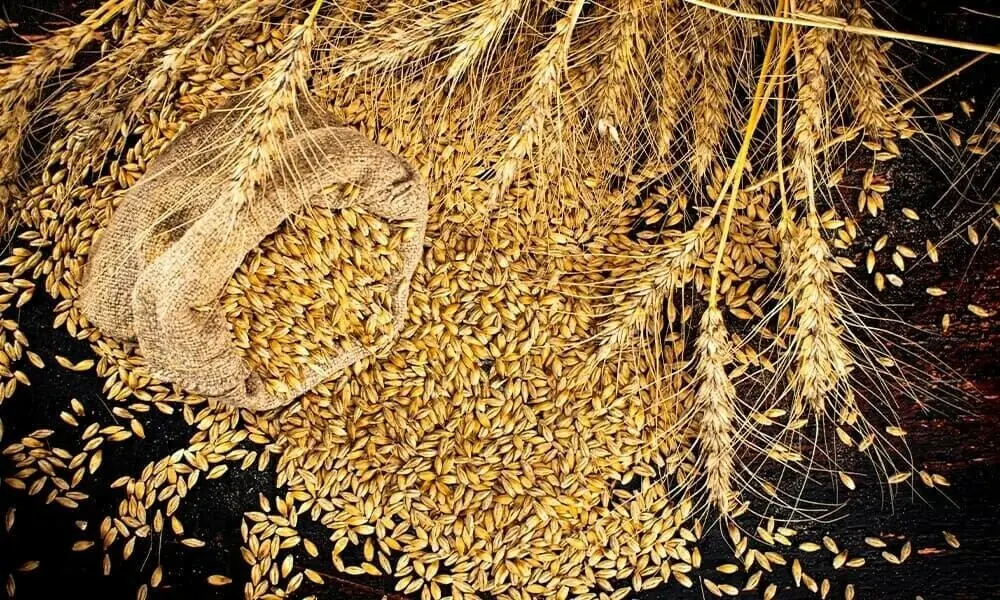

KARACHI: Wheat traders have strongly opposed importing wheat through the state-run Trading Corporation of Pakistan (TCP) and urged the federal government to allow subsidy-free imports by the private sector in line with its deregulation policy to avoid billions of rupees in losses to the national exchequer.
They have requested the federal government that the import policy should remain open, transparent, and non-discriminatory, providing equal opportunity to all eligible importers without any restrictions or cartelisation. A competitive and fair import mechanism will ensure adequate supply, healthy competition, and maximum benefit for the people of Pakistan.
Muzammil Chappal, Chairman of the Cereal Association of Pakistan (CAP) has said that past experience demonstrates how state-managed procurement via public entities has repeatedly led to severe financial loss to the national exchequer, besides involving billions of rupee financing.
“We proposed that under the Phase-I, government should grant immediate permission to import 2 million metric tons by the private sector, while Phase II would allow an additional 2 million metric tons of wheat, subject to market conditions and supply requirements,” he informed.
He pointed out that import of commodity by the federal government in the past resulted in huge fiscal losses, citing approximately 450,000 tonnes of three-year-old wheat still in the country and stocks currently held by the Pakistan Agricultural Storage & Services Corporation (PASSCO).
In contrast, the private sector imported 2.7 million tonnes of wheat during FY23-24 without using a single penny of public money or subsidies. This private intervention stabilised domestic wheat and flour and improved supply chains without imposing any financial burden on the national exchequer.
He said that CAP is already in contact with the federal government and proposed import of wheat by the private sector to avoid shortage and price hike in the domestic market.
With the import of wheat by the private sector will not put any financial impact on the government but also stabilise the wheat and wheat flour prices in domestic market. Wheat prices were Rs123 per kg before the import of commodity by the private sector in FY23 and after the import of commodity by the private sector down to Rs95 per kg in local market, Chappal mentioned.
He mentioned that two years ago the government announced the complete deregulation of wheat imports with no state intervention. Therefore, now CAP urges the government to honor its commitment and maintain a hands-off approach.
Wholesale wheat prices in Karachi currently stand around Rs120 per kg and could peak at Rs125 per kg. Chappal estimated that allowing unrestricted private imports linked to international market trends will cool local market pressure, bringing prices down to Rs95-100 per kg.
“Unrestricted commercial imports allow market forces to stabilise domestic supply dynamically while shielding the government from procurement risks, storage losses, and subsidy burdens,” he said.
He mentioned that CAP has already requested the federal government for immediately permission for the import of 4 million metric tons of wheat under an open and transparent policy.
In our assessment, he said that any delay in permitting imports may result in a more severe wheat shortage, further price escalation, and additional hardship for consumers across Pakistan.
“This is also the most appropriate time to import wheat, as the Black Sea & South America harvest season commences during July and August, offering highly competitive international prices and timely approval will enable Pakistan to benefit from lower global prices, thereby reducing the overall import cost and ultimately benefiting consumers,” chappal said.
Copyright Business Recorder, 2026


















Comments