


Saving our forests
The Senate Sub-Committee is reviewing Gilgit-Baltistan's forestry regulations, aiming to balance contractors' grievances over delays with the critical need for environmental protection against illegal logging and forest degradation.
- Contractor grievances over forestry felling delays and procedures.
- The vital ecological importance of Gilgit-Baltistan's forests.
- Strengthening enforcement against illegal logging and timber smuggling.
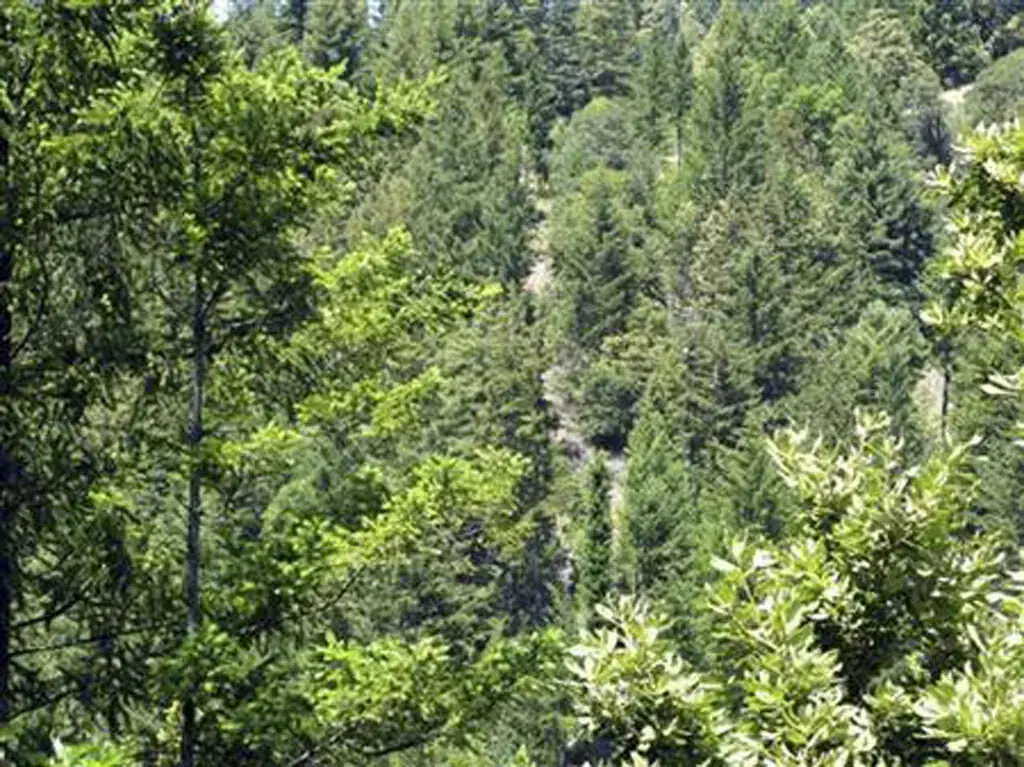
EDITORIAL: The Senate Sub-Committee’s review of forestry regulation in Gilgit-Baltistan has brought into focus a policy dilemma that demands both administrative fairness and environmental vigilance.
The concerns raised by licensed forest contractors over delays in felling operations, security challenges, cumbersome procedures and unresolved cases stretching back decades cannot simply be dismissed. If sustainable forestry is to remain economically viable legitimate operators require a regulatory framework that is transparent, predictable and efficient. The committee’s decision to examine pending contractor cases, review working plans and facilitate lawful forestry operations is therefore welcome. However, addressing these grievances must not come at the expense of weakening the safeguards that protect one of Pakistan’s scarcest natural resources. A firm commitment to combating illegal logging must remain the guiding principle of any reforms that follow.
Pakistan’s forest cover remains among the lowest in the region, while climate change has made the country’s mountain ecosystems increasingly vulnerable. Forests in Gilgit-Baltistan are far more than a source of commercial timber. They protect fragile watersheds, reduce soil erosion, stabilise mountain slopes, sustain biodiversity and play a critical role in regulating water flows into the Indus basin. Their degradation carries costs that extend well beyond local communities, increasing the risks of landslides, floods and environmental damage across the country. The fact that these forests are privately owned by local communities does not diminish the state’s responsibility to regulate their sustainable use. However, community ownership can only succeed if it is supported by scientifically prepared working plans, transparent monitoring, and strict enforcement. Commercial interests and environmental protection are not mutually exclusive, but they can only be reconciled if ecological limits remain non-negotiable.
The contractors’ complaints about administrative bottlenecks, security risks and prolonged delays deserve a prompt response. A regulatory regime that leaves disputes unresolved for decades undermines both investor confidence and public trust. Agreement-making should be more consultative and departmental procedures more efficient. Yet efficiency should never become a euphemism for relaxed oversight or escalated timber extraction.
The committee was informed that illegal loggers face penalties amounting to three times the market value of illicit timber and that dozens of vehicles used in timber smuggling remain in official custody. These measures point in the right direction, but enforcement remains the real test. Illegal logging has long thrived on weak monitoring, collusion and inconsistent implementation of the law. CCTV surveillance and other technological tools can strengthen oversight, but they cannot substitute for institutional integrity and political will.
Looking ahead, the emphasis must remain on ensuring that every tree felled is consistent with scientific management plans and that every instance of illegal logging is met with swift and certain action. Pakistan’s shrinking forests cannot withstand regulatory complacency. Improving governance, facilitating legitimate business and protecting the country’s ecological capital are complementary goals but only if environmental sustainability remains the first principle of forest policy.
Copyright Business Recorder, 2026




















Comments