


Govt seeks seminary guidance on crypto asset categories
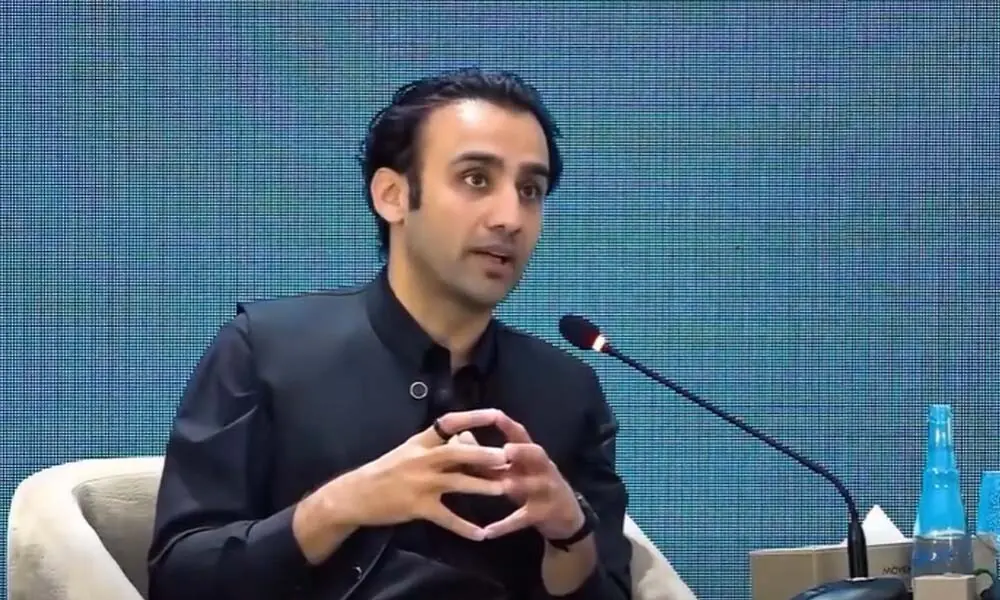

KARACHI: Pakistan’s virtual assets regulator has asked the country’s top Islamic seminary to draw a distinction between speculative cryptocurrencies and asset-backed digital tokens, its chief said on Wednesday.
Bilal bin Saqib, chairman of the Pakistan Virtual Assets Regulatory Authority (PVARA), told Reuters he had asked for the clarification after the seminary ruled last month that crypto-based purchases were not permissible under Islamic law.
The religious ruling, or fatwa, has cast doubt on the government’s rapid embrace of crypto in Pakistan, an Islamic nation of more than 240 million people that has long ranked among the world’s largest crypto markets by retail activity.
Islamabad has moved fast to formalise that demand, exploring tokenised state assets and advancing licences for crypto exchanges that are expected to be issued in the coming months.
Crypto has also fed its diplomatic push toward Washington, including a deal with an affiliate of World Liberty Financial, the main crypto business of President Donald Trump’s family, to explore using its USD1 stablecoin for cross-border payments, part of what Islamabad calls “crypto diplomacy.”
The Jamia Darul Uloom Karachi seminary, whose rulings carry wide influence among Muslims well beyond Pakistan, ruled in June that, as of now, cryptocurrency is not wealth under Islamic law, and therefore not a valid means of payment.
The seminary did not immediately respond to a request for comment.
The edict as it stands could become “a hurdle to broader, bank-led crypto adoption beyond Pakistan’s urban trading community,” said Waqas Ghani, head of research at JS Global Capital, a Pakistani brokerage and investment banking firm.
So far, however, crypto trading volumes have appeared unaffected, he said.
The fatwa was issued by a group of religious scholars at the seminary, including a leading authority in Islamic finance, Mufti Muhammad Taqi Usmani, who did not respond to a request for comment by Reuters. It was issued in response to a query about paying for books and an online course with crypto.
PVARA’s Saqib said the regulator is in discussions with the seminary to assess digital assets by category, not as a single class.
“The central question the fatwa raises is whether a digital asset constitutes recognised wealth under Shariah (Islamic law). That is precisely the right question, and it is why these instruments must be examined individually,” he said.
A blockchain-recorded sukuk, or Islamic bond, represents ownership of a real, income-generating asset, he said, while gold-backed tokens or fully reserved stablecoins carry an enforceable claim on something tangible and redeemable. Blockchain itself is “a record-keeping and verification technology, not a financial asset,” Saqib added.
Purely speculative tokens with no underlying asset are a separate matter, and “the scholars’ concerns there must be taken seriously,” he said.
“We will continue working closely with our scholars as Pakistan develops its licensing framework and advances work on stablecoins and real-world asset tokenisation,” he said.
“Pakistan has the opportunity to lead the world in Shariah-compliant digital finance, and that leadership must be built with our scholars.”


















Comments