


Encroaching on the Ravi floodplain
Lahore's relentless expansion into the Ravi river's floodplain, despite its apparent dryness, significantly increases flood risks due to monsoon rains and upstream releases, demanding urgent reassessment of urban planning.
- Increased flood risks from the Ravi river.
- Lahore's urban expansion into the Ravi's floodplain.
- The critical need for transparent urban planning.
- Enforcing environmental laws for river protection.
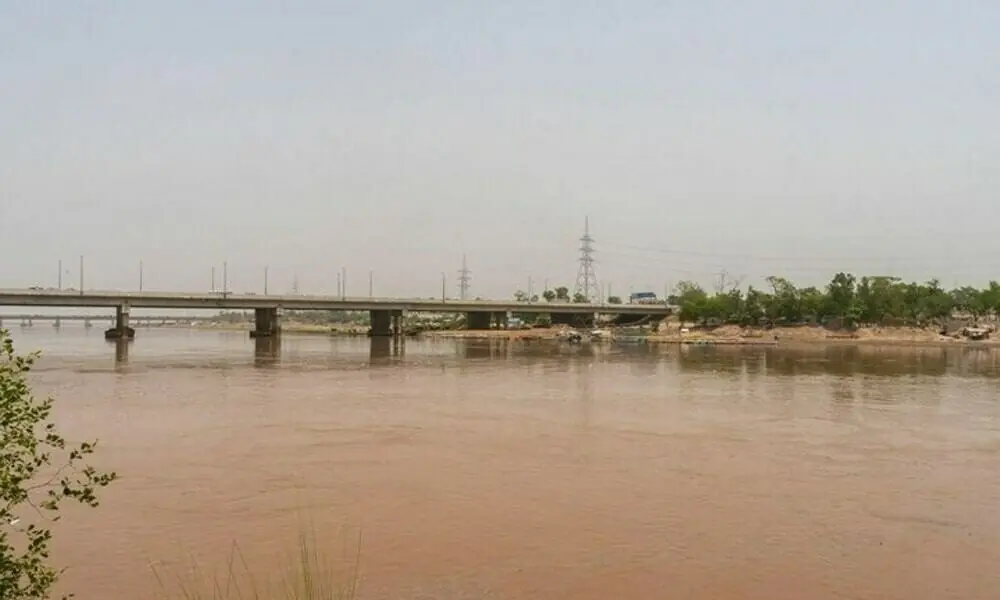
EDITORIAL: One of the greatest misconceptions surrounding the Ravi is that a river which remains largely dry for most of the year poses little danger. Under the Indus Waters Treaty, most of the Ravi’s waters were allocated to India, leaving only limited flows downstream in Pakistan except during the monsoon or periods of flood releases. Yet this apparent dryness masks a significant hazard. Intense monsoon rains, coupled with sudden upstream flood releases when India discharges excess water during periods of high rainfall, can transform the Ravi into a raging torrent within hours. The suspension of the treaty’s information-sharing mechanisms has further heightened the risk by depriving Pakistan of advance warning of fluctuations in the river’s flows.
The latest satellite imagery released by Suparco should therefore dispel any illusion that Lahore’s relentless expansion into the Ravi’s floodplain is a sign of progress. Over the past 35 years, the city has steadily encroached upon land that nature has reserved for carrying and absorbing floodwaters during extreme weather events. As climate change increases the frequency and intensity of heavy rainfall, narrowing the floodplain is not merely imprudent; it is dangerous. Last year’s flooding, which inundated at least 80 homes in a private housing society built within the floodplain, offered a stark reminder that rivers inevitably reclaim the space they need.
The Suparco findings reinforce what environmental experts have warned for years: Pakistan’s urban planning has failed to keep pace with environmental realities. Cities cannot continue expanding without regard for drainage systems, wetlands, river corridors and green spaces. The differing claims made by the Ravi Urban Development Authority (RUDA) and independent experts also underscore the need for greater transparency. If approved developments are indeed based on rigorous hydrological studies and lie outside the active floodplain, those studies should be made public for independent scientific scrutiny. Public confidence in projects of such scale can only be built through openness and evidence, not official assurances alone.
There is no contradiction between development and environmental protection. Cities across the world have successfully coexisted with rivers by enforcing strict floodplain regulations, preserving green belts, investing in modern flood-control infrastructure and integrating scientific risk assessments into urban planning. Pakistan need not reinvent the wheel; it simply needs the political will to adopt and enforce these proven principles. Equally important is the consistent application of environmental laws. No development authority, however important its mandate, should be exempt from regulations designed to protect lives, property and the environment.
The warning issued by Suparco must not be treated as just another technical report. It should prompt an immediate reassessment of urban planning along the Ravi. Encroachments into the floodplain must be halted, zoning laws strictly enforced, environmental impact assessments rigorously applied, and degraded river corridors restored wherever possible. The Ravi’s floodplain is not surplus real estate awaiting commercial exploitation; it is a vital natural defence against flooding. Responsible governance demands that the river be respected lest nature deliver a far costlier reminder of its power.
Copyright Business Recorder, 2026




















Comments