


Fuel markets flash supply crunch despite calmer oil prices
- MidEast disruptions force buyers to tap stocks, reroute cargoes
Despite subdued crude oil prices, gasoline and diesel markets signal a severe fuel supply crunch, driven by global refining capacity shortages, Russia's export ban, and low inventories, prolonging inflationary pressures.
- Global refining capacity shortages.
- Russia's recent diesel export ban.
- Record-high refinery profit margins.
- Low global fuel inventory levels.

LONDON: Gasoline and diesel markets are signalling a fuel supply crunch despite relatively subdued crude oil prices, suggesting the energy shock from the Iran war may be far from over.
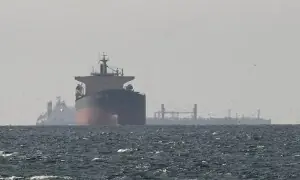
Energy prices surged after the US-Israeli war on Iran led to the effective closure of the Strait of Hormuz, which carried about a fifth of global oil supplies before the conflict.
But while crude prices fell sharply after last month’s ceasefire deal — and have risen relatively modestly on bursts of renewed fighting since — fuel prices have remained elevated.
That suggests the inflationary pressures weighing on industry and consumers, and worrying central banks, is set to continue, even if flows through the Strait of Hormuz have improved.
Pressure on fuel markets intensified this week after Russia banned diesel exports as Ukrainian attacks battered its refining infrastructure and raised the risk of domestic shortages.
The gap between fuel and crude prices — a proxy for refinery profit margins — has widened sharply even as refiners in Europe and the US struggle to absorb a glut of crude oil from emergency stock releases and from the Middle East during the US-Iran ceasefire.
“There’s just not enough refining capacity left globally to deal with all this,” Sparta Commodities analyst Neil Crosby said, adding high fuel prices could soon curb consumer demand.
European diesel refining margins hit a record high of over $60 a barrel on Wednesday, after Russia announced the diesel export ban. European gasoline traded at a premium of about $41 a barrel to crude this week, its highest since summer 2022 during the peak disruption from the Russia-Ukraine war.
In the US, the prompt Nymex 3-2-1 crack spread contract, a proxy for refinery profitability, hit a record high of $64.58 a barrel on July 8.
Russian diesel exports already down
Russian diesel and gasoil exports were already declining before the latest Ukrainian attacks, falling to a record low of about 400,000 barrels per day, according to Kpler data, and dropping to less than half that level so far in July.
Asian diesel margins have risen to around a one-month high as traders anticipate tighter supplies in Western markets, even though Asia remains relatively well supplied.
Natalia Losada of Energy Aspects said Russia’s export ban would force major buyers including Brazil, Turkey and countries in North and West Africa to seek replacement cargoes from the US, the Middle East and India, potentially leaving Europe competing for fewer available supplies.
A diesel supply crunch would come at an awkward time for farmers across the Northern Hemisphere, who face higher fuel bills ahead of the autumn harvest season.
Low inventory levels
Gasoline profit margins have also climbed to fresh highs after showing signs of tightness heading into the Northern Hemisphere’s peak summer driving season.
US gasoline stocks were at their lowest for early July since 2021 in the week to July 3, according to Energy Information Administration data.
In Asia, low inventories have helped support prices despite expectations of higher Chinese fuel exports.
Overall OECD oil product inventories remain below their 2015-2019 average despite recovering from spring lows, highlighting limited buffers in global fuel markets and leaving them vulnerable to further supply disruptions.


















Comments