


US approves sale of Tomahawk missiles to Germany: Merz
- The missiles are mainly launched from submarines and warships and can travel more than 1,600 kilometres (1,000 miles)
Germany will acquire long-range US Tomahawk missiles to strengthen its defense and NATO commitments, while also collaborating with European allies to develop indigenous long-range strike capabilities.
- US approval for Tomahawk missile sales to Germany.
- Germany's strategic defense needs and NATO commitments.
- Joint European development of long-range strike capabilities.
- The role of Tomahawks in deterring Russia.

BERLIN: The United States has approved the sale of long-range Tomahawk cruise missiles to Germany, Chancellor Friedrich Merz said Thursday, despite previous doubts over a planned deployment.
“On the sidelines of the NATO meeting in Ankara, we agreed with the American government that American Tomahawk missiles will be purchased by us and stationed in Germany,” Merz told MPs in a statement to parliament.
The move will “close an important strategic gap in our defences”, he said.
“At the same time we will work on developing our own European systems and stationing them in Europe.”
Merz did not say when he expected the Tomahawks to be delivered.
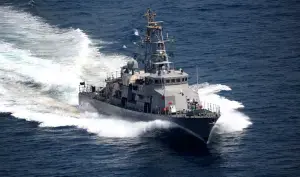
The missiles are mainly launched from submarines and warships and can travel more than 1,600 kilometres (1,000 miles).
“The USA possesses key capabilities that we in Europe cannot do without,” German Defence Minister Boris Pistorius said.
Pistorius said that Germany was committed to building up Europe’s defence industry, but buying Tomahawk missiles from Washington is currently “the only way” to deliver on Germany’s NATO commitments.
“This applies particularly to the offensive capabilities needed for deterrence – and for responding to an attack on NATO territory, which we aim to prevent,” Pistorius said.
He added that the deal was “a strong sign of transatlantic friendship and trusting cooperation”.
Berlin views the deployment of long-range cruise missiles – such as the US-made Tomahawk – as a key part of its deterrence strategy against Russia.
Moscow has deployed Iskander cruise missiles to the Kaliningrad exclave, which could strike targets in European NATO countries.
European spending
A German government source said the defence ministers for both countries signed a letter of intent for the Tomahawk missile deal on Tuesday after previous negotiations between Merz and US President Donald Trump and senior security officials from both countries.
In the letter, the United States committed to granting formal approval for the sale of Tomahawk missiles and ground-based Typhoon launchers by August, although the number of missiles acquired would remain classified.
On Wednesday, Britain announced that a dozen European NATO allies – including Germany – would jointly spend about $50 billion over the next decade to develop new long-range precision strike weapons.
The German government source said that Berlin plans to contribute roughly half of the cost of the project.
Pistorius said the group would “develop long-range cruise missiles and hypersonic glide vehicles, and procure off-the-shelf long-range drones”.
The announcement came after months of uncertainty over whether the US would station the missiles in Germany, which had been promised by Trump’s predecessor, former US president Joe Biden.
In May, Merz suggested that a planned deployment of Tomahawk missiles was being called off.
At the time, Merz cited depleted arsenals because of the wars in Iran and Ukraine as the reason.
It also followed a spat between Merz and Trump over the war in Iran.

















Comments