


Wall St dips as US-Iran tensions weigh on sentiment
- S&P 500 shed 19.85 points to 7,479.82 while Nasdaq Composite lost 141.90 points to 26,073.29
Wall Street indexes declined amid U.S.-Iran tensions impacting Middle East peace talks and global energy, coupled with investor worries over potential Federal Reserve interest rate hikes.
- U.S.-Iran tensions and their impact on global markets.
- Federal Reserve's interest rate outlook and communication changes.
- Major company stock movements and economic indicators.
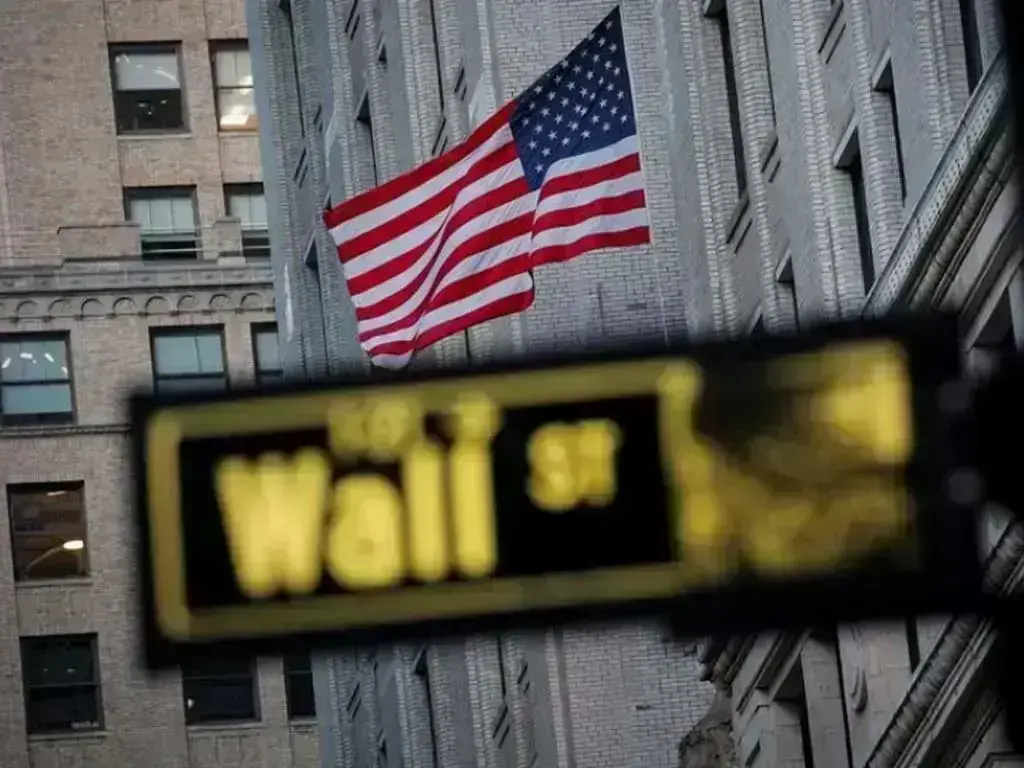
Wall Street’s main indexes fell on Wednesday as unease surrounding U.S.-Iran tensions cast a shadow on Middle East peace talks, setting a cautious tone for the second half of the year.
Tehran said it would not meet with top U.S. envoys who flew to the region following an outbreak of hostilities. Although a source with direct knowledge of the talks as well as an Iranian official said the U.S. and Iran held technical talks in Doha, contrasting rhetoric suggested a breakthrough may prove to be elusive.
Repeated false dawns have made the conflict difficult to track, leading some investors to focus instead on the economy’s underlying pillars. The declines, however, indicated that the Middle East war was difficult to ignore, especially given the impact the region has on global energy markets.
At 10:01 a.m. ET, the Dow Jones Industrial Average fell 65.31 points, or 0.11%, to 52,262.87, the S&P 500 shed 19.85 points, or 0.26%, to 7,479.82, and the Nasdaq Composite lost 141.90 points, or 0.54%, to 26,073.29.
In the second quarter of 2026, the S&P 500 and the Nasdaq Composite registered their best quarterly performances since 2020, while the Dow marked its best showing since 2022.
“I don’t get the sense that there’s a great deal of euphoria out there at the moment. The mood is sanguine, but not complacent,” said Benjamin Jones, global head of research at Invesco.
Investors are worried the U.S. Federal Reserve might need to hike interest rates and keep them elevated to control inflation.
Traders expect the central bank to raise borrowing costs at least once by the end of the year, according to data compiled by LSEG.
The heavyweight information technology index fell 1.4%, leading losses on the benchmark index.
Meta Platforms’ shares jumped 8.4% after a report said the Facebook parent is building a cloud business to sell excess AI computing capacity. The broader S&P 500 communication services index was up 2.3%.
Interest-rate uncertainty is also high because Kevin Warsh, who took over as Federal Reserve chair in May, has launched a review that could reshape the way the central bank communicates with the public. In his first policy meeting as chair, he built consensus around a policy statement that jettisoned any forward guidance on the central bank’s near-term actions.
Warsh reiterated this message when he spoke at a forum in Portugal, joined by other central bank heads.
Separately, U.S. manufacturing activity slowed in June after surging in the prior month, data from the Institute for Supply Management showed.
Markets will now look for clues on the health of the labor market on Thursday, when the nonfarm payrolls report for June is due to be released.
Other movers included Shutterstock, which plunged nearly 31% after calling off its planned merger with Getty Images.
Kroger fell 1% after the grocer announced it would buy regional supermarket chain Giant Eagle in a $1.65 billion deal.
Advancing issues outnumbered decliners by a 1.2-to-1 ratio
on the NYSE and by a 1.35-to-1 ratio on the Nasdaq.
Neither the S&P 500 nor the Nasdaq Composite posted any new 52-week highs or lows.


















Comments