


Quitting smoking entirely best option for protecting health: experts
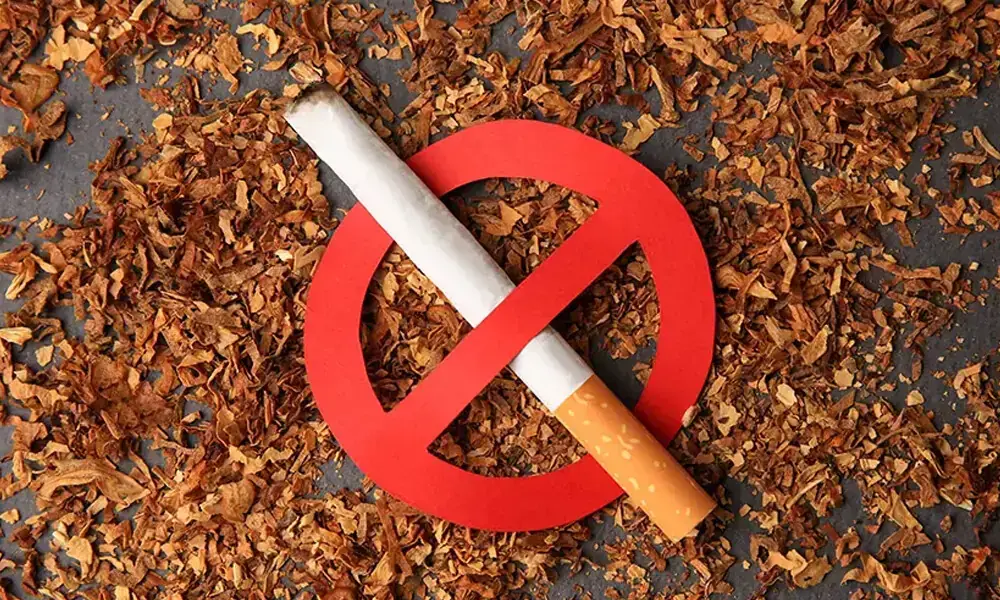

KARACHI: Health experts are clear and consistent: smoking is harmful, and quitting entirely remains the best option for protecting health.
They said stopping tobacco and nicotine use altogether is the most effective way to reduce the risk of serious disease. However, for those who struggle to quit, it is equally important that public conversations are grounded in accurate scientific understanding.
According to Dr Prof Yousuf Kamal Mirza, a family medicine specialist, “The biggest health risk from tobacco comes from combustion, not nicotine itself. Recognising this distinction allows policymakers to focus on what truly drives disease, while exploring better, less harmful pathways for those who cannot quit immediately.”
One of the most common misconceptions is that nicotine is the primary cause of smoking-related disease. In reality, nicotine plays a different role. It is the substance responsible for addiction, which is why many smokers find it difficult to quit. However, addiction and disease causation are not the same.
Cigarettes are particularly harmful because they involve the burning of tobacco. When a cigarette is lit, combustion produces smoke that contains thousands of chemical compounds, many of them toxic and formed through the burning process itself. When this smoke is inhaled, it enters the lungs, passes into the bloodstream and can affect nearly every organ in the body.
Over time, exposure to these toxic substances significantly increases the risk of serious conditions, including lung cancer, cardiovascular disease and chronic respiratory illness.
That distinction can also make public discussion more accurate, whether the subject is tobacco control, smoking prevention or health policy.
At the same time, it is important to recognize that not all smokers are able to quit immediately. While cessation should always remain the ultimate goal, those who continue to smoke deserve access to clear, evidence-based information.
A better understanding of combustion and its role in causing harm can help these individuals make more informed decisions as they navigate their options. This does not undermine efforts to quit but instead complement them by supporting a more realistic and informed pathway towards reducing risk.
At its core, Dr Mirza’s message is straightforward: if people want to understand smoking-related disease, they need to understand the difference between nicotine and combustion. This distinction can help shape more accurate health communication, strengthen policy discussions and ultimately support better health outcomes.
Copyright Business Recorder, 2026





















Comments