


Sindh agriculture output grows over 14 years, but sustainability concerns emerge
Pakistan's agricultural growth, driven by increased groundwater use, is unsustainable due to surface water scarcity, posing a significant threat to future food security for its 250 million people.
- Increasing reliance on groundwater for irrigation.
- Growth in crop cultivation, livestock, and farm machinery.
- Policymaker strategies for sustainable food security.
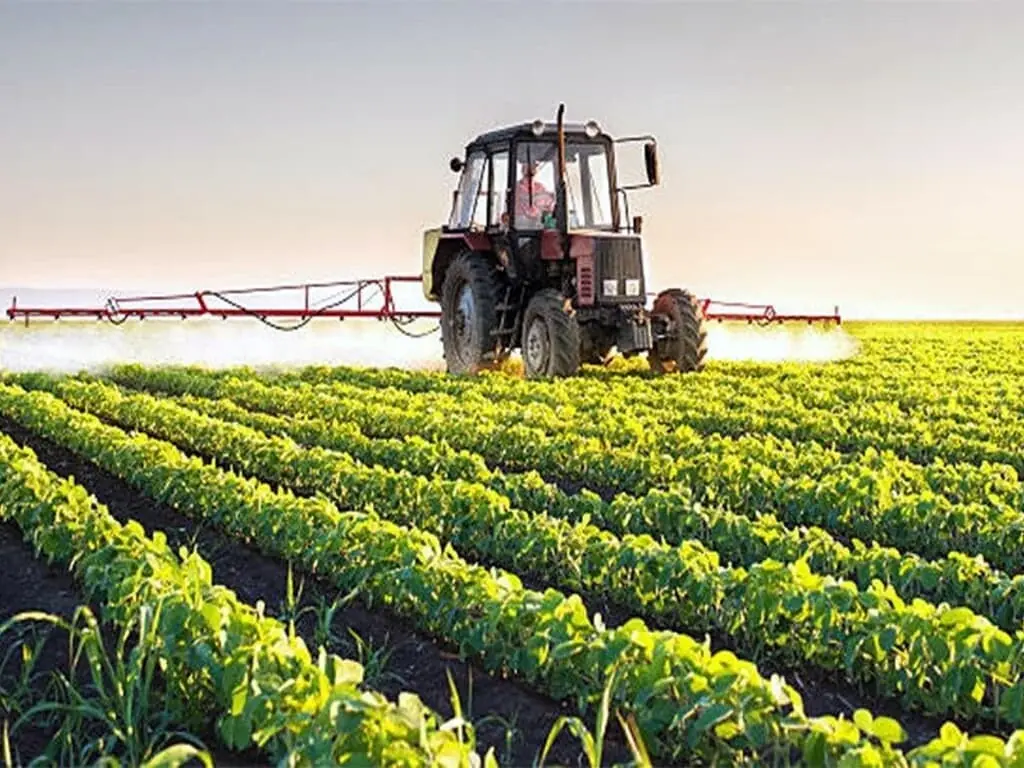
The Pakistan Bureau of Statistics (PBS) reported on Thursday the provincial agronomy – crops, livestock, and machinery – had expanded over the past 14 years, but its chief warned the growth appeared unsustainable and food security for future generations was at risk amid lack of surface water for irrigation.
“There is an elephant in the room – the [surface] water scarcity [for irrigation],” PBS chief statistician Dr Naeem Uz Zafar said at the launch of 7th Agriculture Census-2024 Sindh Report. This was the first integrated digital count as well.
The major crops and fodder outputs were on the rise via increased dependence on the extracted groundwater in Sindh. The number of solar tube wells had surged by thousands, causing a drop in underground water level, he said.
“On the one hand, the agriculture output, crop area and livestock headcount are on the rise and make people happy. Water makes all such outputs sustainable.
“And when we take higher production of crops and livestock through increased utilisation of the extracted groundwater through solarised tube wells, we should think whether we should celebrate it or be worried because the matter of food production and food security is not for one or two years. This is 250 million people country. This is the matter of meeting their [future generations’] food demand.”
PBS chief emphasised that data should draw the attention of policymakers, academia, development partners and media which could come up with better policies and identify sectors with responsibility for sustainable production and sustainable consumption.
“The surface water scarcity is a wake-up call for us.”
Dependence on groundwater, according to Zafar, is comparatively low in Sindh as it lacks fresh water.
“In Punjab, the situation on water is opposite to Sindh. The dependence on ground sweet water is prominently higher in the province of Punjab.”
He said PBS had compiled the Sindh agriculture data for the betterment of the provincial agronomy. The data could be utilised to plan financing for farmers and for food security, PBS chief added.
Meanwhile, delivering a presentation on the results of the Sindh census, PBS Joint Agricultural Census Commissioner Naveed Iqbal said the area for crops cultivation had increased to 8.108 million acres in 2024 from 7.643 million acres in 2010 – showing an increase of 6.083% in 14 years.
“Accordingly, the area for wheat cultivation has increased 13% to 5.3 million acres in 2024 from 4.7 million acres in 2010. Area for maize doubled to 0.08 acres from 0.04 acres. Rice remained stagnant at 2.8 million acres.
“On the other hand, area for cotton production has declined 28% to 1.8 million acres compared to 2.5 million acres. Sugarcane reduced 17% to 0.5 million acres. Cropped area for fodders decreased 20% to 0.4 million acres,” he added.
As per the presentation, the number of farms surged to 1.80 million from 1.12 million, leading towards cut in average farm size to 5 acres compared to 8.8 acres. Moreover, the livestock population surged to 50 million headcount in Sindh in 2024 compared to 32 million in 2006 – growing at 3.23%. This includes 11.21 million cattle, 13.46 million buffaloes, 4.74 million sheep, 19.01 million goats, 0.37 million camels and the headcount of asses (donkeys) stood at 1.08 million.
The number of tractors, which serve as a key indicator of agri-machinery, increased considerably to 84,985 units in 2024 from 36,245 units in 2004, the census results showed.





























Comments